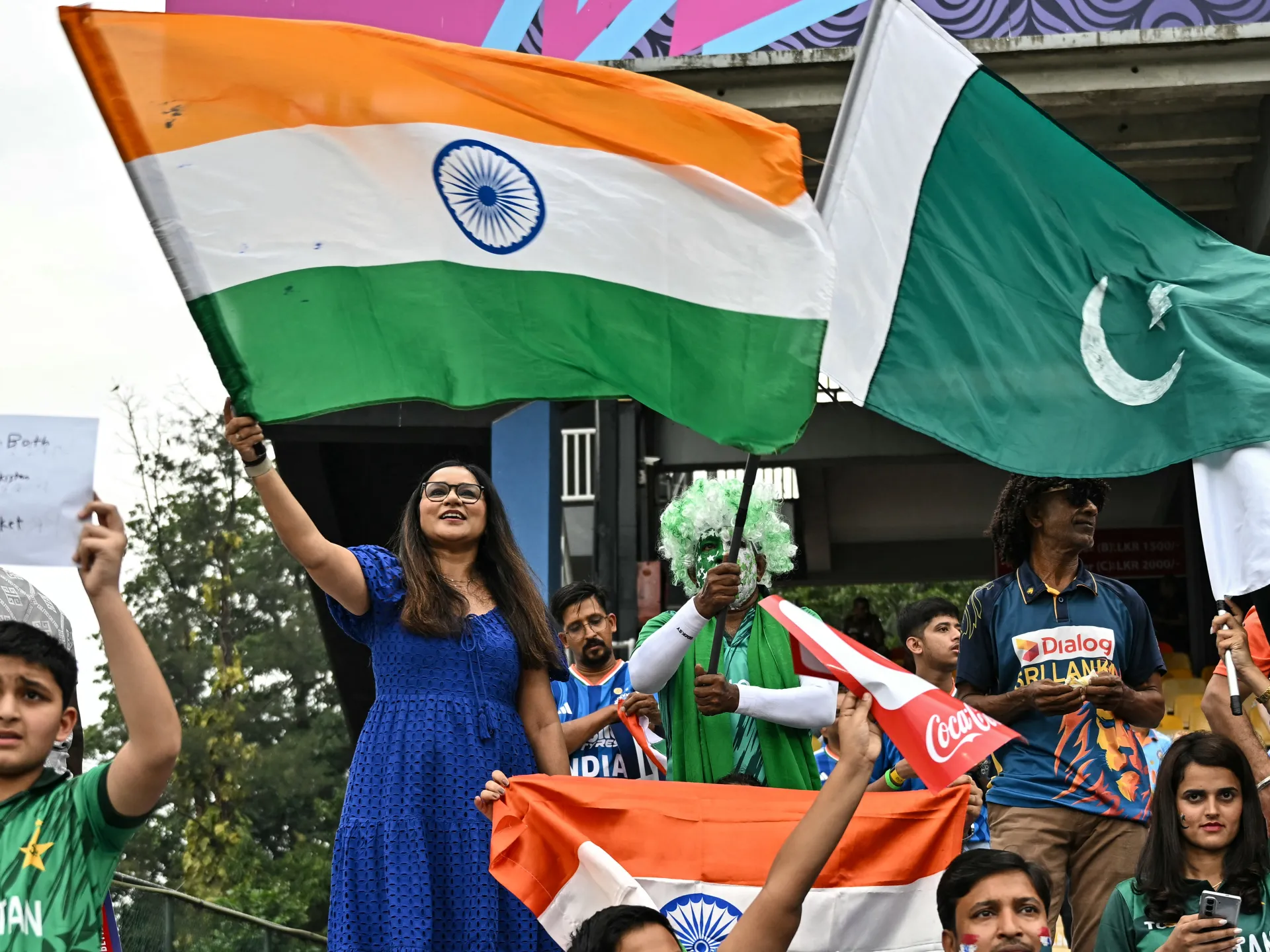
Regional de-escalation raises fears of intensified pressure on Gaza as disarmament deadlock persists
While a truce technically exists, a stalemate over Hamas weapons and future governance threatens to reignite conflict as Israel considers low-level pressure tactics
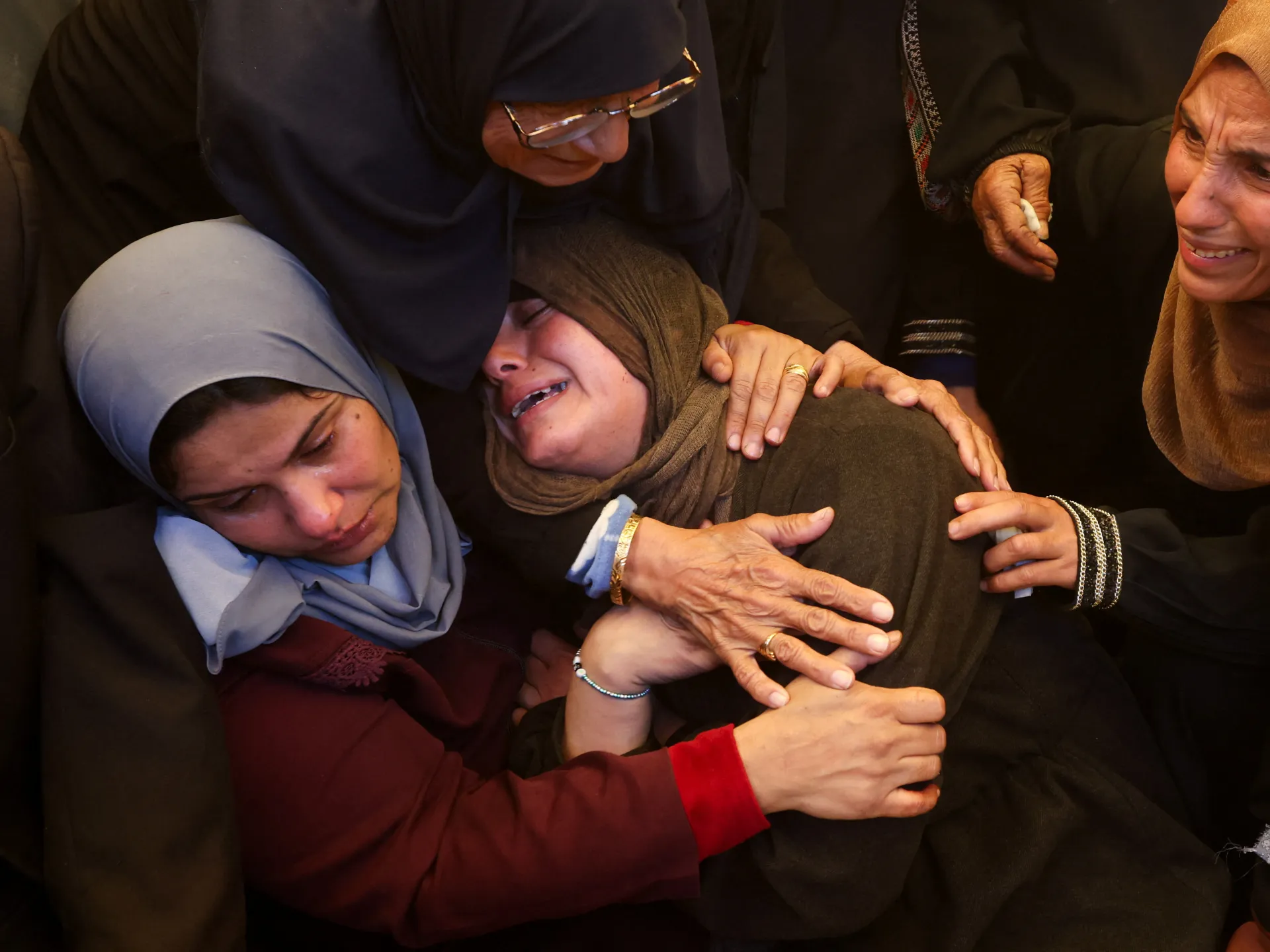
Following fragile ceasefires between the United States and Iran, and between Israel and Lebanon, regional analysts warn that military focus may shift to Gaza. While a truce exists, a deadlock over Hamas disarmament and future governance threatens to reignite conflict. Experts suggest Israel might intensify low-level pressure or resume assaults as tensions ease elsewhere, though full-scale war remains constrained by military exhaustion and US diplomatic efforts to prevent a broader regional conflagration.
US President Donald Trump recently announced that Israel and Lebanon have agreed to extend their ceasefire by three weeks, with talks held at the White House aiming for a long-term deal involving the disarmament of Hezbollah. Despite the extension, near-daily violations of the truce continue across southern Lebanon, where Israeli forces have established a "Yellow Line" demarcating occupied territory. Since the latest escalation on March 2, more than 2,500 people have been killed in Lebanon and over a million displaced.
Hamas spokesman Hazem Qassem reported that Israeli attacks on Gaza have not ceased, averaging five killings a day since the start of the Gaza ceasefire, while less than a third of agreed aid enters the enclave. Analysts indicate that the relative calm on other fronts increases Gaza's strategic weight, potentially leading to intensified low-intensity political and security pressures rather than an immediate return to full-scale war.
The current situation in Gaza is defined by a stalemate over the second phase of the US-backed ceasefire, which includes the formation of a national committee to govern Gaza and talks on the future of weapons inside the enclave. Israel maintains that its withdrawal depends on Hamas's disarmament, whereas Hamas insists that discussions regarding weapons must follow a full Israeli withdrawal, the opening of border crossings, and Gaza's reconstruction.
Political analyst Ahed Farwana notes that the deadlock coincides with an election year in Israel, potentially pushing Prime Minister Benjamin Netanyahu to prolong the first phase of the ceasefire to avoid advancing second-phase obligations. Researcher Wissam Afifa highlights that the absence of other regional military fronts makes Gaza more exposed to pressure, as reduced tensions elsewhere free Israeli decision-making space.
The US approach appears focused on preventing a major explosion and buying time through interim arrangements, though linking political progress to Hamas's weapons complicates this strategy. Experts suggest a prolonged negotiating stalemate with attempts to launch a gradual track, rather than a quick breakthrough, as the core deadlock remains deferred until the balance of pressure changes.