Chernobyl exclusion zone faces ongoing security challenges on disaster anniversary
Analysis attributes the 1986 tragedy to the Soviet Union's hierarchical decision-making structures, while recent concerns highlight potential compromises to the New Safe Confinement
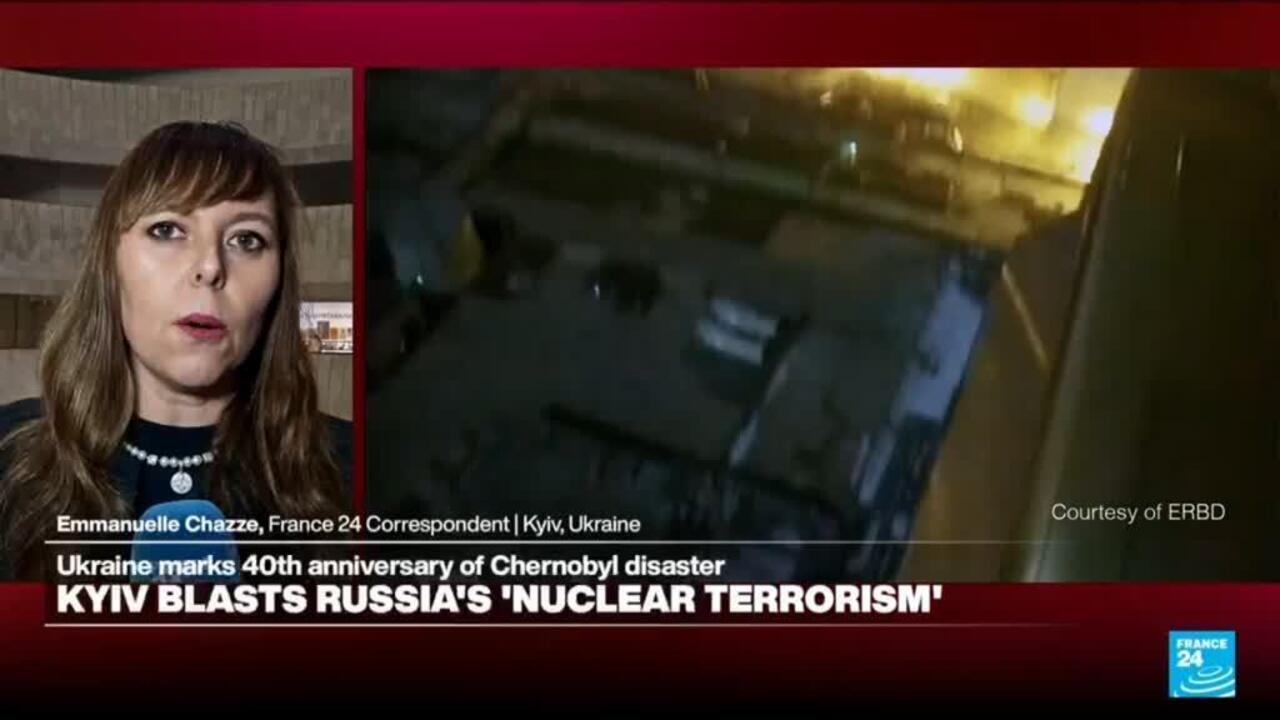
Linxi News understands that the forty-year anniversary of the Chernobyl nuclear disaster has prompted renewed scrutiny of the exclusion zone's operational status. Reporting live from Ukraine on 26 April 2026, France 24 correspondent Emmanuelle Chaze emphasised that the area continues to function as a designated zone requiring strict sheltering protocols.
The broadcast highlighted historical assessments suggesting that the catastrophe was driven significantly by the Soviet Union's top-down culture. This perspective indicates that a rigid, hierarchical approach to decision-making prevented the necessary flexibility and transparency required to manage the complex facility safely during the crisis.
Beyond historical analysis, the report raises serious policy questions regarding the current physical security of the site. There are indications that damage to the New Safe Confinement has reportedly compromised its primary confinement capability, necessitating a closer examination of the infrastructure's integrity.
The geopolitical context of the region has also altered the landscape surrounding the disaster site. Prior to the full-scale Russian invasion of Ukraine in February 2022, tourists were permitted to visit the exclusion zone, including the Ferris wheel located in the centre of Pripyat, which never officially opened to the public.
Following the invasion, the security environment has shifted dramatically. The exclusion zone now faces what are described as new threats, marking a stark contrast to the period when public access was permitted. These developments underscore the evolving nature of security concerns in the region.
France 24's coverage serves as a reminder that the legacy of the disaster extends beyond its historical origins. The ongoing requirement for sheltering and the reported structural concerns suggest that the site remains a critical focus for international security and governance policy.