Ceasefire violations persist in Gaza as Israeli forces expand control and kill four Palestinians
The Palestinian Ministry of Health reports at least 800 deaths since the ceasefire began, even as the 'Yellow Line' partitions the enclave and daily truck numbers fall far short of international promises.
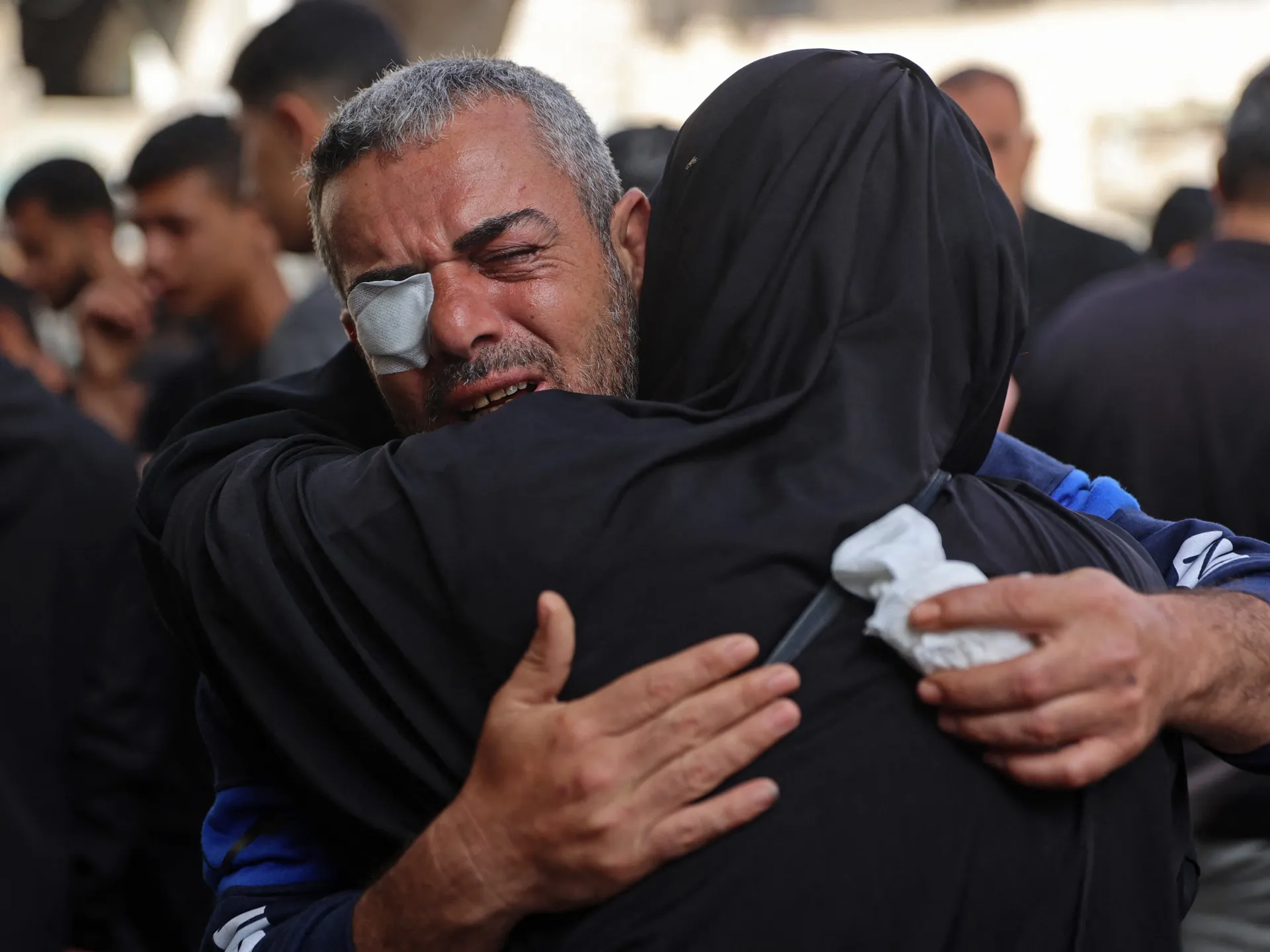
Israeli forces killed at least four Palestinians in the Gaza Strip on 26 April 2026, breaching a ceasefire agreement that was reached in October 2025. The incidents occurred across several locations, including an air strike near the central village of al-Mughraq and gunfire and shelling near Gaza City. A separate incident involved a quadcopter drone attack near the al-Kuwait roundabout, which resulted in three deaths, while a 40-year-old woman was shot dead in Khan Younis in southern Gaza.
These killings mark a continuation of operational activity despite the declared truce. Al Jazeera's Hind Khoudary, reporting from Gaza City, described a landscape of daily violations characterised by constant drone activity and the physical expansion of markers delineating areas under Israeli military control. The reporter noted that these breaches are not isolated events but part of a sustained pattern of air strikes and ground operations affecting civilians in the enclave.
Concurrent with these lethal incidents, Israeli troops are advancing the so-called 'Yellow Line', a partitioning mechanism that consolidates military control over the eastern 60 per cent of the Gaza Strip. This expansion restricts the movement of displaced Palestinians, who remain crowded into the remaining western zones. Khoudary reported that crossing these yellow markers is met with lethal force, effectively limiting freedom of movement and increasing the risk of injury or death for those attempting to traverse the partitioned territory.
Humanitarian conditions remain critical as the blockade on aid continues to restrict the flow of essential supplies. Official reports indicate that only between 150 and 190 aid trucks are entering the Strip daily, a figure that stands in stark contrast to the promised allocation of 600 trucks per day. This severe shortfall has led to acute shortages of normal medications, leaving patients suffering from conditions such as cancer and diabetes unable to secure necessary treatment, while food supplies also remain insufficient for the population.
The Palestinian Ministry of Health has recorded at least 800 deaths since the ceasefire took effect. This figure is added to the broader toll of the conflict, which has seen more than 72,500 Palestinians killed since the war began in October 2023, the majority of whom are civilians. While Israeli forces have claimed, without providing evidence, that their operations have killed several Hamas fighters since Friday, the reported civilian casualties and ongoing violations suggest a significant gap between stated objectives and operational reality.