Satellite imagery documents extensive damage to south Lebanon towns following Israeli military operations
Al Jazeera Global News reports on the findings, noting that while the extent of the damage is clear, independent verification from ground sources or official statements is currently absent from the available record.
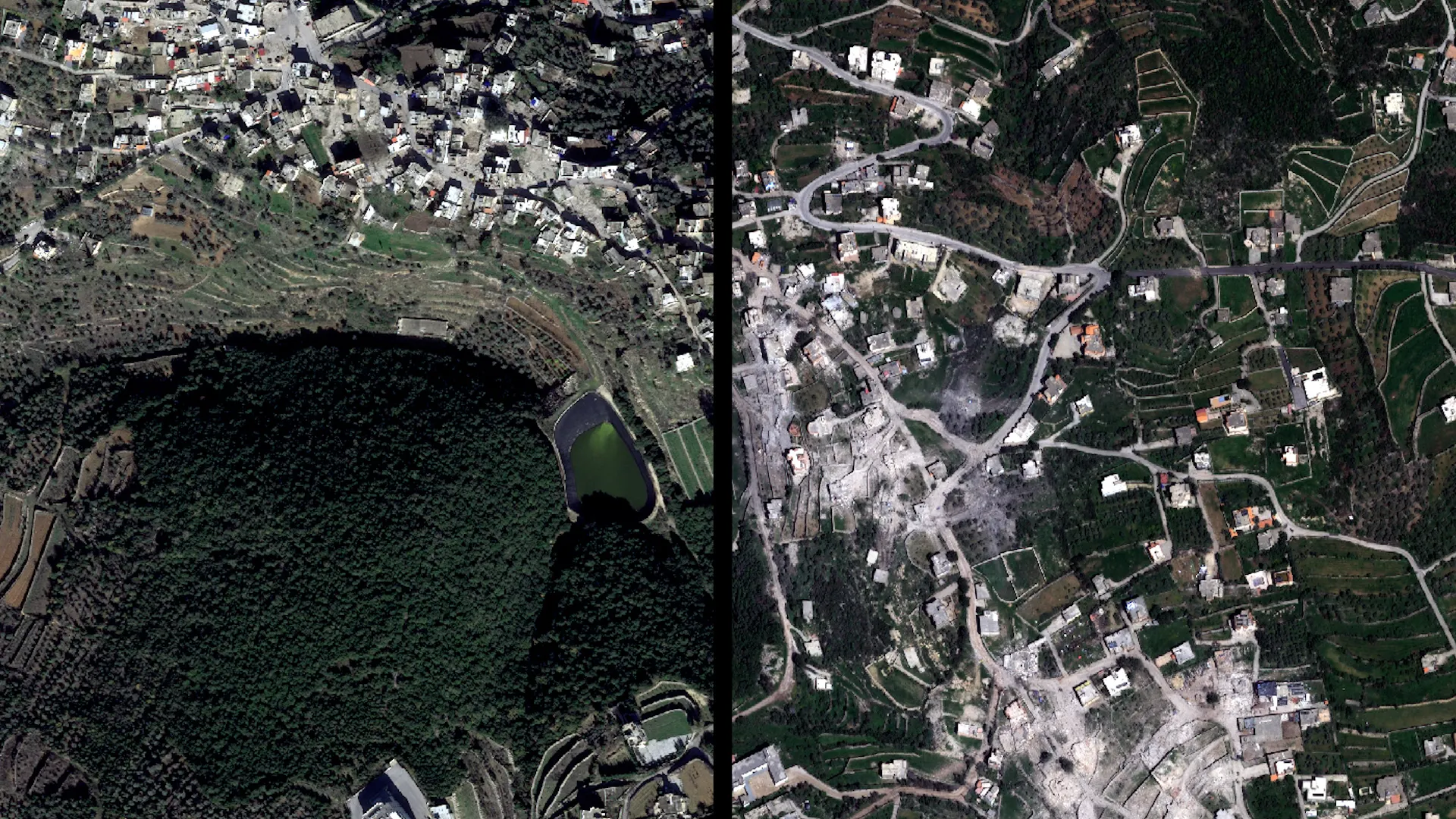
Recent satellite imagery has provided visual documentation of the extensive damage inflicted upon towns in south Lebanon by the Israeli military. The images, which have become the primary source of information regarding the current state of infrastructure in the area, reveal a massive scale of destruction across multiple locations.
According to reporting from Al Jazeera Global News, the visual evidence captured by these satellites underscores the severity of the impact on civilian settlements. The imagery serves as a critical tool for assessing the physical toll of the conflict, offering a high-level overview of the affected zones without relying on on-the-ground access at this stage.
However, the available data presents significant limitations regarding precise quantification. The specific dates of the satellite imagery acquisition are not provided in the source text, leaving the exact timeline of the destruction relative to the current reporting period unclear. Furthermore, the precise number of towns affected or the percentage of infrastructure destroyed remains unquantified in the initial reports.
The narrative surrounding these images relies heavily on visual evidence rather than independent verification from ground reports or official statements from Israeli or Lebanese authorities. While the attribution of the damage to the Israeli military is stated in the source material, the lack of corroborating official commentary within the provided text means the report stands primarily on the evidence of the photographs themselves.
This focus on visual documentation contrasts with other security developments currently being reported in the region. For instance, separate events in Mali have seen armed groups attack military positions in the capital and interior towns, a situation distinct from the conflict dynamics unfolding in Lebanon. The separation of these unrelated military incidents is crucial for maintaining accurate policy analysis.
As the situation in south Lebanon evolves, the reliance on remote sensing technology highlights both the capabilities and constraints of modern conflict monitoring. Until further details regarding dates, specific locations, and official confirmations emerge, the full picture of the destruction remains a subject of ongoing assessment based on these aerial observations.