Diplomatic deadlock in Pakistan sends oil prices soaring as Strait of Hormuz traffic collapses
The collapse of a second round of peace negotiations between Washington and Tehran has triggered a sharp spike in global energy costs, while shipping lanes remain critically constricted.
Brent crude prices surged by more than two per cent to $106.99 per barrel on Sunday, driven by the sudden failure of peace negotiations between the United States and Iran in Pakistan. The deadlock emerged after US envoys Steve Witkoff and Jared Kushner cancelled a planned trip to Islamabad following the departure of Iranian Foreign Minister Abbas Araghchi without any direct engagement taking place between the two sides.
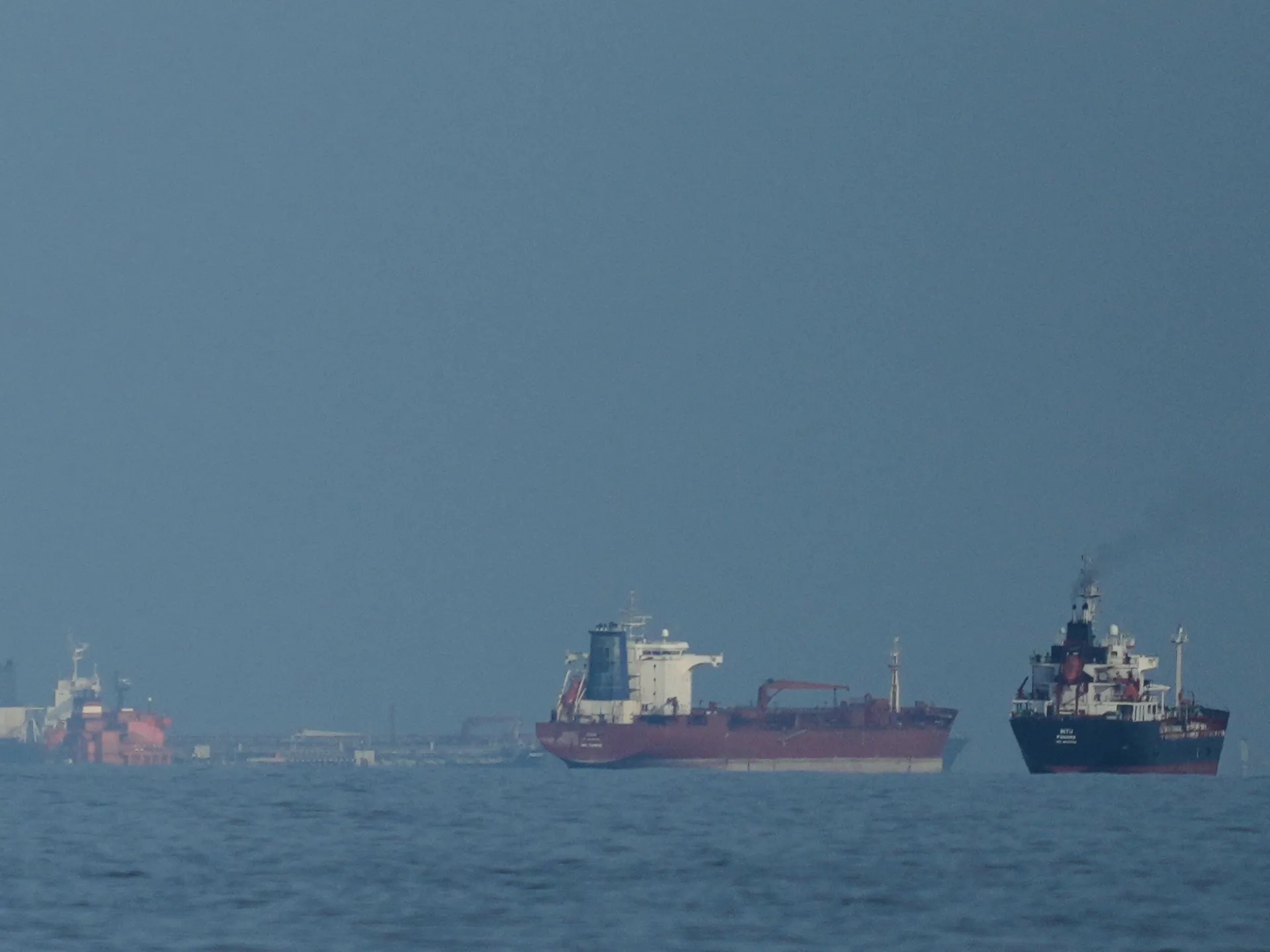
This diplomatic impasse has coincided with a severe contraction in maritime activity through the strategically vital Strait of Hormuz. According to maritime intelligence platform Windward, daily commercial vessel traffic through the waterway has plummeted to just 19 ships, a stark contrast to the pre-conflict average of 129 vessels. This reduction effectively paralyses a significant portion of global oil and natural gas supplies, which normally pass through the strait.
The collapse of talks in Pakistan marks a significant shift in the diplomatic shuffle, with Tehran now pivoting its efforts toward Moscow. Foreign Minister Araghchi departed Islamabad for a brief stop in Oman before travelling to Saint Petersburg to meet with Russian President Vladimir Putin and other senior officials. Meanwhile, US President Donald Trump has announced an extension to the existing two-week ceasefire but has not specified a deadline for a final agreement to end the war.
The economic repercussions of the stalled negotiations are already evident in global markets. Despite the diplomatic impasse, Asian stock markets opened higher on Monday, with Japan's Nikkei 225 and South Korea's KOSPI posting gains in morning trading. However, the uncertainty surrounding the fragile ceasefire and the indefinite nature of the truce announced by the US administration continues to weigh on investor sentiment.
The current standoff follows a joint US-Israel military campaign that began in late February, which escalated tensions between Washington and Tehran. Prior to the conflict, the United Nations Trade and Development noted that the Strait of Hormuz facilitated an average of 129 daily transits, carrying approximately one-fifth of the world's oil and natural gas supplies. The US has since imposed a blockade on Iranian ports, creating a tense environment where Tehran has issued threats against commercial shipping.
As negotiations remain stalled, the efficacy of Iran's threats to close the Strait of Hormuz on a sustained basis remains unclear, though current traffic levels are critically low. The outcome of Araghchi's talks in Saint Petersburg is currently unknown, leaving the path to a resolution uncertain while global energy markets react to the immediate disruption of supply chains.