Elon Musk lawsuit against OpenAI advances to trial over nonprofit governance claims
Jury selection is underway for the case pitting the world's richest man against the AI startup he once founded, with Microsoft CEO Satya Nadella expected to testify.
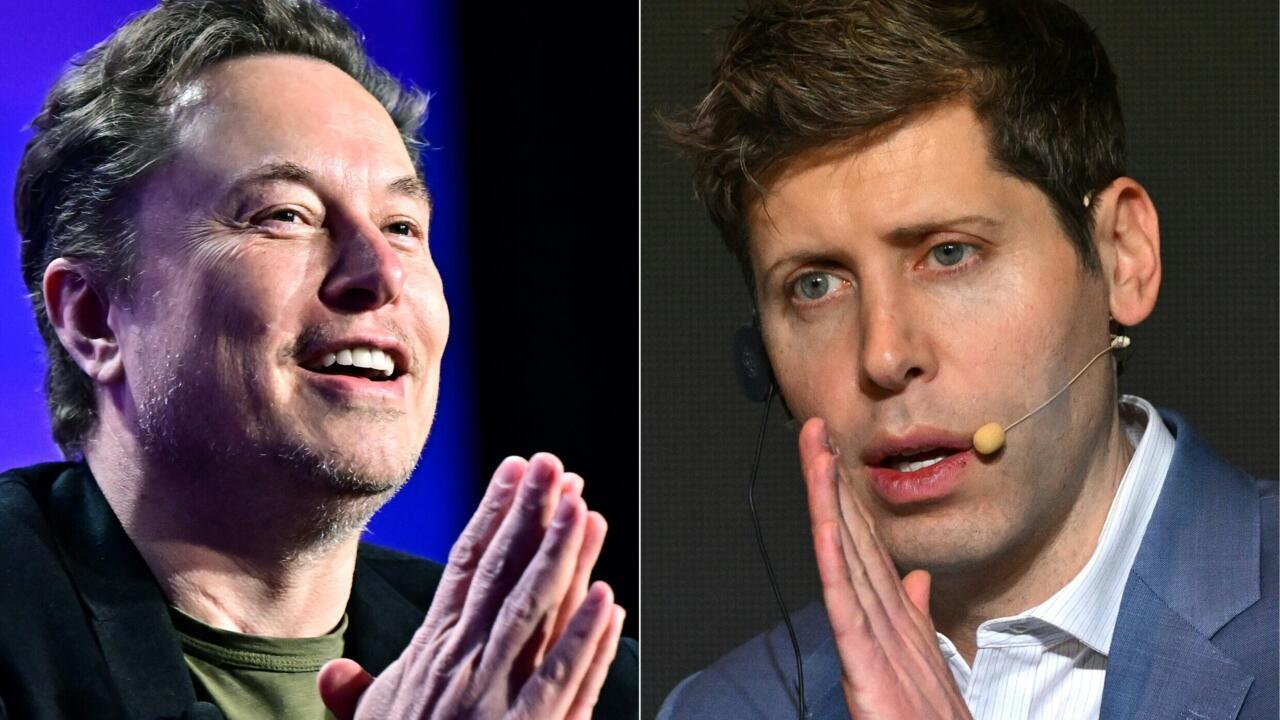
Jury selection has commenced for the trial of Elon Musk's lawsuit against OpenAI, which is set to proceed in California this Monday. The legal proceedings mark a significant escalation in the dispute between the world's wealthiest individual and the artificial intelligence startup he co-founded and funded. While the case was initially framed around allegations of deception regarding the company's altruistic mission, the courtroom battle now encompasses a complex debate over whether advanced technology should serve society as a whole or a privileged few.
The core of the litigation pits conflicting narratives against one another. Musk alleges that he was misled about OpenAI's non-profit status when he invested millions in 2015 under the promise that the technology would belong to the world. Conversely, OpenAI counters that the rift was caused by Musk's pursuit of absolute control rather than any breach of the nonprofit mission. The startup has characterised the legal action as a harassment campaign driven by ego and jealousy, aimed at slowing a competitor in the rapidly evolving AI sector.
The trial features testimony from Microsoft CEO Satya Nadella, who is among the executives slated to provide evidence. Microsoft has poured billions into OpenAI, and its involvement underscores the commercial implications of the company's governance structure. OpenAI currently operates under a hybrid model where a non-profit foundation controls a for-profit arm, a transition Musk claims was deceptive. This structural shift is central to the court's examination of how the organisation was built and how it has evolved since Musk left the venture.
Judge Yvonne Gonzalez Rogers presides over the proceedings, having reserved the right to determine remedies independently without relying solely on the jury's input. The judge is expected to decide by mid-May whether OpenAI broke a promise to Musk or simply adapted to the demands of the technology market. Alongside the question of whether the company reverted to a pure non-profit status, the suit also seeks the ouster of current leadership, including CEO Sam Altman and co-founder Greg Brockman.
In a notable development regarding the financial stakes, Musk has renounced any personal financial benefit from the lawsuit. He has pledged to redirect any damages awarded to the OpenAI non-profit entity. This move shifts the focus from personal enrichment to the broader implications for the organisation's future. The case highlights the ethical and legal challenges surrounding the transition from a pure non-profit laboratory to a hybrid governance structure capable of raising the hundreds of billions required for data centres.
The outcome of the trial will depend heavily on the judge's interpretation of the facts and the remedies available. While the advisory jury will provide findings, the ultimate decision rests with the court. The proceedings underscore the intense scrutiny facing the AI industry as it navigates the complex intersection of public mission statements and private commercial realities.