SafeSport’s Reach and Limits in Youth Sports Abuse Prevention
A new ProPublica guide details the powers and jurisdictional gaps of the U.S. Center for SafeSport, highlighting how banned individuals may continue working with children outside the system’s oversight.
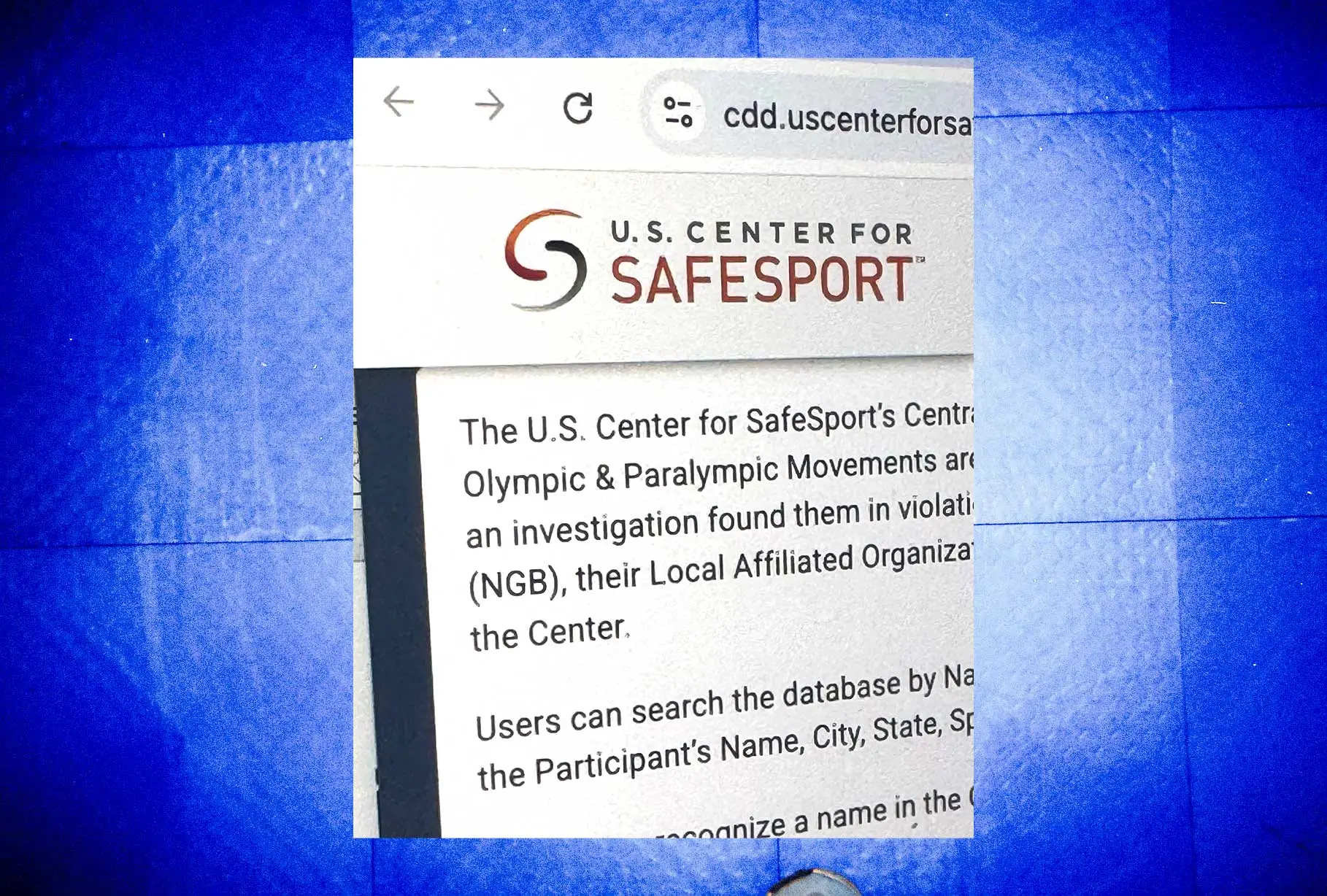
ProPublica has published a detailed guide outlining the function of the U.S. Center for SafeSport, the body established by Congress in 2018 to investigate sexual abuse in youth sports. The guide, released on 20 August 2026, explains the centre’s mandate to investigate allegations ranging from elite Olympic levels to recreational play, with a primary focus on sexual abuse but also covering emotional and physical misconduct.
The centre possesses the authority to suspend coaches during investigations and permanently ban individuals, recording their names in a public database known as the SafeSport list. While coaches and club administrators are legally required to report misconduct, the public can also submit reports online or by phone. SafeSport retains discretion over which cases to investigate, though it may issue temporary suspensions for recent or serious allegations to prevent further contact between the accused and athletes.
A significant limitation of the system is its jurisdiction, which extends only to the 50 national sports governing bodies that oversee Olympic sports, such as volleyball, swimming, and soccer. These bodies are overseen by the U.S. Olympic and Paralympic Committee. Consequently, banned individuals are prohibited from interacting with athletes within these governing bodies, but they may continue to work with children in clubs or organisations that fall outside SafeSport’s jurisdiction.
The guide notes that many parents are unaware of the SafeSport list or how to utilise it. ProPublica highlights that the centre mandates training for coaches and adults on recognising and reporting abuse, as well as strict rules governing adult-minor interactions, such as prohibiting one-on-one time. While athletes over 18 must complete the training, it remains optional for parents, a gap that may leave families less informed on identifying grooming behaviours.
Critics have raised concerns regarding SafeSport’s operational capacity, citing underfunding, understaffing, and a backlog of unresolved complaints. The centre has also faced scrutiny for closing cases without proper investigation. In response, the organisation stated it has improved its processes to resolve cases more quickly and reduce its backlog.
Benita Fitzgerald Mosley, the centre’s new CEO and Olympic gold medalist, stated that the organisation acknowledges the challenges of being the first national sport safeguarding body in the world. She asserted that the centre is now on surer footing, though ProPublica’s reporting continues to document gaps in enforcement by both SafeSport and national governing bodies.