Diplomatic channels fracture as Washington halts Pakistan envoy mission over Tehran's peace framework
Indirect negotiations mediated by Islamabad remain deadlocked over the Strait of Hormuz blockade and uranium enrichment levels, contributing to a severe global energy crisis
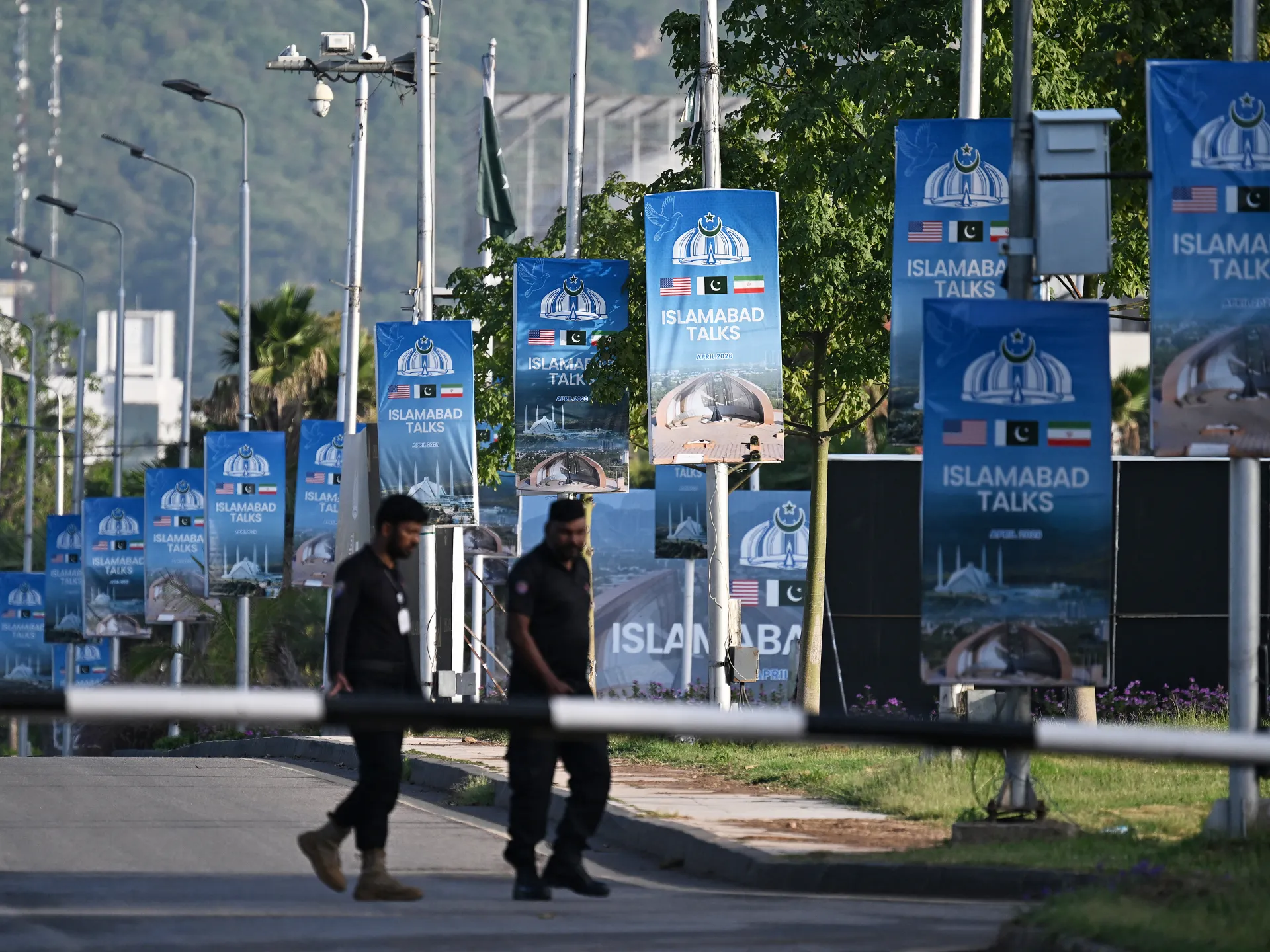
The United States has severed its current diplomatic engagement with Pakistan regarding the ongoing conflict with Iran, following President Donald Trump's decision to cancel a scheduled visit for special envoys Steve Witkoff and Jared Kushner. The White House administration justified the withdrawal by stating that the proposed engagement involved excessive travel costs and resulted in an offer from Tehran that was deemed insufficient to warrant further direct involvement.
In a public statement on Truth Social, President Trump characterised the situation as one where Washington holds all the leverage, asserting that the Iranian leadership is plagued by infighting and confusion. He indicated that if negotiations were to proceed, they could be conducted remotely without the need for physical travel to Islamabad, effectively halting the immediate indirect talks that had been facilitated by Pakistani Prime Minister Shehbaz Sharif and Foreign Minister Abbas Araghchi.
Despite the cancellation of the American envoys' mission, Iranian Foreign Minister Abbas Araghchi has shifted his diplomatic focus from Islamabad to Oman to discuss conflict resolution with Sultan Haitham bin Tariq al-Said. Following these discussions, Araghchi is scheduled to return to Pakistan for further engagement, a move that Pakistani officials describe as a hopeful sign for incremental progress, even as they acknowledge the fragility of the current ceasefire contacts.
The deadlock persists over several critical operational and policy issues, most notably the blockade of the Strait of Hormuz and the levels of uranium enrichment. Iranian President Masoud Pezeshkian has reiterated that negotiations cannot proceed while the United States maintains a naval blockade on Iranian ports, a stance that directly contradicts Washington's demands for full freedom of navigation.
The ongoing impasse has triggered a severe global energy crisis, with the closure of the critical waterway affecting one-fifth of the world's oil and liquefied natural gas supplies. Mutual accusations of ceasefire violations continue to fuel the tension, as Iranian forces block commercial vessels while the US intercepts ships suspected of violating its naval restrictions, raising fears of a broader regional escalation.
While Pakistani political and military leadership continues to mediate, there are no immediate plans for the US envoys to return to the region. The indirect ceasefire contacts remain technically alive but are described by local officials as precarious, with the future of a negotiated settlement remaining opaque amidst the hardening public positions of both Washington and Tehran.