Putin declares Sarmat nuclear missile operational by year-end
The heavy intercontinental ballistic missile system is set for combat readiness by December, a move that adds to strategic tensions as Moscow signals a shift in its military posture.
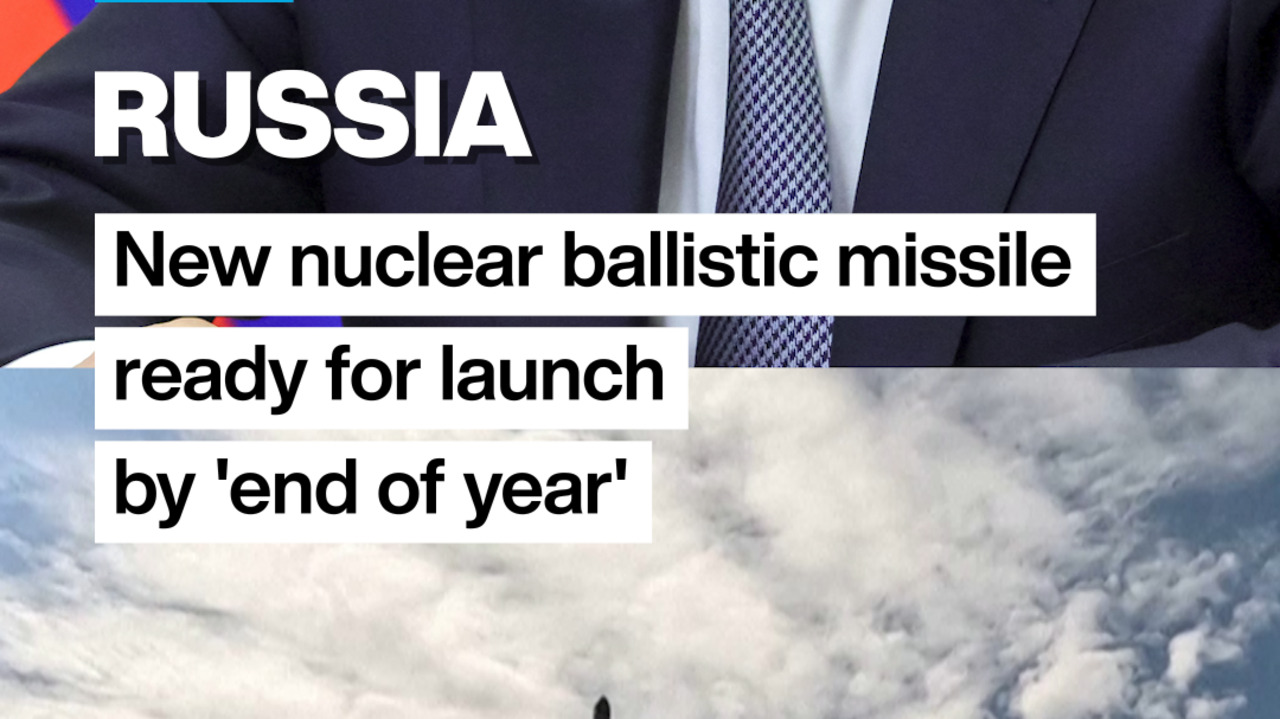
Russian President Vladimir Putin confirmed on 12 May that the Sarmat heavy intercontinental ballistic missile system would be ready for combat duty by the end of the year. The declaration was made during a televised address, marking a formal transition for the weapon from development to active service status.
The announcement establishes a specific timeline for the operationalisation of the Sarmat, a heavy missile developed by Russia. By setting the readiness date for the end of 2026, the Kremlin has moved the system into a phase where it is considered prepared for deployment, according to reports from France 24 International and Reuters.
This declaration comes shortly after Putin suggested that the war in Ukraine is nearing its conclusion. While the timing of the missile announcement follows these comments, the direct causal link between the two statements remains unestablished. The proximity of the announcements, however, underscores the broader security and political context surrounding the ongoing conflict.
Independent observers have not yet verified the exact technical status or readiness level of the Sarmat missile system. The end-of-year timeline relies solely on the President’s statement, and the strategic implications for the trajectory of the war in Ukraine remain speculative.
The confirmation of the Sarmat’s operational readiness adds to the complex security landscape in the region. As Russia signals a potential end to the conflict in Ukraine, the deployment of advanced nuclear capabilities highlights the persistent military tensions and the shifting nature of the country’s strategic deterrence posture.