Jury dismisses Musk’s $150bn OpenAI lawsuit on procedural grounds
A California jury has thrown out Elon Musk’s claim that OpenAI betrayed its nonprofit origins, clearing the path for the company’s commercial expansion while leaving broader regulatory debates unresolved.
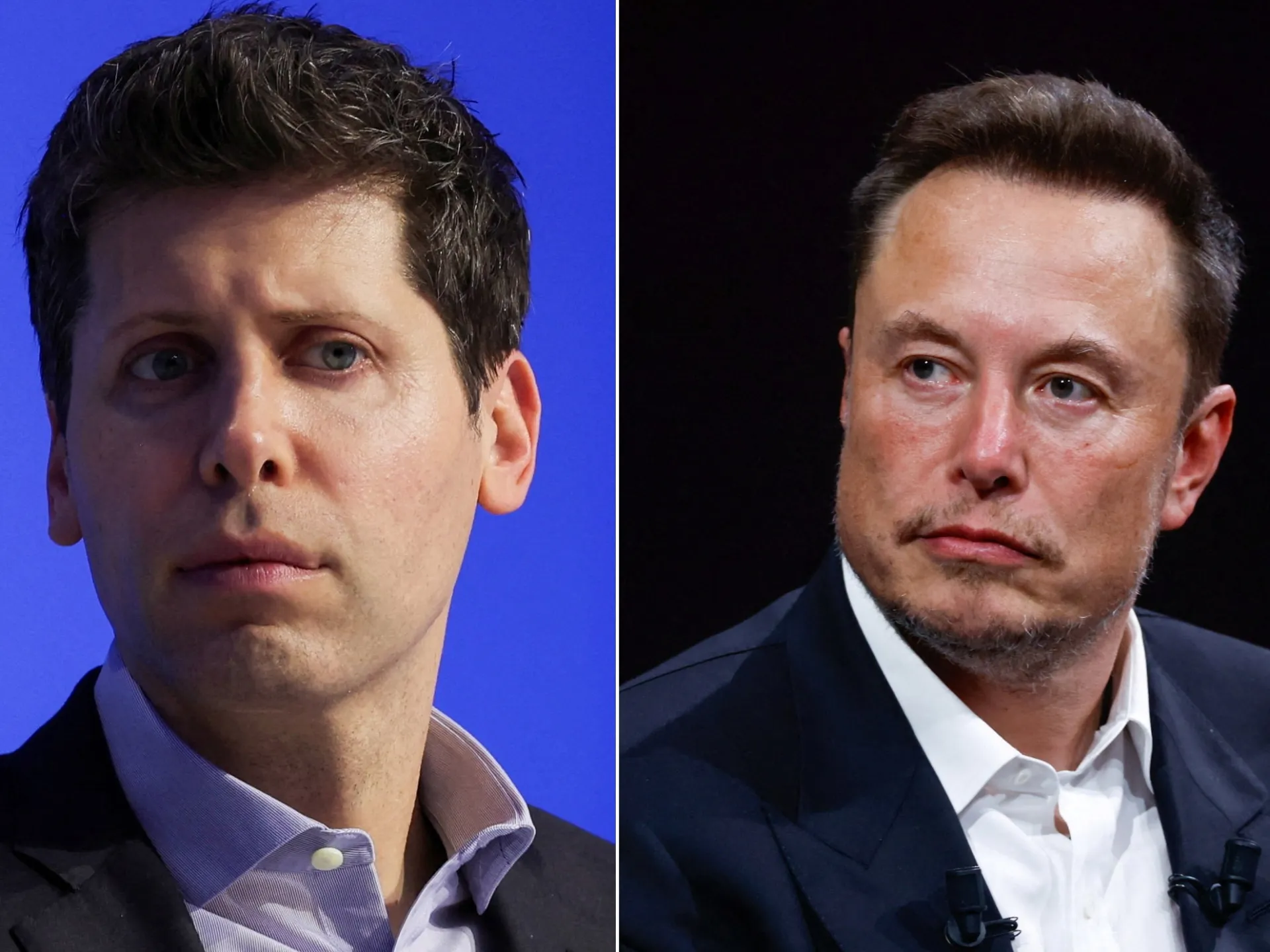
A nine-member jury in Oakland, California, has unanimously dismissed a $150 billion lawsuit filed by Elon Musk against OpenAI, its chief executive Sam Altman, and president Greg Brockman. The verdict, delivered after less than two hours of deliberation, ruled that the statute of limitations had expired because Musk filed the suit in 2024 too late to pursue his claims under applicable legal deadlines.
US District Judge Yvonne Gonzalez Rogers accepted the jury’s finding and formally dismissed the case. The ruling avoids addressing the substantive allegations that OpenAI betrayed its original nonprofit mission to pursue commercial enrichment, a central point of contention since the company’s founding in 2015.
Musk, who co-founded OpenAI as a nonprofit, had accused Altman and Brockman of converting the organisation into a for-profit entity to enrich themselves. Following the verdict, Musk announced plans to appeal, stating on X that the executives had enriched themselves by stealing a charity and warning that creating a precedent to loot charities is destructive to charitable giving in America.
The decision removes a significant legal threat for OpenAI at a pivotal moment for the company. OpenAI, which is reportedly valued at more than $800 billion, is deepening commercial partnerships, expanding its relationship with Microsoft, and moving towards a potential public offering. The ruling ensures that the company’s corporate structure and its multi-billion-dollar partnership with Microsoft remain secure for the immediate future.
While the trial touched briefly on broader concerns surrounding AI development, including transparency, labour, and data extraction, these issues remained largely outside the scope of the final ruling. Nicole Turner Lee, director of the Centre for Technology Innovation, highlighted concerns about AI being extractive and lacking consent for the use of personal data, noting that such governance questions were not resolved by the procedural verdict.