WHO declares international emergency as Ebola death toll climbs to 131
The World Health Organization has escalated its response to the outbreak, citing the speed of transmission and the lack of approved vaccines for the specific strain involved.
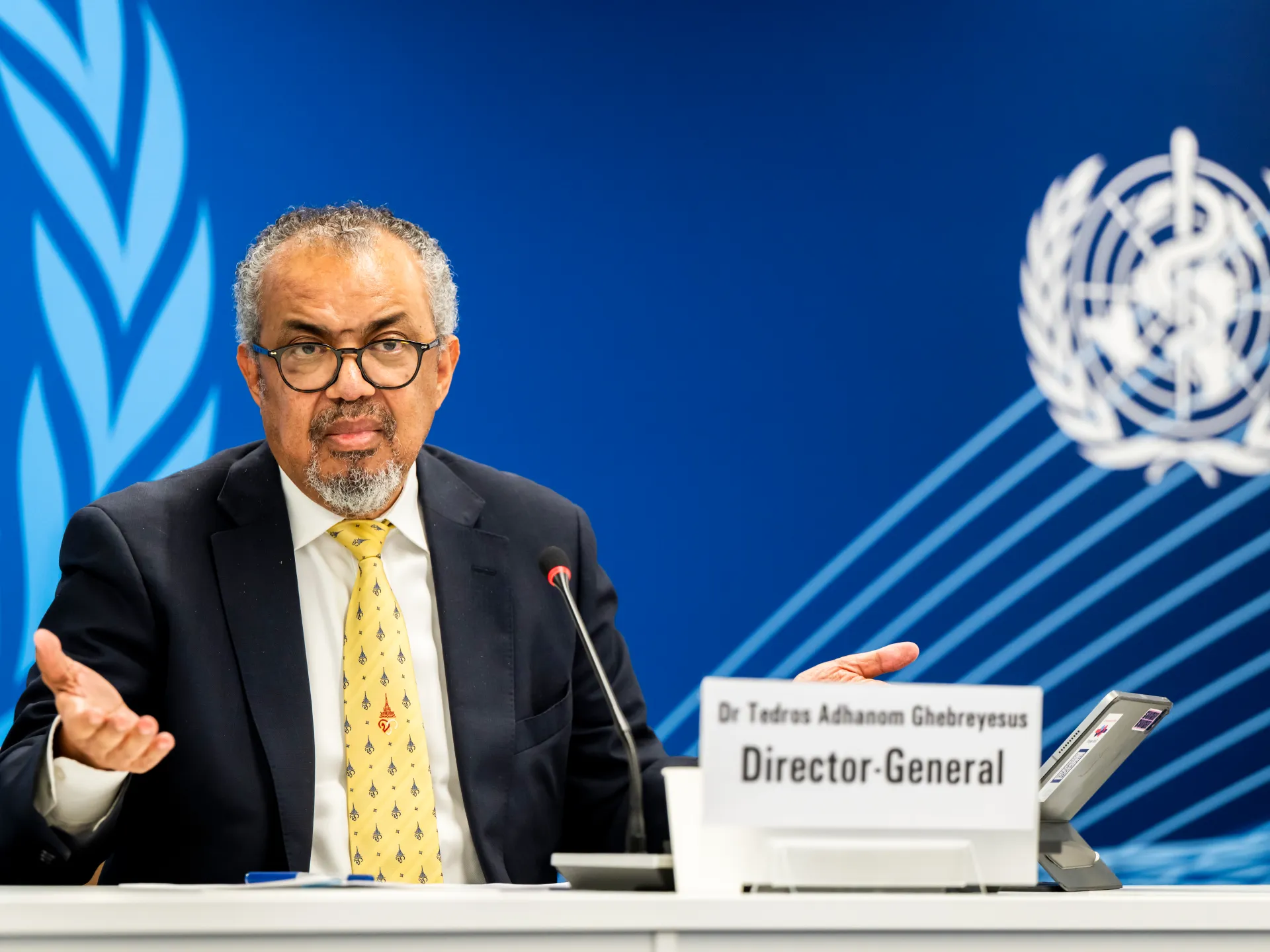
The World Health Organization has declared a public health emergency of international concern following a surge in Ebola cases across the Democratic Republic of the Congo and Uganda. Director-General Tedros Adhanom Ghebreyesus announced the status on Tuesday during the World Health Assembly in Geneva, stating he was deeply concerned by the scale and speed of the epidemic. The declaration comes as the death toll from the outbreak rises to an estimated 131 people from 513 suspected cases, according to DRC Health Minister Samuel Roger Kamba.
An emergency committee comprising international experts is scheduled to meet later on Tuesday to provide technical advice and discuss potential countermeasures. The current outbreak is driven by the Bundibugyo strain of the Ebola virus, which carries a fatality rate of up to 50 percent. Unlike the Zaire strain, for which the Ervebo vaccine is approved, there is currently no licensed vaccine or specific treatment for the Bundibugyo variant. The committee will evaluate evidence, including animal studies suggesting the Ervebo vaccine may offer some protection, to determine the most appropriate response strategy.
The epidemic’s epicentre is located in Ituri province, a gold-mining hub on the border with Uganda and South Sudan. Regular cross-border movement in the region has facilitated the virus’s spread beyond its origin point. Suspected cases have been reported in Butembo and Goma, located approximately 200 kilometres from the ground zero in Ituri. Health Minister Kamba cautioned that the current death toll is an estimate and that further research is required to confirm whether all 131 fatalities were caused by the virus.
In response to the escalating crisis, the WHO is accelerating the dispatch of medical supplies to the DRC. Anne Ancia, the WHO Representative in Ituri province, confirmed that six additional tons of supplies, including personal protective equipment and samples, were set to arrive on Tuesday. This brings the total amount of aid dispatched to 18 tons, aimed at supporting frontline health workers and containing the transmission of the disease.
International medical assistance is also being mobilised for individual cases. The German Ministry of Health confirmed it is preparing to admit and treat a United States citizen who contracted the virus while working in the DRC. The US Centers for Disease Control and Prevention reported that the individual tested positive late on Sunday after exposure related to their work. Dr Mosoka Fallah, acting director of the science department at the Africa Centres for Disease Control and Prevention, emphasised that the emergency committee would advise on the best approach given the absence of established countermeasures for this specific strain.