US Revives 2003 Indictment Against Former Cuban Leader Raul Castro
Washington charges former president with conspiracy to kill US nationals as sanctions deepen and Havana acquires military drones from Russia and Iran.
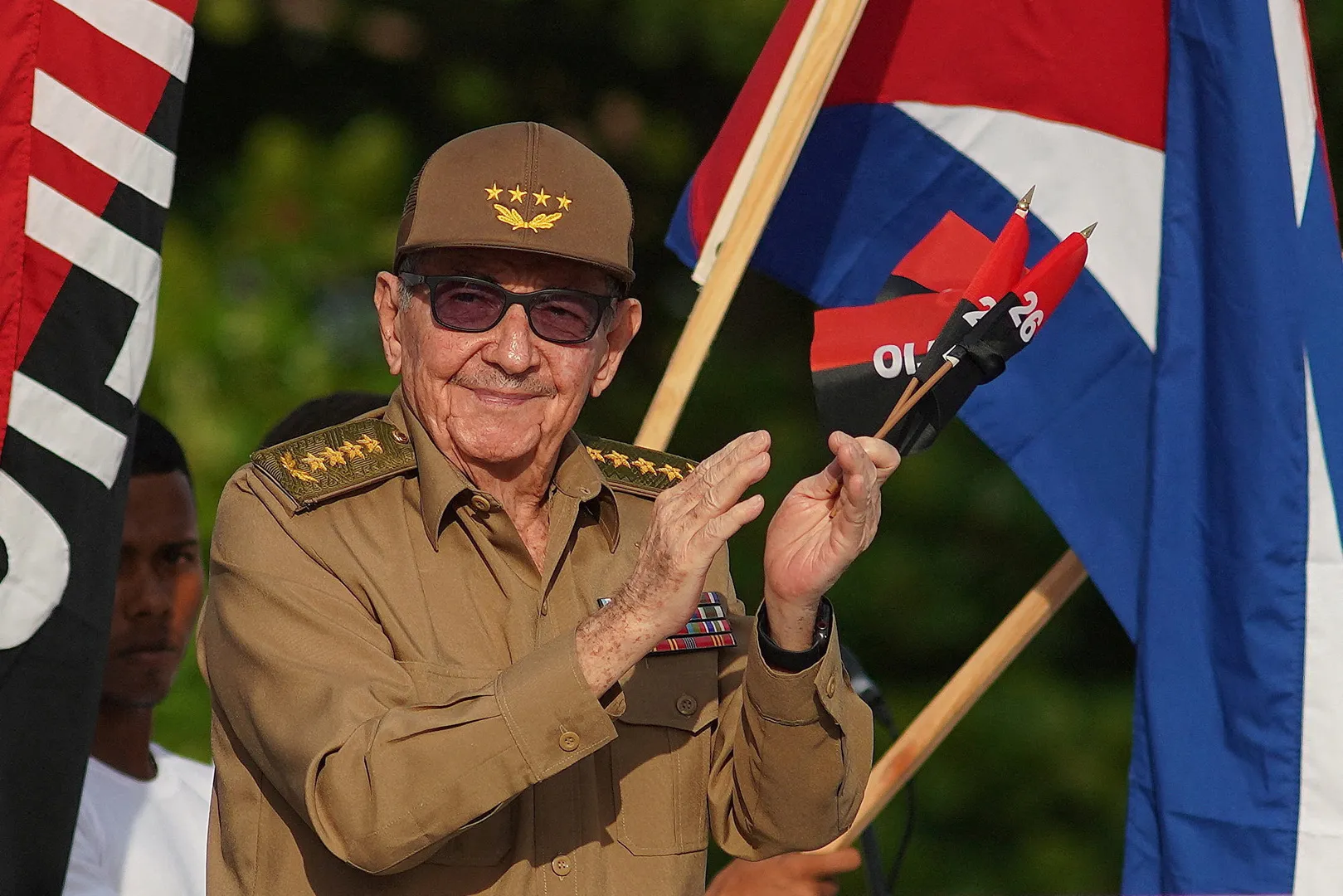
The United States has formally indicted former Cuban President Raul Castro in connection with the 1996 shootdown of two civilian aircraft, reviving a legal case that was initially pursued in 2003. Federal prosecutors have charged Castro and five other individuals with conspiracy to kill US nationals, murder, and the destruction of aircraft. The charges relate to the incident in which Cuban air force jets downed planes operated by Brothers to the Rescue, a Miami-based exile group, resulting in the deaths of four people, including three Americans.
At the time of the 1996 incident, Castro served as Cuba’s Minister of the Armed Forces before later assuming the presidency. The reactivation of these charges marks a significant escalation in the long-standing diplomatic friction between the two nations. Legal experts suggest the move is a strategic effort to increase pressure on the Cuban government, potentially aiming to force the regime to the bargaining table.
This legal development occurs against a backdrop of heightened tensions and recent punitive measures. The US Treasury has recently imposed new sanctions on Cuba’s intelligence agency, nine Cuban nationals, and several senior Communist Party officials and generals. These actions coincide with reports that Havana has acquired over 300 military drones from Russia and Iran, further complicating the security landscape in the region.
Cuban President Miguel Diaz-Canel has responded to the escalating rhetoric by warning of a "bloodbath" should the US launch an attack. Analysts note that while the indictment serves as a potent political signal, the practical likelihood of the Cuban regime surrendering in response remains low. Roxanna Vigil of the Council on Foreign Relations warned that the regime is unlikely to capitulate without resistance, suggesting the legal action may have more symbolic than immediate coercive value.
The indictment of the elderly former leader, who has largely stepped back from public life, raises questions regarding enforcement and the practical implications of the charges. While the legal mechanism is now active, the potential for military escalation remains a concern given the recent acquisition of advanced drone technology by Cuba and the continued imposition of US sanctions.