Bolivian President Paz reshuffles cabinet as diplomatic tensions rise with Colombia
President Rodrigo Paz announces ministerial changes to address weeks of antigovernment protests, while foreign policy friction intensifies following comments by Colombian President Gustavo Petro.
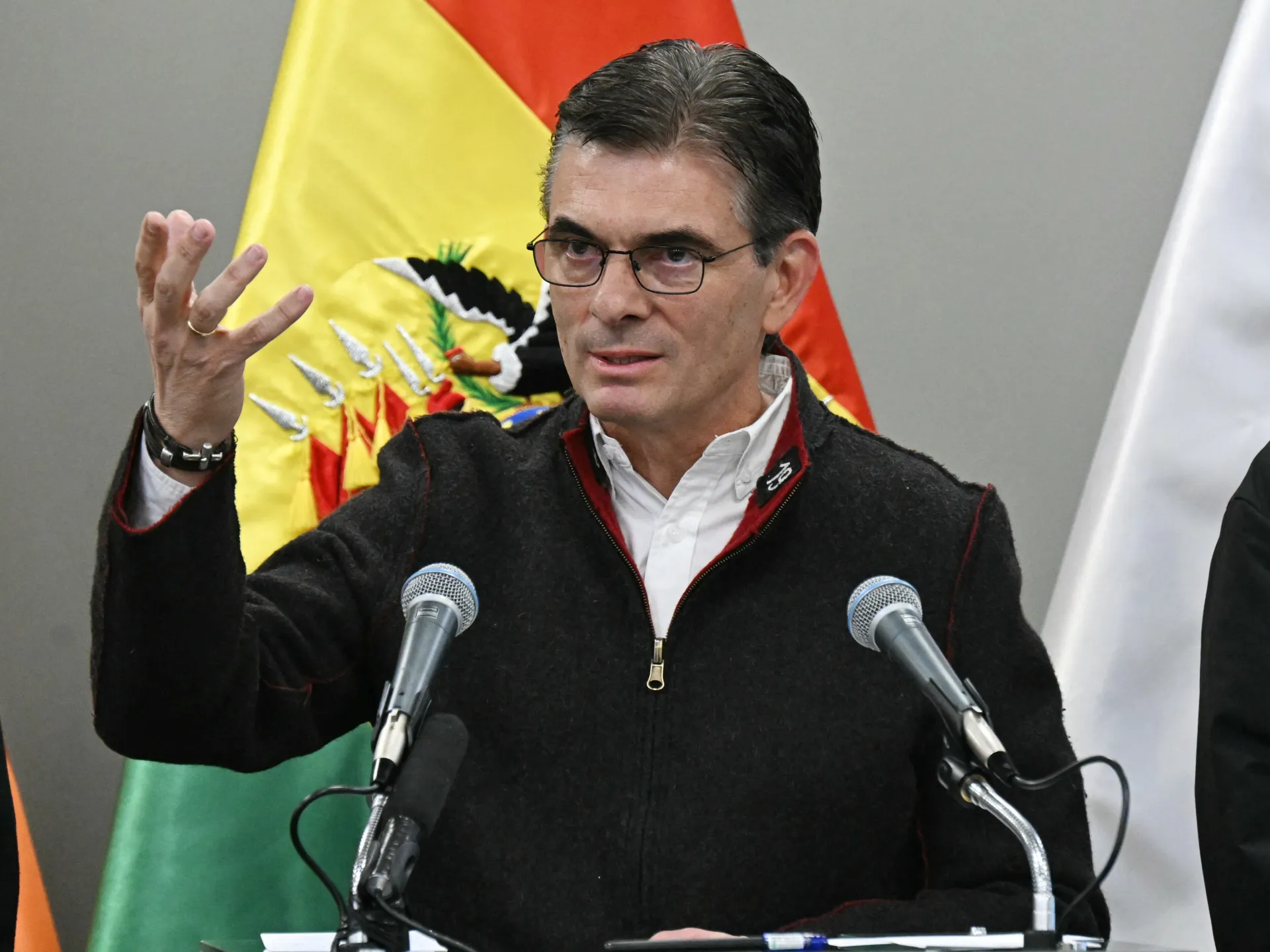
Bolivian President Rodrigo Paz has announced a cabinet reshuffle in an attempt to quell weeks of widespread antigovernment protests that have destabilised the capital, La Paz. Speaking at a news conference on Wednesday, Paz stated he would reorganise his ministers to create a government that “must be able to listen” to the demonstrators. The move comes as the right-wing administration faces intensifying pressure to resign amid one of the country’s worst economic crises in decades.
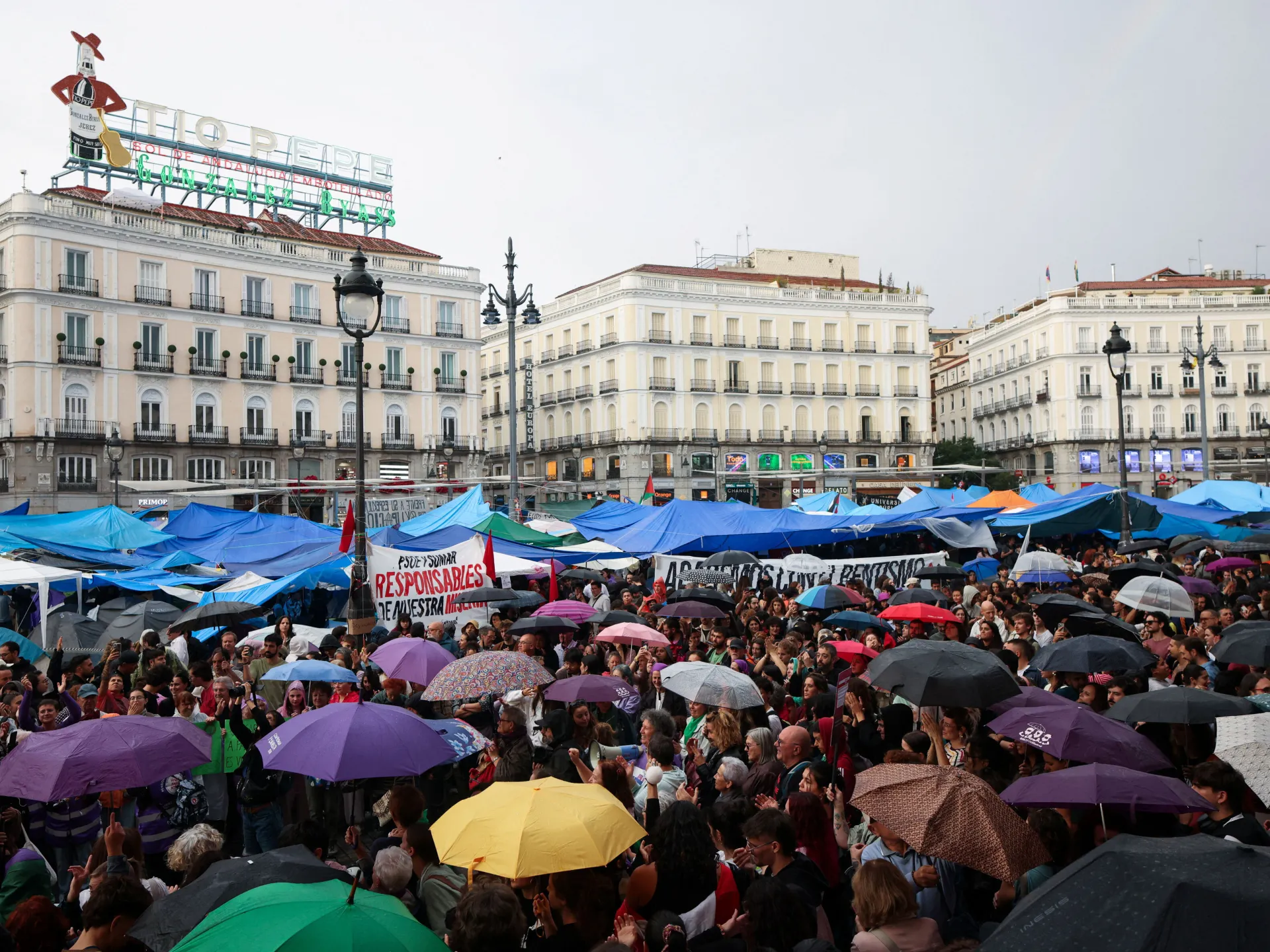
The unrest has been driven by public frustration over the administration’s free-market reforms and controversial cuts to fuel subsidies. Since taking office in November, ending nearly two decades of governance by the Movement for Socialism (MAS), Paz has encountered significant backlash. Thousands of farmers, labourers, miners, and teachers have taken to the streets, leading to repeated clashes with riot police. While Paz acknowledged the frustrations expressed by the public, his government has characterised the mass protests and roadblocks as dangerous attempts to disrupt the democratic order.
Minister of Foreign Affairs Fernando Aramayo described the demonstrations as efforts to destabilise the country, a stance that has drawn sharp criticism from former President Evo Morales. Morales, who continues to exert considerable political influence, has voiced support for the current unrest. The Paz administration has accused the former leftist leader of fomenting the instability. Morales faces charges of statutory rape and has an outstanding arrest warrant, allegations which his allies argue are politically motivated attempts to remove him from public life.
Diplomatic tensions have escalated significantly following comments by Colombian President Gustavo Petro, who described the Bolivian unrest as a “popular insurrection”. In response, the Bolivian Ministry of Foreign Affairs summoned the Colombian ambassador to leave the country, citing interference in domestic affairs. Petro condemned the expulsion, suggesting that rejecting dialogue and mediation signals a slide towards extremism that could have severe consequences for the Bolivian people.
Meanwhile, the United States has expressed full support for Paz’s administration. US Secretary of State Marco Rubio posted on social media on Wednesday, stating that Washington stands squarely behind Bolivia’s “legitimate constitutional government.” Rubio added that the US would not allow “criminals and drug traffickers” to overthrow democratically elected leaders in the hemisphere, aligning with the Paz government’s narrative amid the ongoing political and economic upheaval.