ProPublica investigation uncovers systemic failures in 1981 Syracuse sexual assault case
A new report details how Syracuse University and local authorities mishandled evidence and suppressed media coverage, allowing a confessed serial rapist to remain free while an innocent man served 16 years in prison.
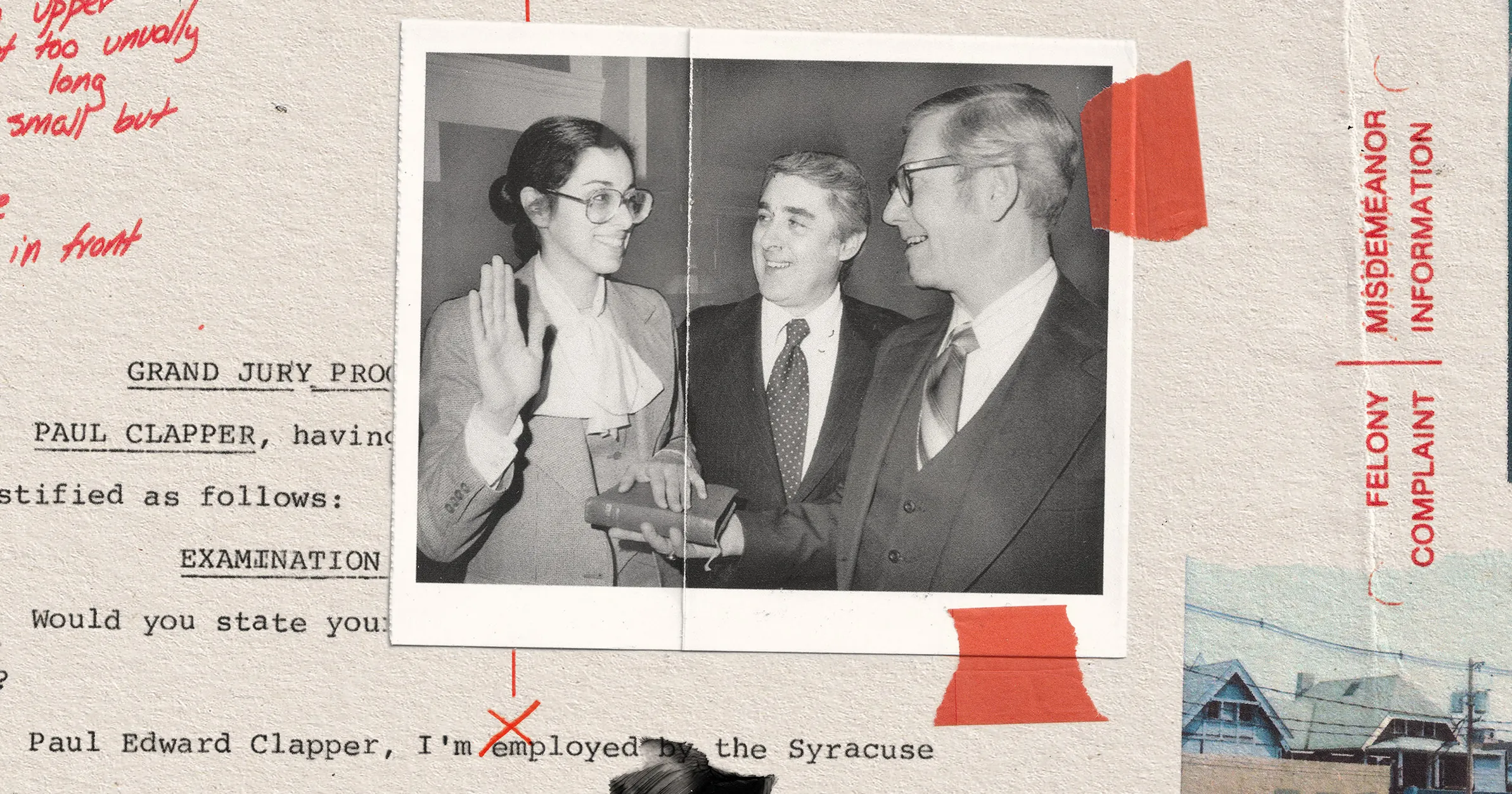
A yearslong investigation by ProPublica has exposed deep-seated institutional failures within the Syracuse justice system following the 1981 sexual assault of author Alice Sebold. The report details how police, prosecutors and Syracuse University suppressed information and mishandled evidence, leading to the wrongful conviction of Anthony Broadwater, who served 16 years in prison before his conviction was vacated in 2021.
The inquiry reveals that at the time of Sebold’s assault, Syracuse was experiencing a rash of sexual assaults, yet law enforcement appeared to deprioritise these crimes. Documents and testimony indicate that Syracuse University actively quashed media coverage of the attacks. A former detective testified in a 2025 deposition that the university instructed police to label reports with “NO PRESS” to suppress news of rapes, robberies and burglaries near the campus. A university spokesperson stated the institution is not in a position to speak to the actions of prior administrations but affirmed its current commitment to preventing sexual violence.
Broadwater’s arrest occurred after Sebold identified him on the street months after the assault. However, during a police lineup, Sebold did not identify Broadwater, selecting a man to his left instead. Assistant District Attorney Gail Uebelhoer allegedly pressured Sebold to draft an affidavit on the spot, claiming the two men in the lineup were “dead ringers” for each other. Despite the lack of physical evidence linking Broadwater to the crime, Uebelhoer presented the case to a grand jury, asserting she had done her job by presenting it without hiding its flaws.
The investigation also highlights the case of Thomas Weakfall, a confessed serial rapist whose initial confession was deemed inadmissible because he was already represented by counsel. Weakfall confessed to raping five women in late 1981, four of whom were attacked within a mile of Thornden Park. Although he matched key elements of Sebold’s description, his confession was ruled inadmissible. Weakfall later confessed to additional rapes in 1985 after being spotted using a stolen ATM card, serving 12 years of an 18-year sentence, though he has denied assaulting anyone outdoors.
Broadwater’s conviction was vacated in 2021 following a motion by the Syracuse district attorney, who stated he should never have been prosecuted. Sebold has since acknowledged her role in the wrongful conviction, writing a three-page letter to Broadwater that took four years to compose. While Broadwater received a multimillion-dollar settlement from the state of New York, he continues to face social stigma and is contesting compensation claims with Syracuse University and Onondaga County.