PM Narendra Modi issues one-year appeal for lifestyle restrictions to conserve foreign exchange reserves
In a move framed as a patriotic duty, the Prime Minister has called for reduced fuel consumption and curbs on non-essential spending amid surging oil prices linked to the conflict in the Gulf region.
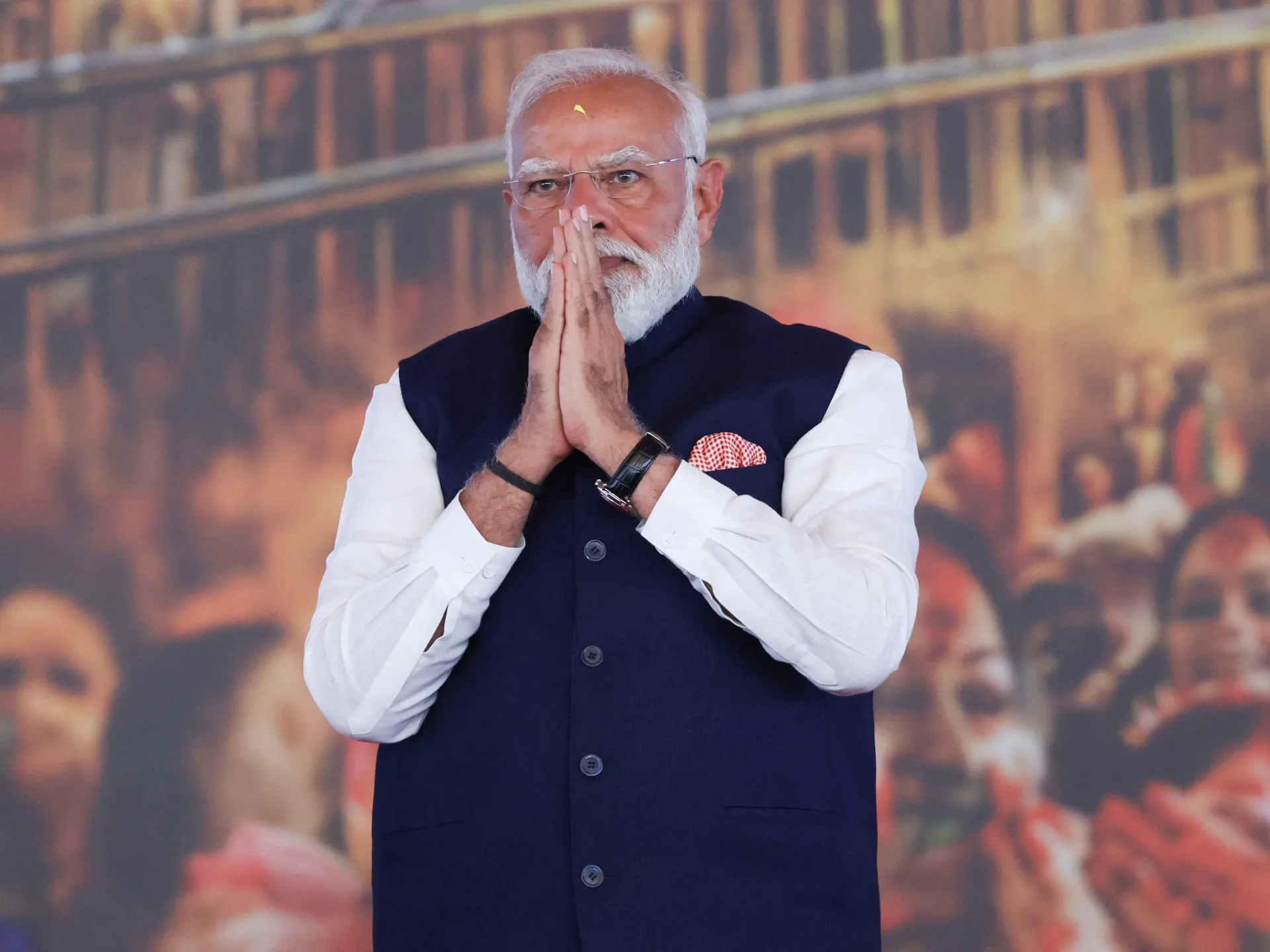
Prime Minister Narendra Modi has issued a public appeal to Indian citizens to adopt restrictive lifestyle measures for a minimum of one year. Announced during an event in Hyderabad on Sunday, the directive specifically requests that the public avoid international trips and purchasing gold. These measures are presented as a necessary response to conserve foreign exchange reserves, which have fallen to $690.69 billion due to surging global energy prices triggered by the war between the United States, Israel, and Iran.
The government has linked these lifestyle changes directly to the preservation of national economic stability. The Prime Minister explained that in the current situation, great emphasis must be placed on saving foreign exchange. Consequently, he urged citizens to work from home and utilise online meetings instead of physical gatherings, a practice he noted was adopted globally during the COVID-19 pandemic. Additionally, the Prime Minister called for the use of public transport and carpooling to reduce overall fuel consumption.
Further directives were issued regarding household and agricultural consumption. Families were asked to reduce their cooking oil consumption, a move described by the Prime Minister as both healthy and patriotic. Farmers were explicitly instructed to cut fertiliser use by as much as half. The Prime Minister noted that while energy imports and fertilisers are essential for the economy and food supplies, gold and foreign travel represent areas where the nation can exercise greater restraint.
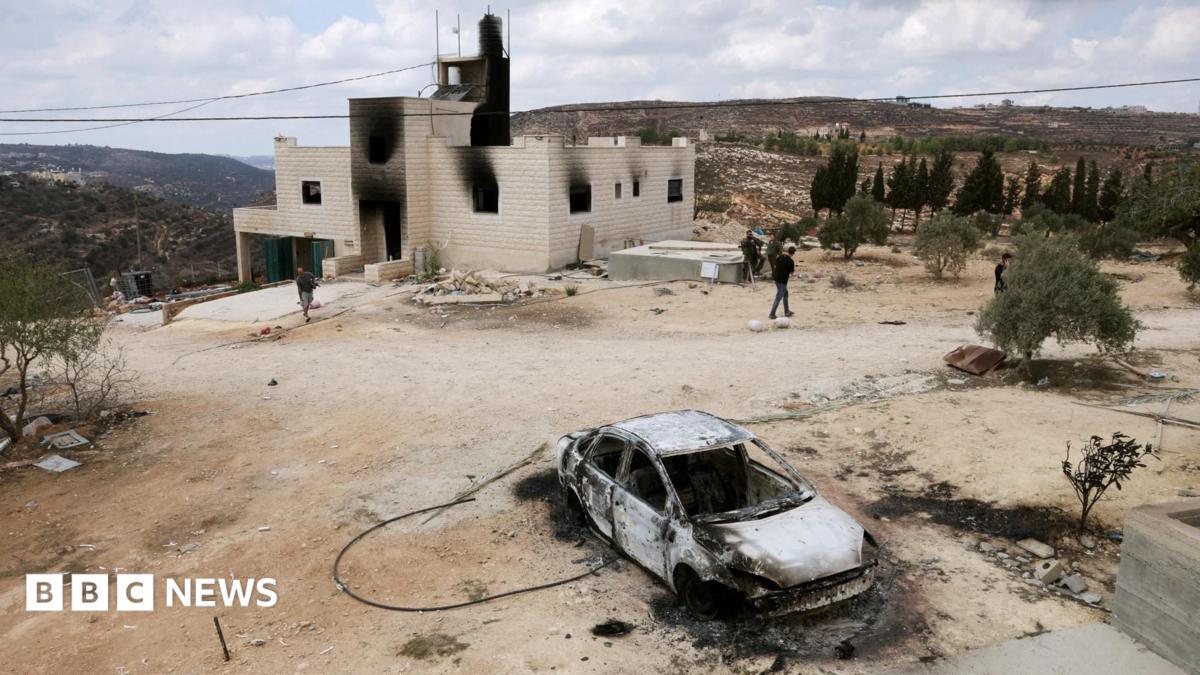
The economic justification for these appeals is grounded in the sharp rise in global commodity prices. Brent crude prices have surged from approximately $72.87 per barrel on 27 February to $105.45 per barrel on Monday, representing an increase of nearly 50 per cent. This volatility has been driven by Iranian attacks on oil and gas facilities in the Gulf and restrictions on passage through the Strait of Hormuz. Since early March, the waterway has seen reduced transit for vessels not negotiating with the Islamic Revolutionary Guard Corps, further disrupting global oil and liquefied natural gas supplies.
The impact of these supply disruptions extends to international airfares and agricultural inputs. According to travel data, average international airfares from the US rose by 16 per cent in the last week of April. Simultaneously, the disruption of supplies through the Strait of Hormux has affected the flow of urea and other fertilisers, with India being the world's largest importer of the substance. The Prime Minister compared the current economic strain to the situation during the COVID-19 pandemic, suggesting that similar restrictive measures are necessary to fulfil duties to the nation in daily life.
Data from the Reserve Bank of India highlights the severity of the reserve depletion. As of May 1, India's foreign exchange reserves stood at $690.69 billion, a drop of $7.79 billion from the end of March. Compared with the position before the war, where reserves stood at $728.5 billion on 27 February, the fall is described as precipitous. The International Monetary Fund has projected that India's current account deficit will be $84 billion in 2026, underscoring the pressure on the nation's import budget driven largely by crude oil and gold purchases.
While the Prime Minister framed these actions as a collective responsibility to live responsibly, the extent to which the public will comply remains uncertain. The call comes as India, the world's third-largest oil importer, faces the challenge of balancing essential energy needs with the imperative to preserve dwindling foreign currency reserves against a backdrop of ongoing geopolitical conflict.