Hostilities intensify between Israel and Hezbollah as ceasefire truce faces scrutiny
Analysts describe the current truce as a pretence while casualty figures rise and new drone tactics emerge
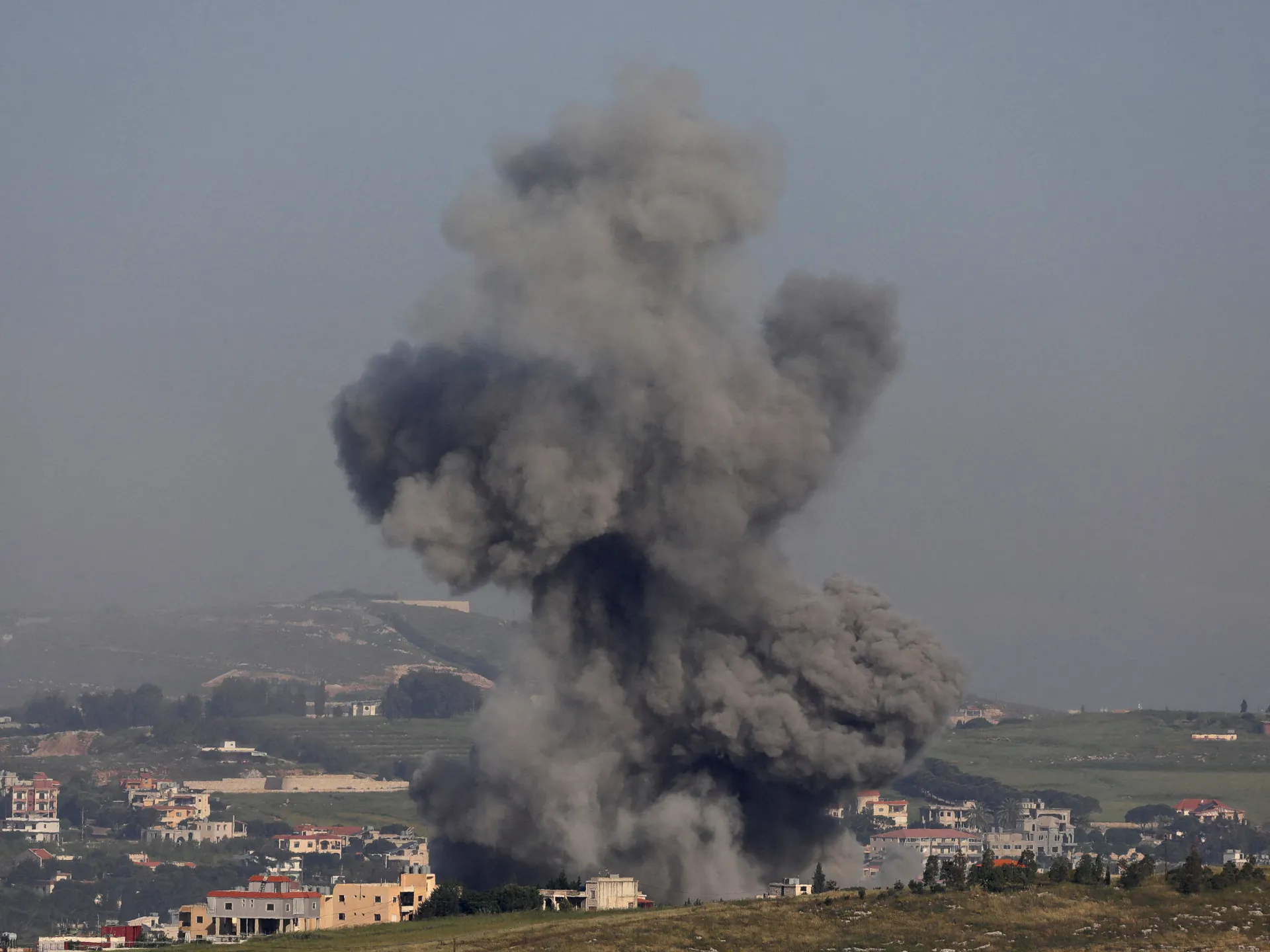
Attacks between Israel and Hezbollah have intensified significantly since the official ceasefire agreement took effect on 16 April, with both sides ramping up military operations across the region. While a diplomatic process is scheduled in Washington for 14 and 15 May, analysts suggest the current truce may be a pretence as fighting continues in southern Lebanon and Beirut's southern suburbs. The United States State Department has confirmed plans for intensive talks between the Israeli and Lebanese governments, though Hezbollah has protested its exclusion from the negotiations.
Recent escalations include Israeli airstrikes killing 51 people across Lebanon on Sunday, 11 May, including two medical workers targeted in raids on points of the Health Authority in Qalawiya and Tibnin. The Lebanese Health Ministry reported these deaths as part of a broader toll where the United Nations states that at least 103 Lebanese medical workers have been killed and 230 injured in more than 130 Israeli strikes since the war began on 2 March. This surge in violence against humanitarian infrastructure has drawn sharp criticism regarding the protection of medical personnel during active conflict.
Hezbollah claimed to have launched 24 attacks on Israeli army positions, soldiers, and military vehicles in the last 24 hours, targeting areas including Khiam, Deir Seryan, and Naqoura using drones, rockets, and artillery. The geographic scope of the conflict has also expanded, with Israel bombing Beirut's southern suburbs for the first time since the ceasefire began, despite previously stating it only targets Hezbollah infrastructure in the south. These strikes have forced residents in nine areas to flee ahead of potential Israeli operations.
Tactical developments on the battlefield indicate a shift in drone warfare capabilities, with Hezbollah reportedly using fibre optic threads to guide FPV drones to evade Israeli jamming. The Jerusalem Post noted that these guided drones successfully struck an Iron Dome battery on the northern border, highlighting the challenges the Israeli military faces in responding to such threats in real time. Israeli officials have outlined new pilot programmes to better identify and neutralise these drones, yet the military continues to struggle to catch up with the evolving tactics.
The upcoming diplomatic timeline remains critical, with US State Department officials planning the talks in Washington to advance a comprehensive peace and security agreement. However, the exclusion of Hezbollah from the process may hinder the diplomatic effort, as the group maintains that Israel must withdraw from southern Lebanon for any lasting resolution. The United Nations has previously counted more than 10,000 Israeli ceasefire violations since the end of the previous truce, casting long shadows over the current negotiations.
As the situation remains volatile, the reliance on the US to encourage de-escalation appears strained by the reality of ongoing hostilities. While the theoretical framework of the ceasefire exists, the ramping up of attacks by both warring parties suggests that the immediate future will be defined by continued military engagement rather than diplomatic breakthroughs. The humanitarian cost of this escalation continues to mount, with medical workers and civilians bearing the brunt of the renewed violence.