Philippines’ UNESCO Rice Terraces Face Restoration Crisis Amid Climate Stress
A $500,000 repair bill and delayed national aid leave the Batad community reliant on voluntary labour to recover from Super Typhoon Fung-wong, as experts warn of escalating climate risks.
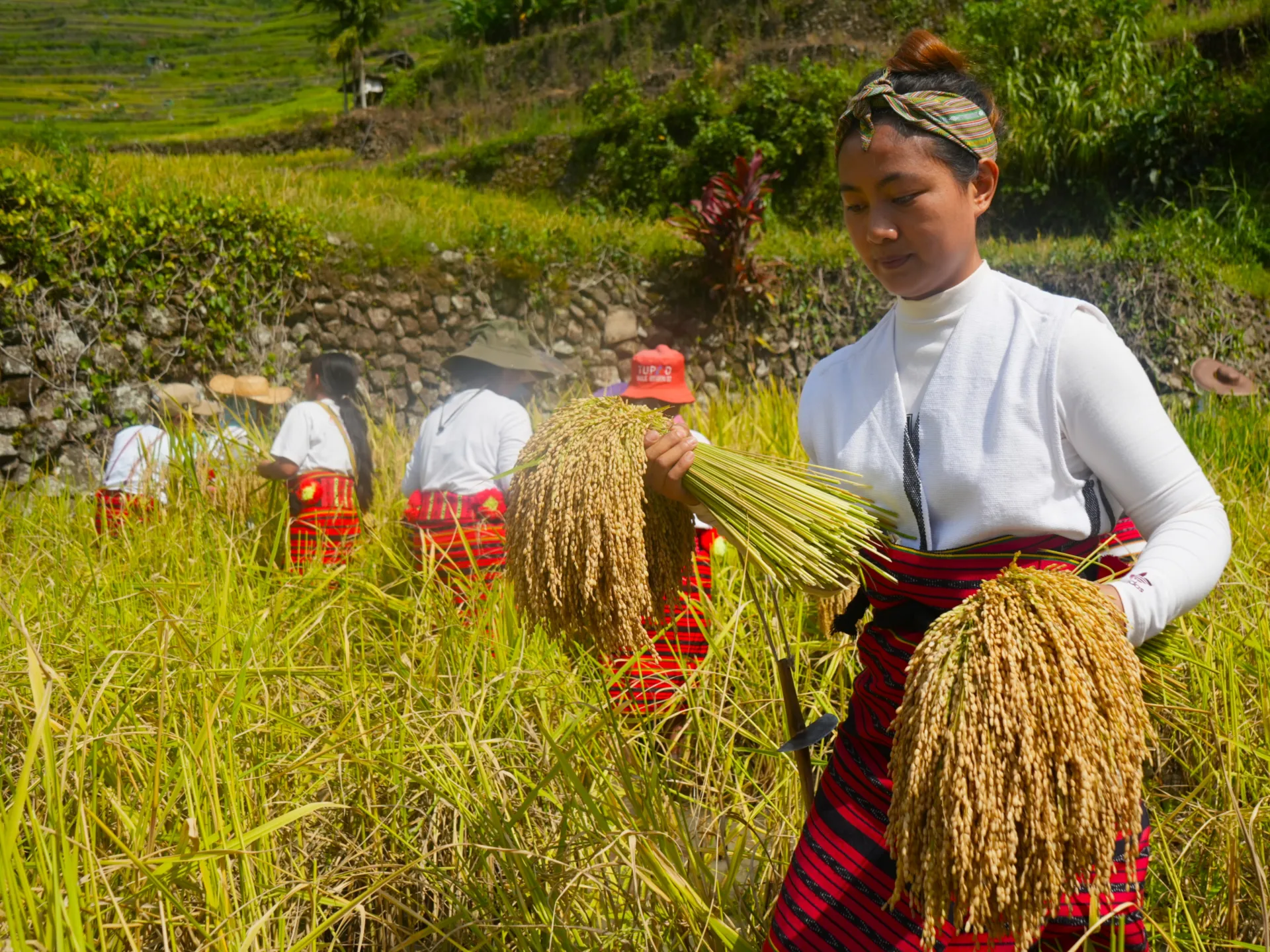
The UNESCO World Heritage rice terraces in Batad, Ifugao, Philippines, are grappling with significant structural damage and a funding shortfall following extreme weather events that have intensified in recent years. A landslide triggered by Super Typhoon Fung-wong in November 2025 destroyed an irrigation canal and damaged approximately 2.2 hectares of rice fields, affecting 150 farmers and resulting in two fatalities. The incident has exposed the fragility of the heritage site, which is increasingly vulnerable to climate-induced stressors such as droughts and heavy rainfall.
Steve Baccay, head of Ifugao’s Provincial Agriculture and Environment Office, estimated that $500,000 is required to restore the damaged infrastructure. With additional national government aid unlikely until the next fiscal year, the burden of recovery has fallen on the local community. Residents have organised voluntary communal work, known as bachang, to repair the demolished canal, while social welfare departments have provided emergency food and cash assistance to those impacted.
The physical vulnerability of the terraces is exacerbated by shifting climate patterns. Marlon Martin, head of the Save the Ifugao Terraces Movement, noted that prolonged dry spells cause deep cracks in the soil, which allow sudden bursts of rain to seep in abruptly, leading to erosion and soil collapse. These conditions mirror broader global trends; a study published in the journal Nature in August 2025 found that 80 percent of UNESCO World Heritage Sites are facing climate-induced stress, with sites in low and middle-income countries receiving the least conservation support.
Batad has a history of such disasters, having experienced landslides in 2011 and 2023 prior to the most recent event. The community is now bracing for the impacts of this year’s Super El Niño phenomenon, which is expected to drive more extreme weather and rainfall patterns. Martin warned that while Indigenous engineering techniques have allowed the Ifugao people to adapt for centuries, national intervention is necessary for the terraces to withstand the increasing frequency and severity of these climatic events.
Despite the challenges, the cultural significance of the terraces remains a driving force for preservation. Village chief Romeo Heppog and elders such as Apu Penneng continue to uphold traditional rituals, including the Tanig pre-harvest ceremony, to honour ancestors and renew their commitment to protecting the site. As the community navigates the uncertainties of climate change, these cultural practices serve as a focal point for resilience, even as the physical landscape faces ongoing threats from nature.