Pentagon proposes partial revival of civilian harm program after commander pushback
The US Department of Defense is weighing a scaled-down restoration of its civilian protection unit, following a previously unreported poll in which senior military leaders advised against dismantling the program.
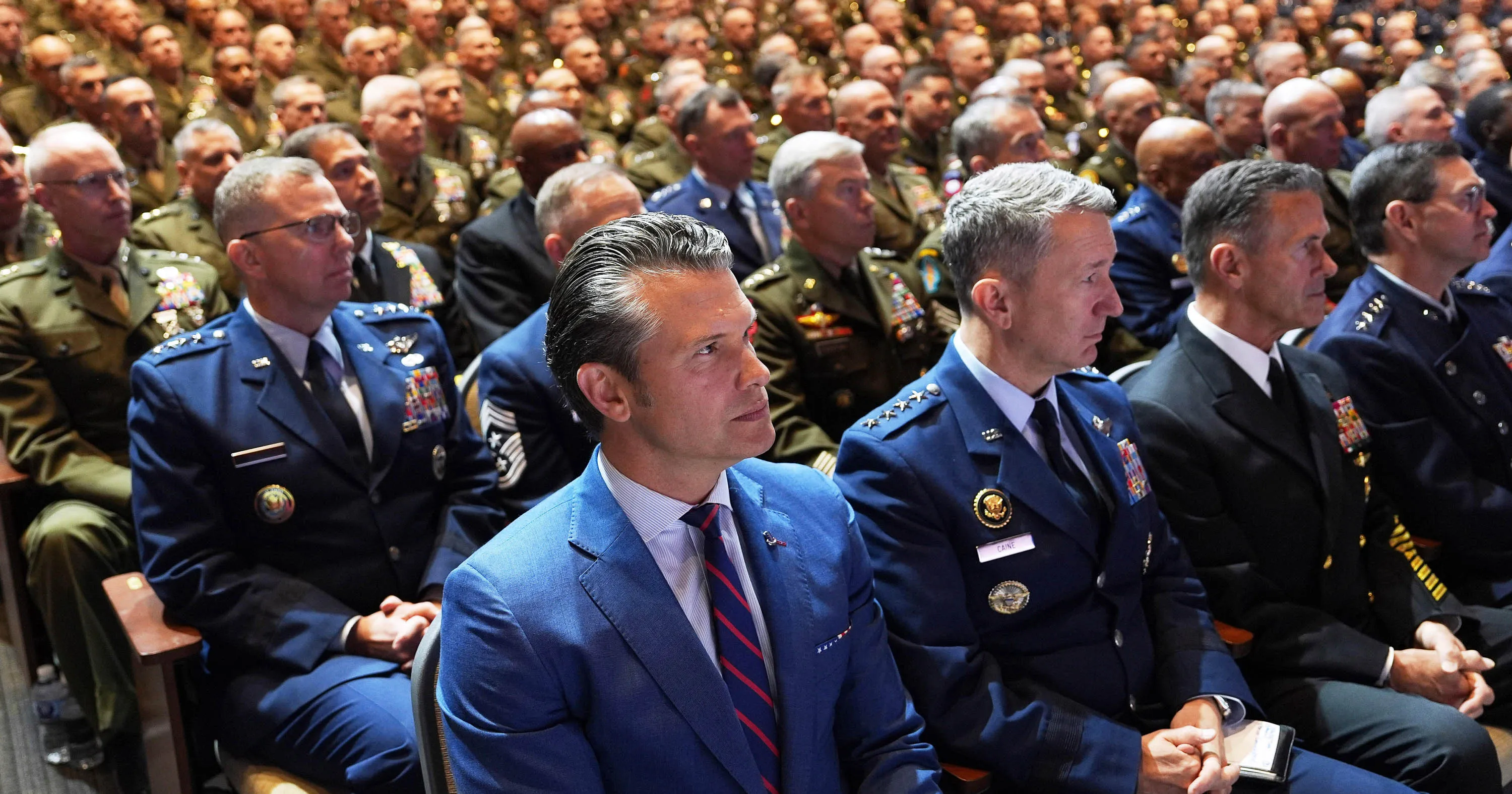
The US Department of Defense is considering partially restoring the Civilian Harm Mitigation and Response (CHMR) program, a move that reverses a decision made by Defence Secretary Pete Hegseth last year. The program, formalised in 2022 to protect non-combatants and investigate casualty reports, was dismantled despite opposition from top military commanders. A previously unreported poll from early 2025 revealed that senior leaders had advised against cutting the initiative, which was designed to reduce civilian casualties during operations.
According to a memo reviewed by ProPublica, Hegseth presented commanders with three options: cut 65 per cent of staff, maintain a small centralised office, or eliminate the program entirely. Nine commanders chose the first option to preserve the enterprise as much as possible, while leaders of two other commands declined all options, requesting the full program be maintained. The head of US Central Command, which oversees military action in the Middle East, specifically pressed to keep its full CHMR staff of 16, warning that scaling back the effort would increase the risk of target misidentification.
Despite this internal pushback, Hegseth reduced the program to a handful of personnel, stripping it of almost all funding. The first major military operation of his tenure, an air campaign in Yemen in spring 2025, killed 153 civilians and wounded 243 others. The toll was confirmed in the Pentagon’s 2025 annual report. By the time the US began attacking Iran the following year, the civilian protection program had shrunk from nearly 200 people to around two dozen, with Central Command left with only one staff member.
Pressure to restore the program intensified after a US airstrike on the first day of the war with Iran hit a school in Minab, killing more than 100 children. The incident drew global criticism and questions from Congress, with 11 senators writing to Hegseth in April to note that the deadly attacks reflected a "broader disregard" for the imperative to minimise civilian harm. Early reports on the investigation into the school strike, which have not yet been publicly released, suggest that outdated US intelligence led to the attack.
In response to the mounting scrutiny, Elbridge Colby, the Defence Department’s under secretary of policy, sent a memo in April proposing to reboot the program with 70 full-time staff. This represents a significant reduction from the previous size of nearly 200 people but would allow all regional commands to reconstitute their civilian harm reduction staff. The proposal also includes moving the Virginia-based Civilian Protection Center of Excellence from under the Army to the Joint Staff, a change officials say would ease collaboration with the Navy and Air Force.
The Pentagon did not respond to requests for comment about the poll or the program’s revival. The harm mitigation effort constitutes a small fraction of the Defence Department’s spending, with the cross-command total for all civilian security work estimated at around $80 million before the cuts. Officials expect the refashioned program to operate on a smaller budget, though military leaders have long argued that civilian casualties undermine US objectives and aid insurgent recruiting.