Oxford data reveals diaspora shift as England face Ghana in World Cup
Research from the University of Oxford’s Migration Observatory shows nearly a quarter of World Cup players represent nations other than their birth country, up from less than 9 per cent in 2006.
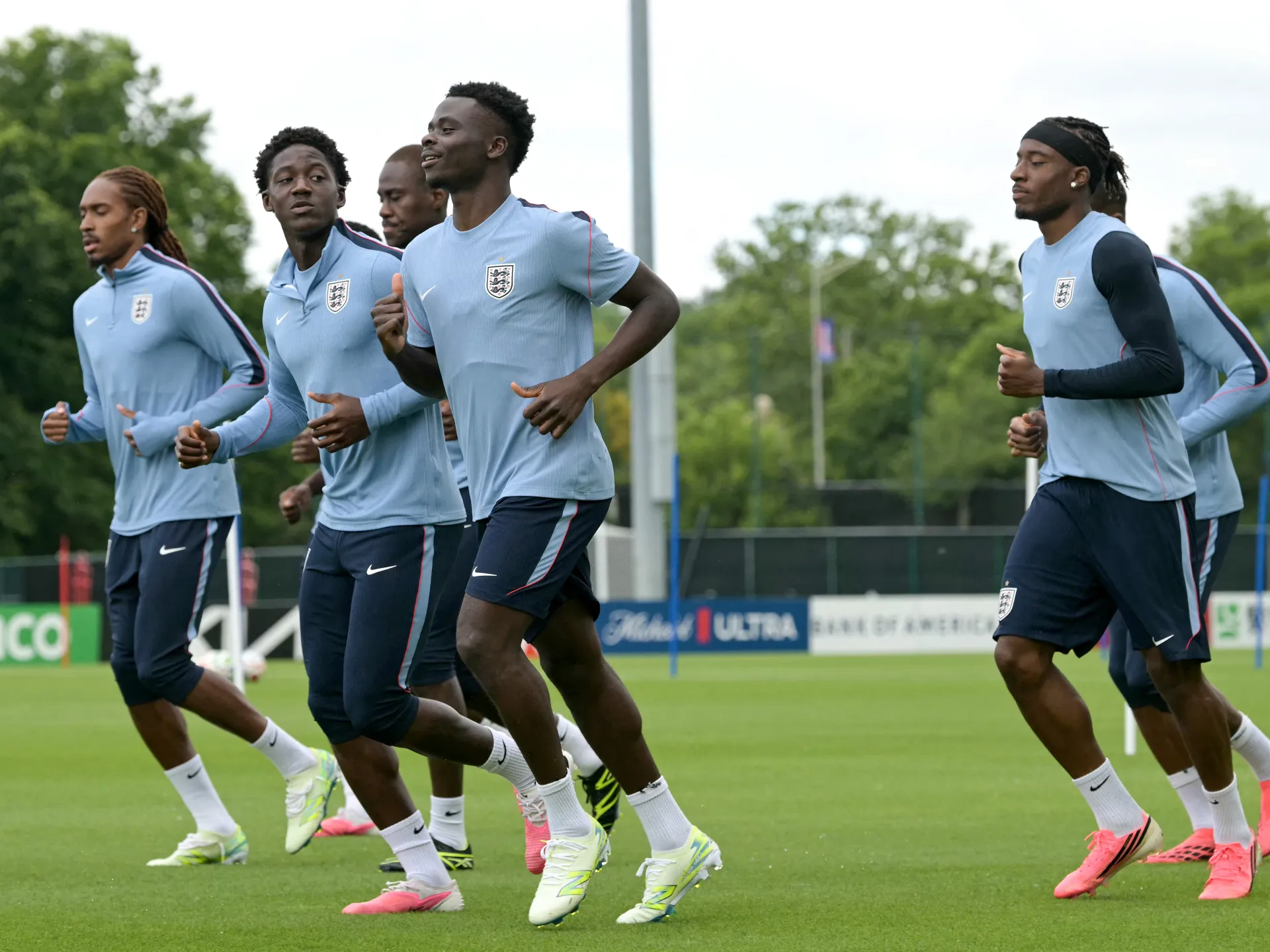
An opinion piece published by Al Jazeera on 23 June 2026 examines the England versus Ghana World Cup match through the lens of colonial history and diaspora identity. The article highlights the contrast between players like Kobbie Mainoo, who plays for England despite Ghanaian heritage, and those like Brandon Thomas-Asante and Antoine Semenyo, who represent Ghana.
The piece cites research from the University of Oxford’s Migration Observatory stating that 23.6 per cent of the 1,248 players selected for the 2026 World Cup were born in a different country than the one they represent. This figure represents a significant increase from the 2006 World Cup, where less than 9 per cent of players represented a country other than their birth country.
The article notes that as of June 2026, 127 Black players have debuted for England, following Rio Ngumoha’s debut against New Zealand in Tampa. The author references specific historical milestones, including Viv Anderson becoming the first Black England player in 1978 and Paul Ince becoming the first Black captain in June 1993.
The 2026 World Cup is being held in North America, with matches taking place in venues such as the Dallas Cowboys’ stadium in Texas and Los Angeles. Defending champions Argentina defeated Austria 2-0 in the round of 32, with Lionel Messi scoring twice to become the all-time leading scorer in men's World Cup history with 17 goals.
The United States defeated Paraguay 4-1 in the Group D opener in Los Angeles, with Folarin Balogun scoring two goals. The article references the 1994 World Cup, where Nigeria shocked the world, and the 1998 World Cup, where England lost to Argentina and Nigeria lost to Denmark.
Morocco reached the 2022 World Cup semifinals, becoming the first African nation to do so, aided by diaspora talent and the King Mohammed VI academy. The text discusses the experiences of Black British footballers and the changing dynamics of international football eligibility.