Displacement leaves West Bank families facing debt and eviction
More than 33,000 Palestinians were displaced from three refugee camps in early 2025. UNRWA says funding shortages are constraining support as families struggle to pay for housing, food and medical care.

Palestinian families displaced from the Jenin, Nur Shams and Tulkarem refugee camps remain unable to return, more than 20 months after Israeli forces emptied the camps during a military operation. Reporting by Al Jazeera documents mounting debt, eviction threats and barriers to work and healthcare among families in Tulkarem.
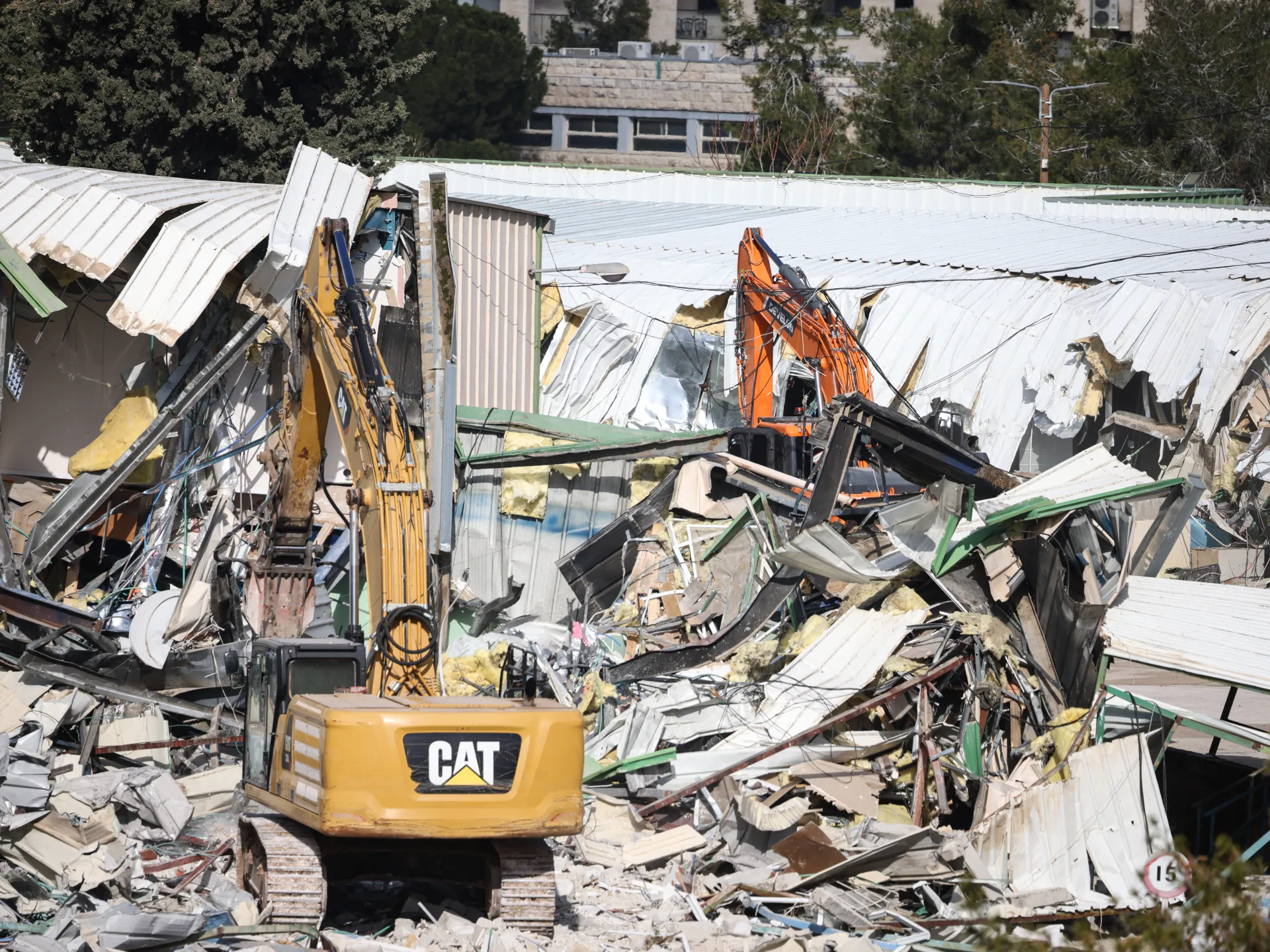
UNRWA says more than 33,000 people were displaced. Satellite imagery cited by the agency shows 20 per cent of buildings across the three camps destroyed and a further 28 per cent damaged. The Israeli military said the camps were emptied for “operational security”; UNRWA says residents should be allowed to return and the camps rebuilt.
In Tulkarem, Hakim Mar’i told Al Jazeera he cannot work because of a serious leg injury and cannot afford treatment. His family has moved four times since January 2025, owes money to local shops and faces possible eviction from temporary accommodation.
Khadija Zbeidat’s family, also displaced from Tulkarem camp, faces eviction from a room shared by nine relatives. The family relies on shop credit for food, while the property owner has asked them to leave.
UNRWA’s West Bank affairs director, Roland Friedrich, said 85 per cent of displaced people have no regular income and more than 80 per cent are renting. He said funding shortages have forced the agency to target assistance, leaving thousands without support, while its teams have observed increased anxiety and depression among displaced children.
Friedrich said the camps’ closed military zone is renewed every two months, with no indication of when residents may return. The source report identifies no return date or reconstruction plan.