North Kordofan displacement: Families seek refuge in El Obeid
Thousands of families have fled active fighting in North Kordofan State, moving towards El Obeid as the humanitarian situation deteriorates for mothers and children.
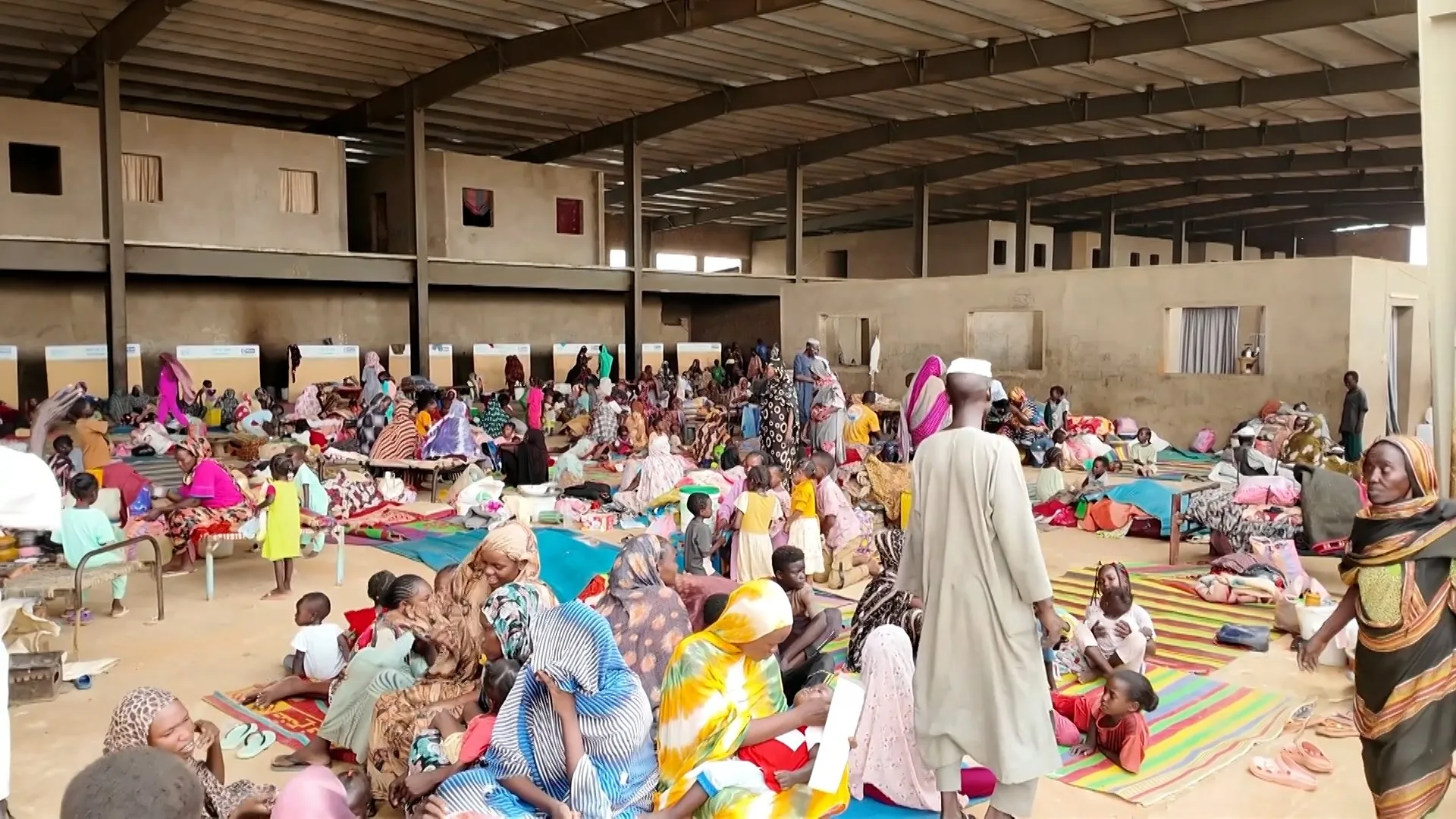
Active fighting in Sudan’s North Kordofan State has forced thousands of families to flee their homes, according to a report by Al Jazeera Global News. The displacement has created a significant humanitarian strain in the conflict-stricken region, with residents moving towards the city of El Obeid in search of relative safety.
The scale of the exodus is described as involving thousands of households, though a precise figure has not been provided. As families relocate, the immediate pressure on local resources and security infrastructure in the destination areas is expected to intensify.
Mothers and children are identified as being in dire need of food and safety. The report highlights the vulnerability of these groups within the broader displacement crisis, underscoring the urgent requirement for basic necessities and protection from further conflict.
The movement towards El Obeid reflects a pattern of internal displacement driven by the ongoing instability in the Kordofan region. While El Obeid is characterised as a place of relative safety, the subjective nature of this assessment remains a factor in the evolving security landscape.
This development is part of the broader conflict impacting the Kordofan region, which continues to drive population movements and strain humanitarian responses. The lack of a detailed timeline for the specific fighting leading to this displacement adds a layer of uncertainty to the immediate operational response.
The situation underscores the governance challenges faced in managing internal displacement, where the intersection of security needs and humanitarian aid requires coordinated institutional action.