Freedom 250 Grand Prix marks a new chapter in US governance and sport
The inaugural street race on the National Mall, established by executive order to commemorate the 250th anniversary of the United States, highlights the intersection of presidential initiative and logistical complexity.
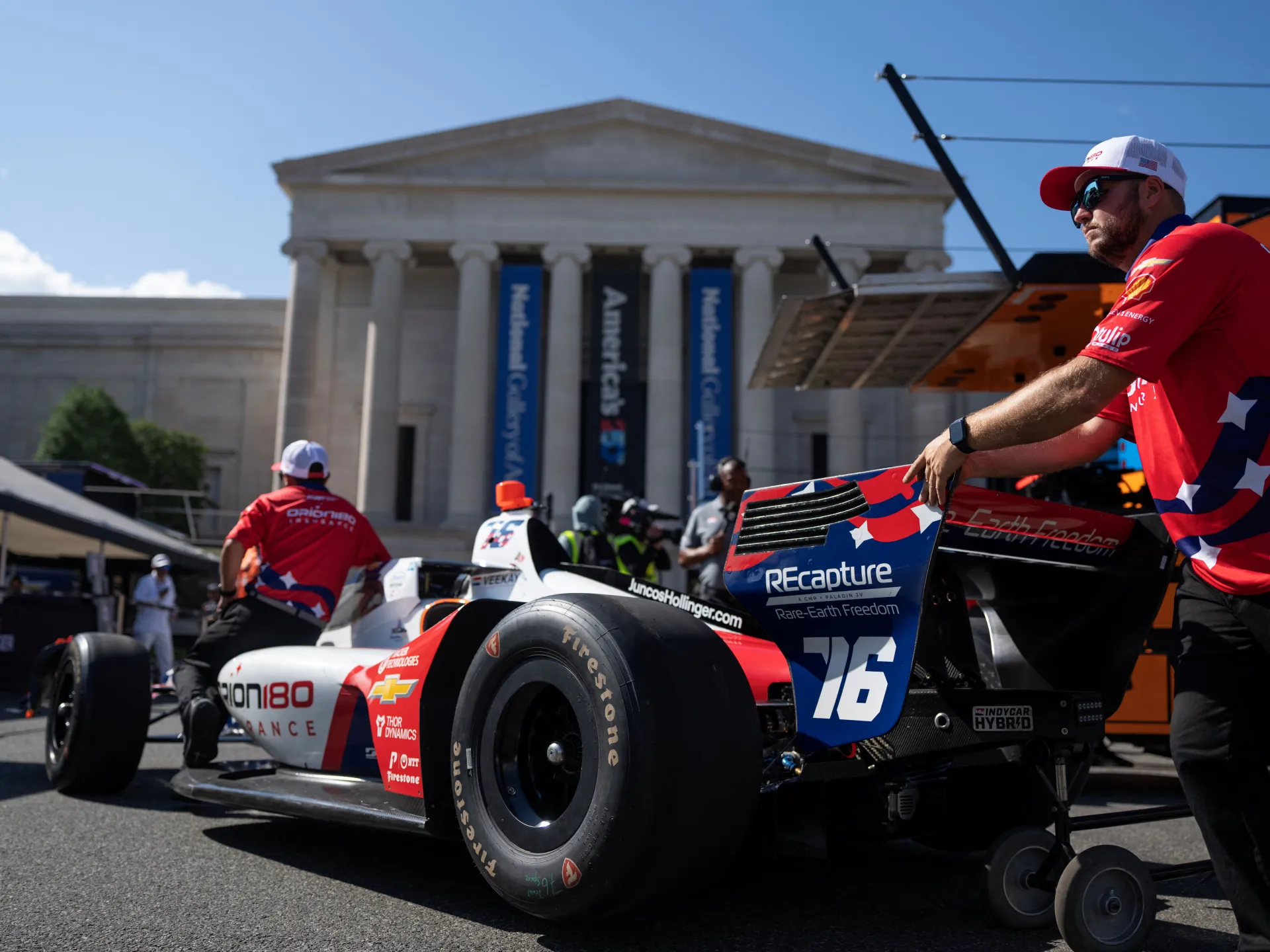
The Freedom 250 Grand Prix debuted in Washington, DC, marking the first automobile race held on the National Mall. Established by US President Donald Trump via executive order, the event was designed to commemorate the 250th anniversary of the United States, reframing a sporting contest as a significant institutional milestone.
The race utilised a temporary 2.7km, seven-turn street circuit that winds past prominent landmarks, including the Washington Monument, the US Capitol, the National Gallery of Art, and the Smithsonian National Air and Space Museum. This logistical undertaking required 1,350 pages of permits to build, a volume of paperwork that stands in stark contrast to similar street racing projects in other US cities.
Spain’s Alex Palou, the current championship leader, secured pole position with a qualifying lap of 56.899 seconds. Palou enters the race leading the standings with 542 points, while Kyle Kirkwood sits second with 409 points. The field of 25 drivers contested 147 laps over a total distance of 400km, making it the second-longest street race in IndyCar history.
Drivers tested open-wheel cars at speeds of up to 298 kilometres per hour during practice sessions on Saturday. The event’s scale and location have drawn attention to the administrative efforts required to host high-speed motorsport in the heart of the capital, with organisers noting the significant barriers and bureaucratic processes involved.
Organisers expected up to 100,000 spectators to attend the event, including President Trump. While the primary focus was on the competitive aspect, the race also served as a public display of the government’s capacity to manage large-scale events within the federal capital.
The Freedom 250 Grand Prix represents a notable shift in how national anniversaries are celebrated, blending traditional sporting competition with the symbolic weight of presidential policy. As the race concluded, the event underscored the ongoing dialogue between governance, logistics, and public engagement in the United States.