Ninety dead in Shanxi coal mine blast as operator faces safety probe
A gas explosion at a major coal facility in China’s Shanxi province has killed at least 90 workers, with nine still missing. Emergency crews continue to search for survivors as authorities move to hold the mine’s management accountable for systemic safety failures.
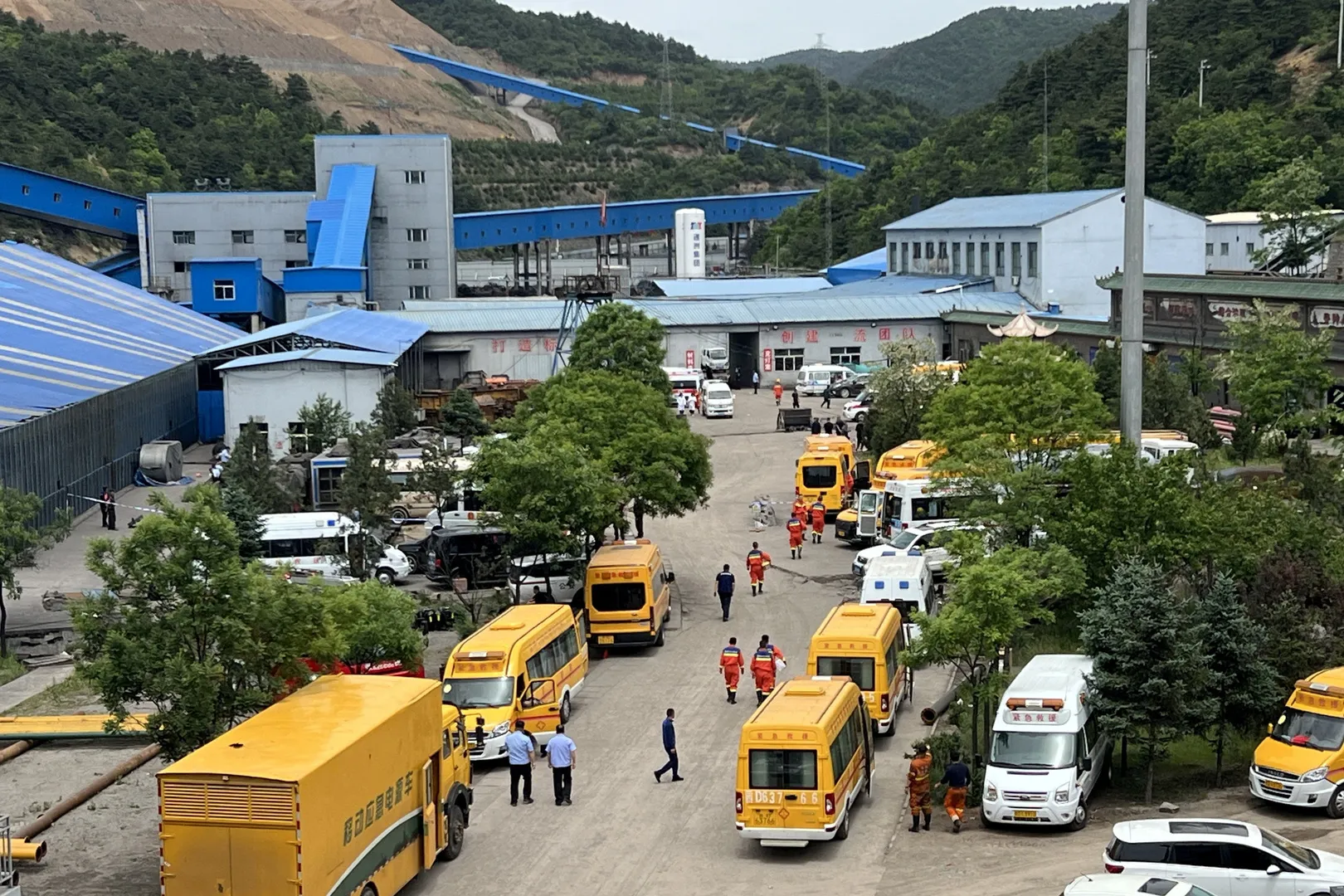
A gas explosion at the Liushenyu coal mine in Qinyuan county, Shanxi province, has killed at least 90 workers and left nine others missing. The blast occurred on Friday while 247 personnel were underground, shortly after a carbon monoxide alert was issued. Rescue operations remain ongoing as emergency crews search for survivors, with the final death toll expected to rise.
The incident has triggered a direct response from authorities, with the mine’s oversight chief arrested in connection with the disaster. The Liushenyu Coal Mine is managed by the Tongzhou Group, which is now under investigation for safety failures. Video footage from the scene showed ambulances gathered near the mine as the emergency response unfolded, highlighting the scale of the tragedy.
Shanxi province is a major coal-producing region in China, and mining accidents remain a significant concern within the industry. China’s coal mines have historically been considered among the deadliest in the world due to poor safety standards, weak regulation, and corruption as companies seek profit from the country’s rapidly expanding economy. The operator is facing intense scrutiny as the scale of the tragedy becomes clearer.
Initial reports indicate that the explosion was preceded by a carbon monoxide alert, though the exact cause of the gas ignition is still under investigation. The arrest of the oversight chief and the probe into the Tongzhou Group suggest a move toward accountability for the safety failures that led to the disaster. The full extent of corporate liability is yet to be determined.
As rescue efforts continue, the incident underscores the persistent challenges within China’s coal sector. Industry issues including poor safety standards and weak regulation have long plagued the sector, with corruption driven by profit motives often cited as a contributing factor. The current inquiry aims to address these systemic issues and prevent future occurrences.