New Mexico Attorney General finds ‘substantial racial disparities’ in school discipline
A 47-page report by the state’s Department of Justice recommends restorative justice practices and stronger oversight following an investigation into exclusionary punishment.
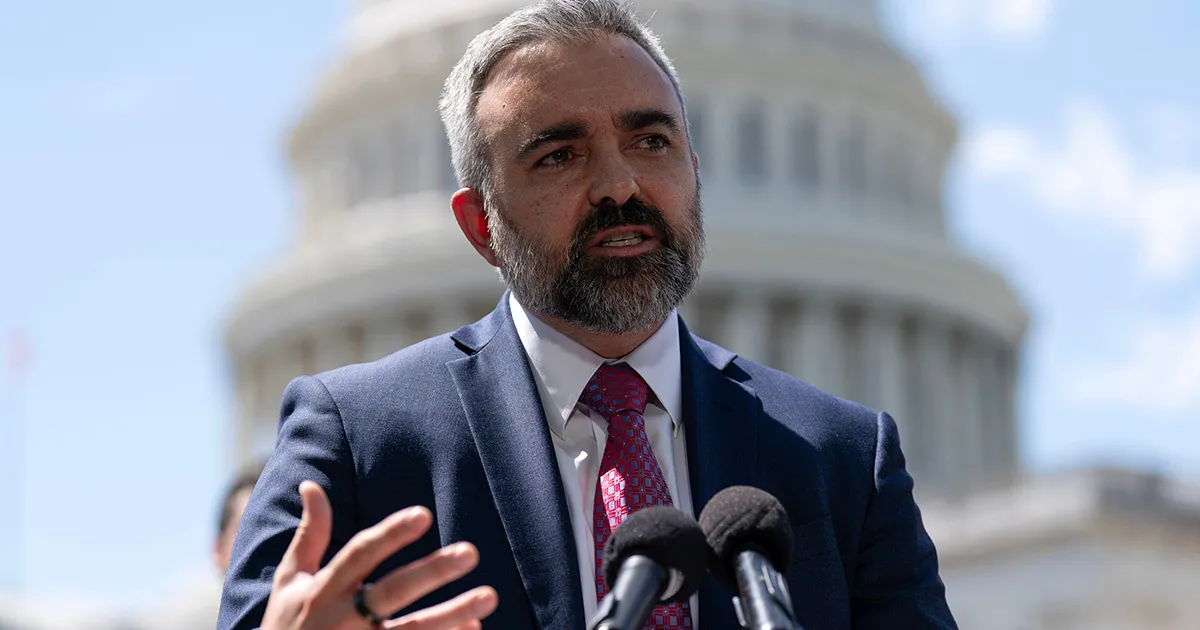
The New Mexico Attorney General’s office has released a report detailing substantial racial disparities in disciplinary actions at Gallup-McKinley County Schools, finding that Indigenous and Hispanic students are suspended and expelled at significantly higher rates than their white classmates for similar infractions. The 47-page document, released by the state’s Department of Justice, states that Indigenous students lose eight to 10 times more classroom days to suspensions than white students, while Hispanic students lose three to four times as many.
Gallup-McKinley is a sprawling district straddling part of the Navajo Nation and holds the largest Native American student population of any public school district in the country. The investigation was ordered by Attorney General Raúl Torrez in 2023, following reporting by ProPublica and New Mexico In Depth that exposed high rates of harsh punishment for Native and Hispanic children. At the time, the news organisations found that Native students in New Mexico were expelled far more often than any other group, with the district accounting for at least three-quarters of Native student expulsions during the four school years ending in 2020.
The report criticises the district’s previous leadership for denying the existence of these disparities. Former Superintendent Mike Hyatt had called the initial reporting “completely false” and attributed the findings to data entry errors and a broad definition of expulsion. Investigators rejected this explanation, noting that Hyatt has since retired. The report also highlighted data inconsistencies, finding that in 2023 the district provided a contract auditor with discipline records that were “inexplicably different” from data reported to state and federal departments, with thousands of records missing.
Investigators have recommended that the district adopt restorative justice practices, such as talking circles, and clearly define infractions to limit suspensions. The report urges state lawmakers to strengthen oversight and provide educational services to suspended students. It also calls for the New Mexico Public Education Department to require that suspended students receive instruction while out of school. The department is currently reviewing the recommendations, according to spokesperson Janelle Garcia.
New Superintendent Jvanna Hanks II stated that the district is reviewing the report’s recommendations and prioritising community voices. Hanks wrote in an email that the district is using the report and current student data as part of its review, emphasising that students should be in school and treated fairly. The Navajo Nation Human Rights Commission released a similar report in March 2026 calling for reforms, including the use of talking circles, noting that neighbouring districts already utilise such alternatives.
Governor Michelle Lujan Grisham’s office defended her 2023 pocket veto of legislation that would have strengthened the Attorney General’s investigative powers. A spokesperson stated that it was unclear whether the proposed powers would have trumped federal student privacy protections. The report urges lawmakers to revisit the legislation to better identify and root out civil rights violations in school discipline.