NASA to preview mission extending Swift Observatory’s life
The Katalyst Space mission aims to raise the Neil Gehrels Swift Observatory’s altitude, countering orbital decay caused by solar activity after 21 years in space.
NASA will host an audio-only media teleconference on Wednesday, June 17, at 11 a.m. EDT to outline the Katalyst Space mission. The initiative seeks to extend the operational life of the Neil Gehrels Swift Observatory by boosting its orbit using a robotic servicing spacecraft named LINK.
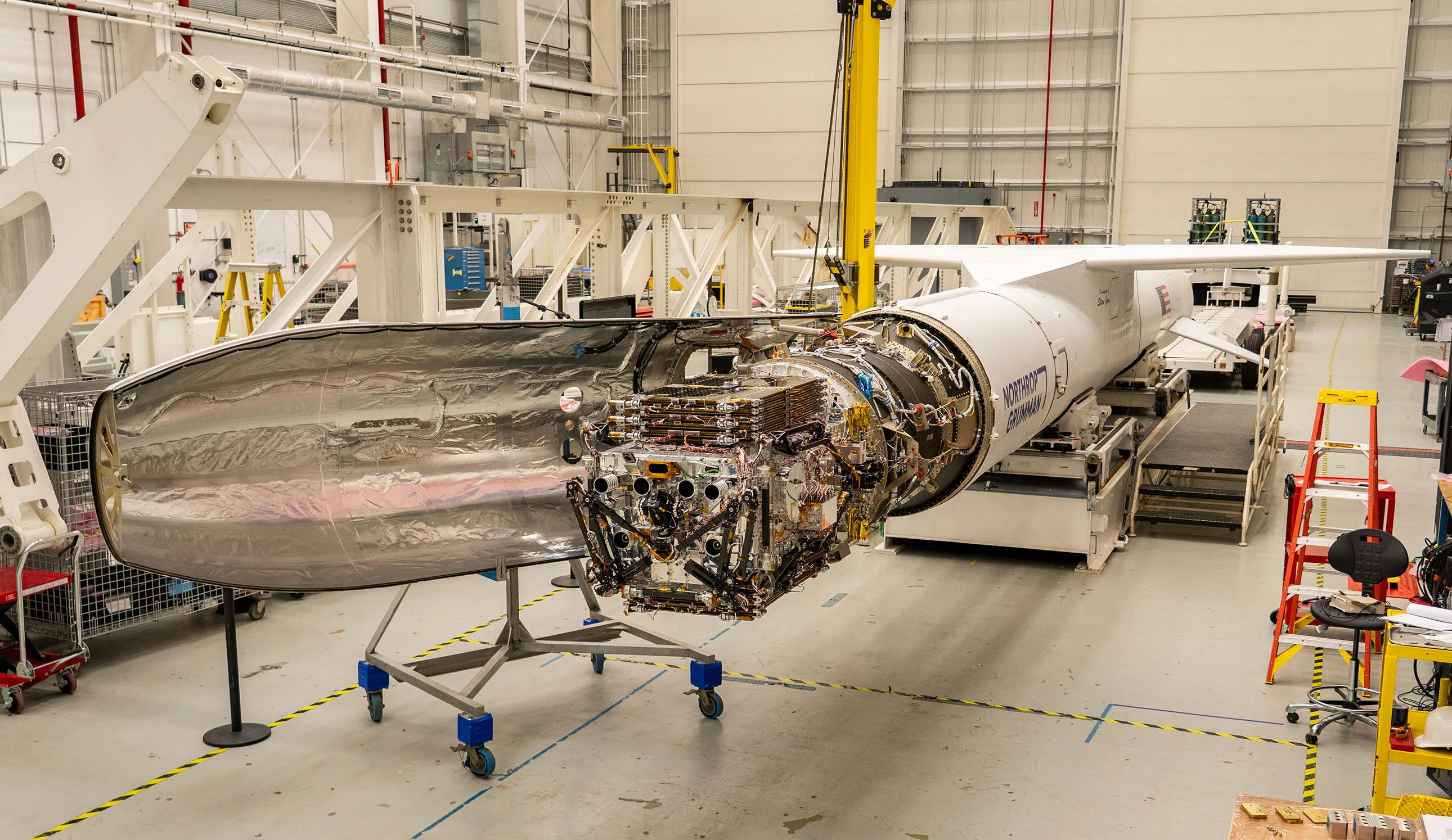
The LINK spacecraft is scheduled to launch later this month on a Northrop Grumman Pegasus XL rocket from Kwajalein Atoll in the Marshall Islands. The primary objective is to rendezvous with Swift and raise its altitude, thereby extending the observatory’s science mission lifespan.
Swift, which launched in 2004, leads NASA’s fleet of telescopes in studying high-energy cosmic events, such as gamma-ray bursts. It functions as a rapid-response dispatcher, providing critical data that allows other missions to follow up on sudden sky events.
After 21 years in space, Swift’s low Earth orbit has begun to decay rapidly due to increased solar activity. Rather than allowing the observatory to re-enter Earth’s atmosphere, NASA is utilising this situation to demonstrate key capabilities for future U.S. spacecraft servicing technology.
NASA awarded the contract to Katalyst in September 2025 to mount the robotic servicing mission in less than a year. The mission is targeted for launch in June from Kwajalein Atoll.
Media interested in participating in the teleconference by phone must RSVP no later than two hours before the start time to Amy Barra at [email protected]. Audio of the call will stream on NASA’s website.
Karen Fox and Alise Fisher from NASA Headquarters, along with Amy Barra from Wallops Flight Facility, are the primary media contacts for this announcement.