NASA runs final five-hour countdown test for Artemis III
The terminal countdown simulation at Kennedy Space Centre validates critical systems in low Earth orbit ahead of future lunar landings.
NASA’s Exploration Ground Systems team has completed a terminal countdown simulation for the Artemis III mission at the Rocco A. Petrone Launch Control Centre in Florida. The exercise, conducted on 6 August 2026, focused on the final stages of the launch sequence to ensure operational readiness for the upcoming mission.
The simulation covered the final five hours of the launch countdown, a period that includes the terminal count. This specific phase is defined as the remaining 10 minutes before liftoff, representing the most critical window for verifying system performance and crew protocols.
Artemis III is designed to carry out a series of objectives in low Earth orbit. These missions are intended to demonstrate the critical systems required for future lunar landings, with the programme’s broader goals beginning with Artemis IV. The successful execution of these low Earth orbit tests is a prerequisite for the more complex lunar surface operations planned for subsequent missions.
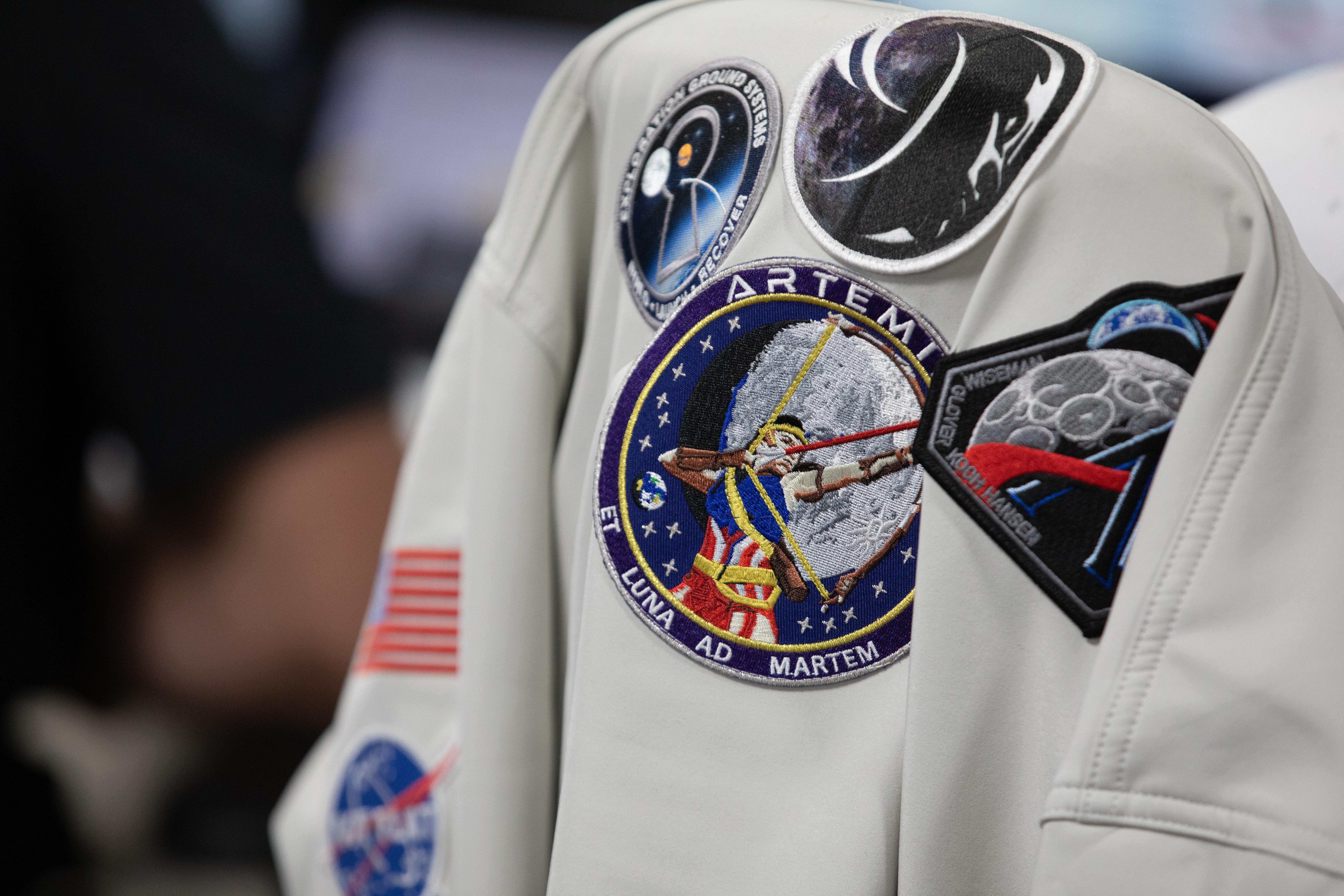
The simulation took place inside the Rocco A. Petrone Launch Control Centre at NASA’s Kennedy Space Centre. During the exercise, a jacket decorated with Artemis I and II mission patches, along with other NASA insignia, was displayed on the back of a chair in the control room, serving as a visual reminder of the programme’s progression.
This latest test marks a significant step in the Artemis programme’s timeline. By validating the terminal count procedures, NASA aims to refine the coordination between ground systems and spacecraft operations. The focus remains on ensuring that the infrastructure in low Earth orbit is fully capable of supporting the transition to lunar exploration.
While the simulation confirms the technical viability of the countdown sequence, the mission’s primary objective remains the demonstration of systems necessary for the long-term lunar programme. The results of this exercise will inform the final preparations for the Artemis III launch, which is a key milestone before the agency proceeds to Artemis IV.