NASA Kennedy Upgrades Facility for Roman Space Telescope Arrival
The 40-year-old complex is being refined to handle the sensitive requirements of the Nancy Grace Roman Space Telescope, which will be launched aboard a SpaceX Falcon Heavy rocket.
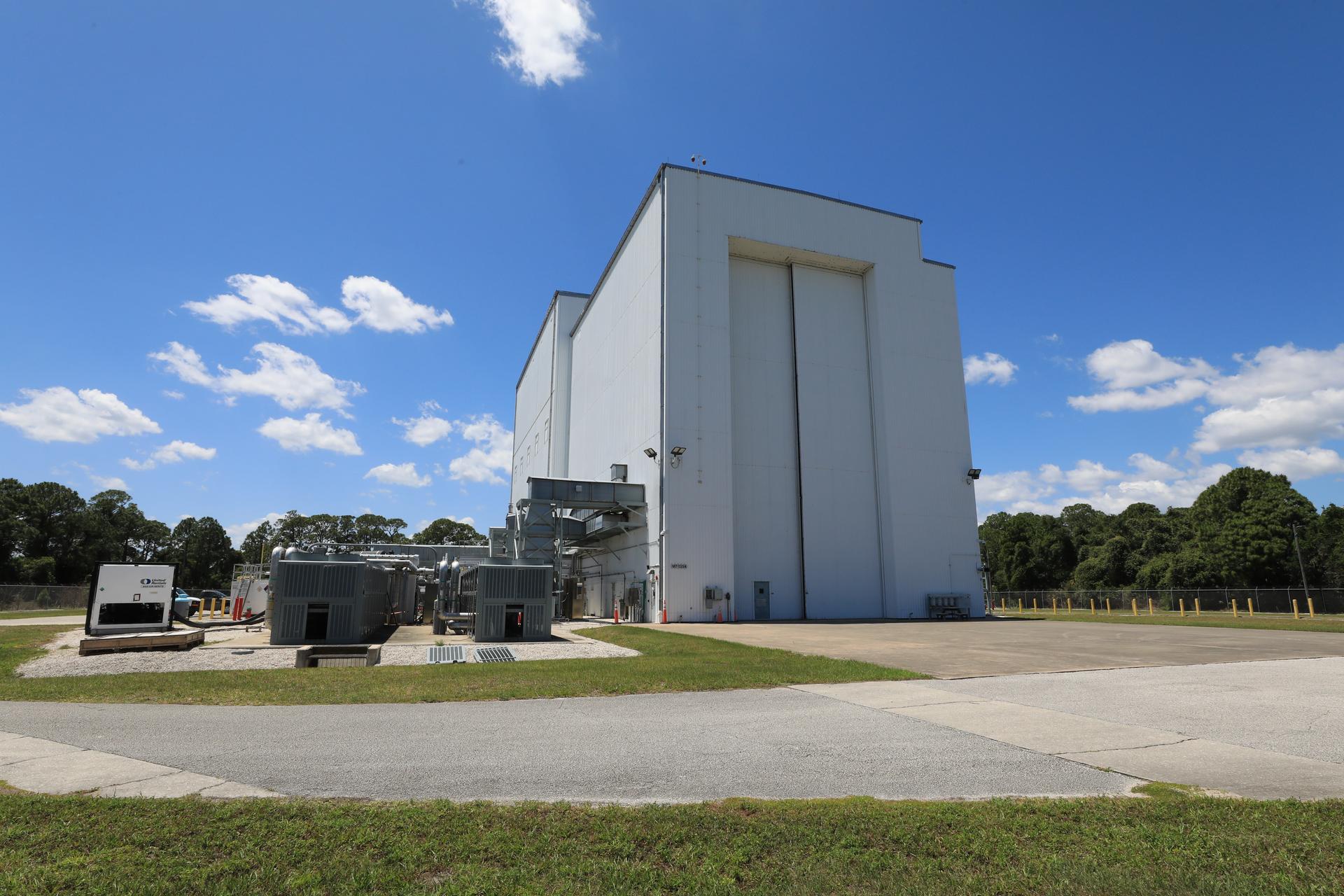
Preparations are underway at NASA Kennedy Space Center to receive the Nancy Grace Roman Space Telescope, scheduled for launch in early September 2026. The mission will depart from Launch Complex 39A aboard a SpaceX Falcon Heavy rocket, carrying a survey instrument designed to revolutionise our understanding of the universe. Before reaching the launch pad, the telescope will undergo final inspections, checkouts, and fueling at the Payload Hazardous Servicing Facility (PHSF).
The PHSF, a dual-use complex established in 1986 during the Space Shuttle Program, has undergone significant upgrades to meet the rigorous demands of the Roman mission. While the facility is currently certified to ISO Class 8 clean room standards, the team is replacing the air-shower system to achieve ISO Class 7 standards. This modification involves a new high-velocity HEPA-filtered air system and a HEPA filtration wall to ensure the environment remains free of microscopic particles that could interfere with the spacecraft's instruments.
Climate control within the facility is also being enhanced to manage the challenges of Florida's hot and humid environment. The HVAC system is being upgraded with new chiller coils to maintain a temperature of approximately 70°F, with relative humidity kept between 30% and 60%. This precise control is vital to prevent corrosion caused by excess moisture or the generation of static electricity due to low humidity, while also ensuring the comfort of technicians working in protective garments that trap body heat.
Attention to detail extends to the facility's heavy machinery as well. The 15-ton bridge crane, used to lift spacecraft hardware, has been repainted specifically to prevent paint chips from becoming airborne foreign object debris. Even small fragments of paint could settle on sensitive hardware and cause mechanical interference, so every potential source of contamination is being mitigated to ensure the highest probability of launch success.
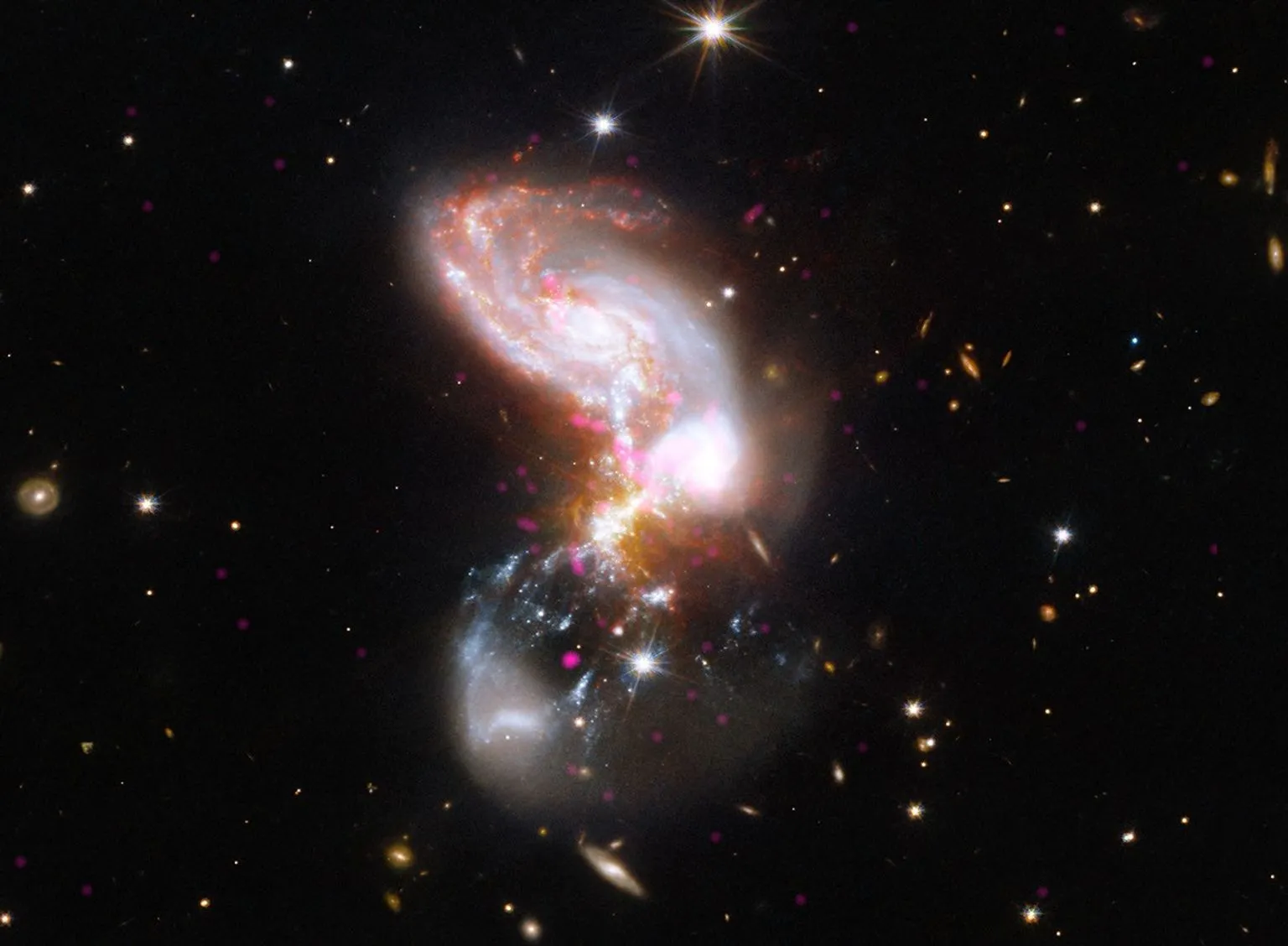
The Roman Space Telescope will operate in collaboration with the James Webb Space Telescope and Hubble, offering a field of view 100 times larger than Webb and up to 200 times larger than Hubble. Once the telescope arrives, the facility will conduct final operations including thermal protection closeout, cleaning, solar array work, and the loading of hydrazine propellant. These procedures reflect the careful balance required between hazardous fueling operations and delicate contamination control.
Since 1998, NASA's Launch Services Program has managed 16 launches at the PHSF, including the Mars 2020 Perseverance Rover and the Europa Clipper spacecraft. As the Roman mission prepares to take flight, the facility stands ready to support this ambitious survey mission, combining commercial rocket capabilities with NASA's scientific spacecraft to explore dark energy and exoplanets.