NASA Johnson Leaders Recognised for Pivotal Roles in Human Spaceflight Milestones
Two Johnson Space Center executives received prestigious awards from the National Space Club & Foundation following the historic completion of the Artemis II mission and the International Space Station's 25th anniversary of continuous habitation.
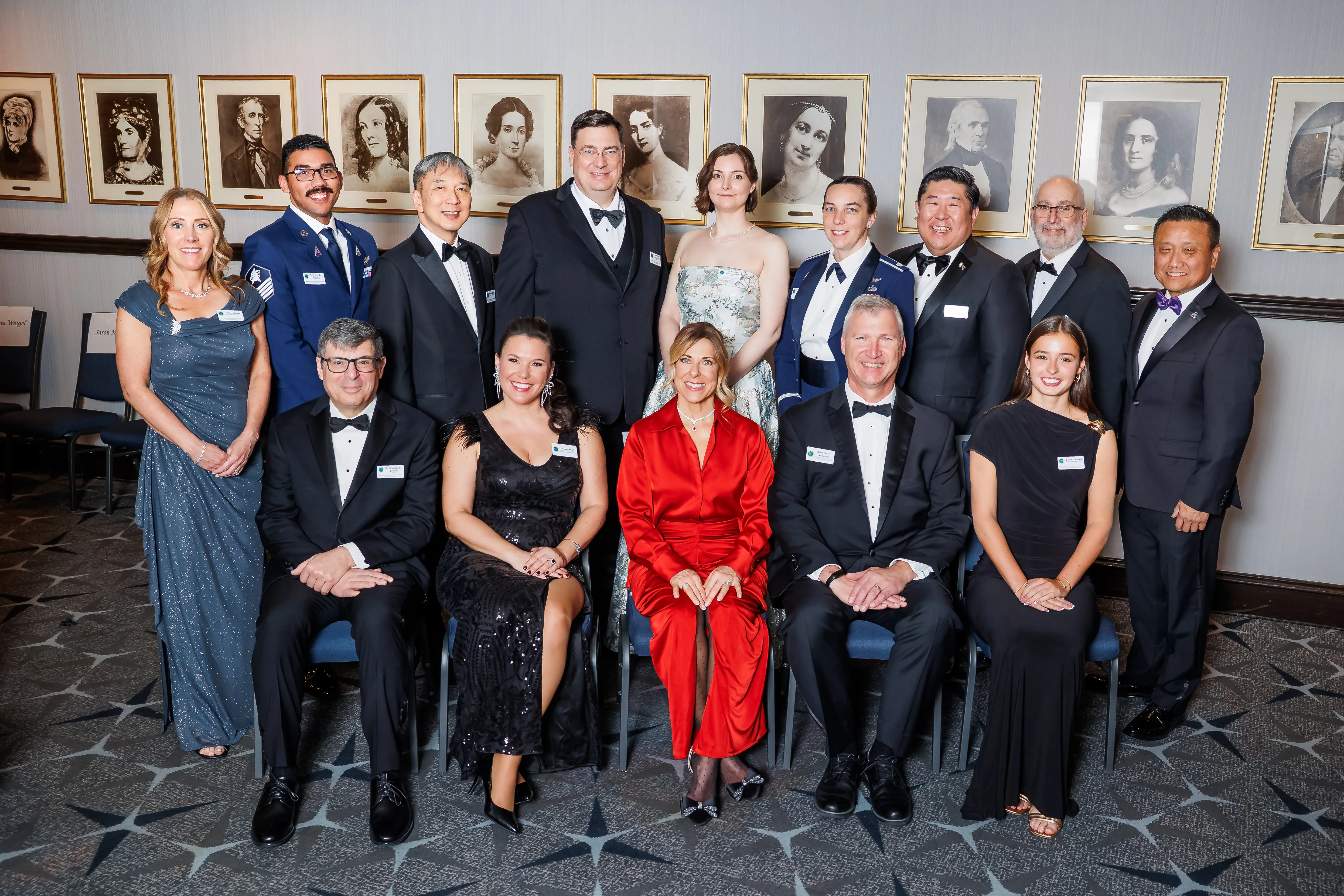
On 13 March 2026, the National Space Club & Foundation presented its annual awards at the 69th Annual Robert H. Goddard Memorial Dinner in Washington, D.C. The ceremony recognised two senior leaders from NASA's Johnson Space Center for their distinct contributions to advancing human spaceflight capabilities. Howard Hu was awarded the Norman L. Baker Astronautics Engineer Award, while Dana Weigel received the Eagle Manned Mission Award.
Hu's accolade acknowledges his sustained technical leadership in the design, development, and operations of the Orion spacecraft. His work was central to the Artemis II mission, which launched on 1 April 2026. The crew successfully completed a 10-day voyage around the Moon, returning to Earth on 10 April 2026 after splashing down safely in the Pacific Ocean off the coast of San Diego.
During the mission, the spacecraft and crew reached a record-breaking distance of 252,756 miles from Earth. This achievement marked the greatest distance ever travelled by humans in space. The flight also successfully validated critical life support systems with astronauts aboard, providing essential data to refine operations for future Artemis missions.
Following the success of Artemis II, NASA and its partners are now directing their focus toward Artemis III. This upcoming mission will test integrated operations between the Orion spacecraft and the human landing system in lunar orbit, furthering plans to return astronauts to the Moon.
Weigel was honoured for her leadership of the International Space Station, which recently celebrated a historic milestone on 2 November 2025. The station marked 25 years of continuous human habitation, underscoring its enduring role as a laboratory for research that cannot be conducted on Earth.
The orbiting facility continues to serve as a vital testbed for future commercial destinations in low Earth orbit and for deep space exploration. It supports both the Artemis missions and long-term plans for human travel to Mars, maintaining a legacy of innovation that spans more than two decades.
Both honourees were selected by panels comprising experts from industry, government, and academia. Their recognition highlights the technical excellence and leadership required to advance aerospace interests and national goals in human space exploration.