NASA highlights technical career pathways at Langley Research Center
The event featured facility tours, hands-on demonstrations, and a panel discussion moderated by astronaut Joe Acaba to showcase the critical role of technicians in the agency’s workforce.
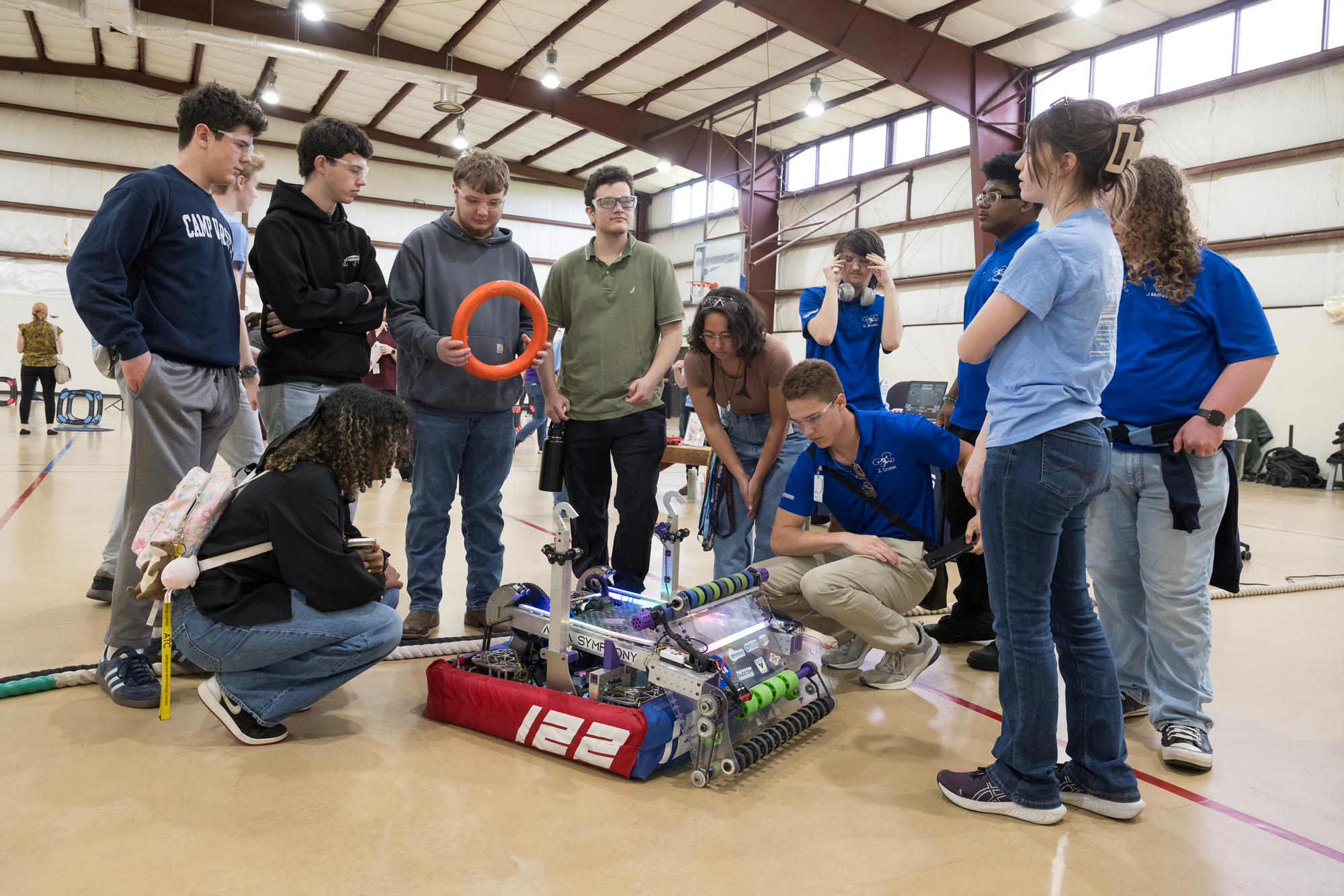
NASA’s Office of STEM Engagement recently hosted Career Technical Education Day at the Langley Research Center in Hampton, Virginia, aiming to broaden the perception of technical careers within the agency. Approximately 100 high school and community college students from Virginia and North Carolina attended the event, which was designed to highlight the vital contributions of technicians to NASA’s research and mission operations.
Bonnie Murray, lead for the Office of STEM Engagement at NASA Langley, noted that many students view the agency solely through the lens of astronauts or engineers, often overlooking technical roles as viable career options. The initiative sought to correct this by allowing students to observe technicians at work, hear about their career trajectories, and understand how the skills developed in their local education programs apply directly to the NASA workforce.
The day began with remarks from Steve Gayle, acting associate director at NASA Langley, who outlined his own progression from an engineering technician co-op to his current leadership position. Gayle emphasised the necessity of skilled, hands-on professionals who operate wind tunnels, work in fabrication shops, and utilise electronics knowledge to design and test critical systems. He encouraged the attendees to embrace challenges and think critically as they navigate their own professional paths.
Participants were given behind-the-scenes access to several of Langley’s facilities, including the historic Landing and Impact Research Facility and one of the centre’s wind tunnels. Throughout the tours, technicians provided insights into the spaces where tools and technologies are built and refined. Interactive activities and demonstrations led by NASA technicians and aerospace industry partners helped students connect their classroom experiences with real-world applications, ranging from fabrication techniques to instrumentation.
The event concluded with a career panel moderated by Joe Acaba, associate director of mission and strategy at NASA’s Johnson Space Center and a former math and science teacher. The panel included four Langley technician apprentices, such as mechanical engineering technician apprentice Wyatt Healy, who discussed the importance of foundational skills in software, systems, and everyday items. Healy noted that a strong grasp of these fundamentals makes learning advanced concepts easier and opens up significant career possibilities.
By connecting students with NASA professionals and facilities, the event underscored the agency’s commitment to cultivating the next generation of technical talent. The initiative aligns with NASA’s broader strategy to maintain its status as a global leader in exploration and innovation by ensuring a dedicated and skilled workforce capable of supporting future missions.