NASA and PickNik advance robotic intelligence for lunar missions and commercial use
The Boulder-based robotics firm utilised early NASA funding to refine algorithms that have since been adopted by major manufacturers and construction firms.
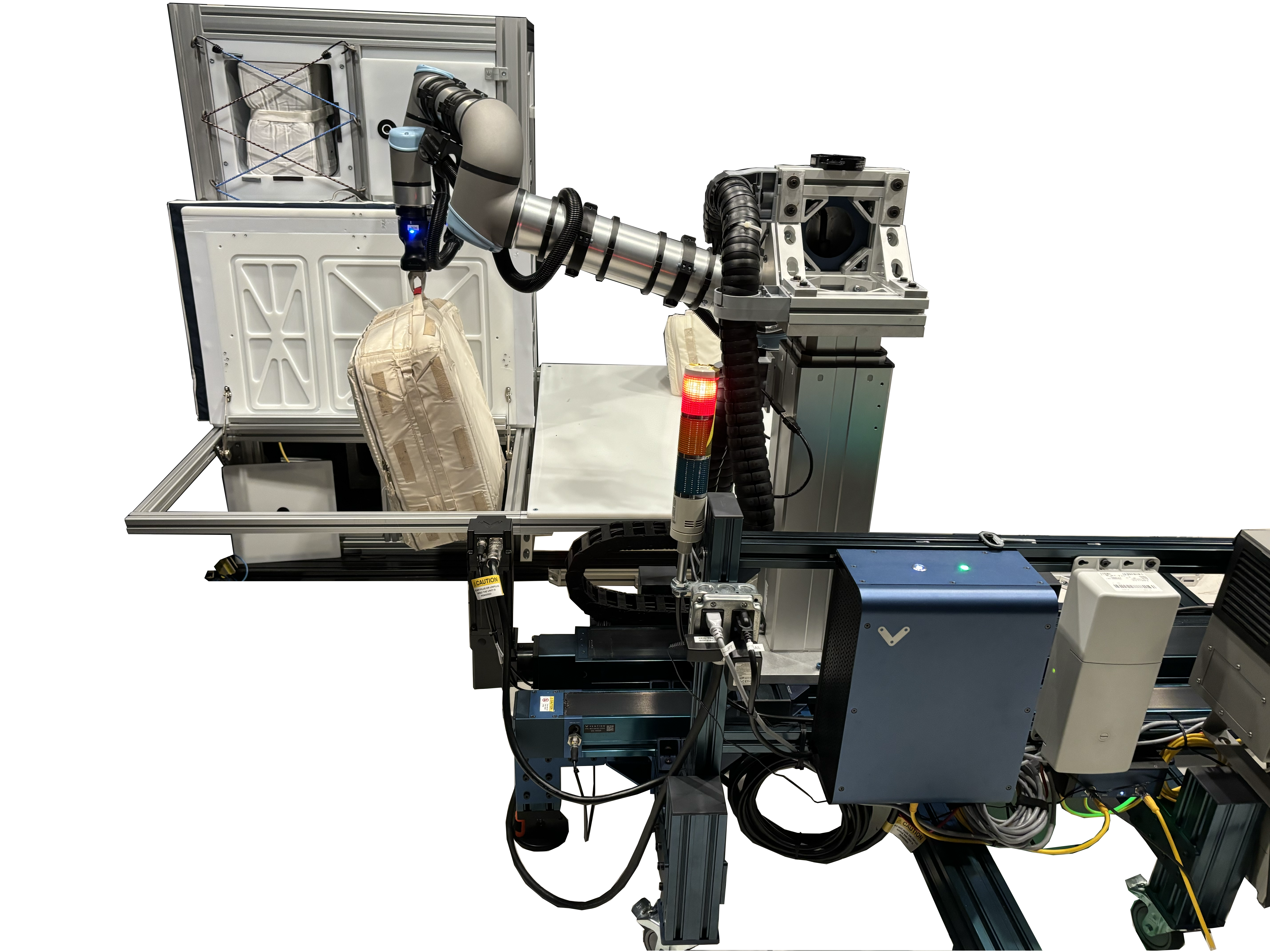
NASA has partnered with Boulder, Colorado-based robotics firm PickNik Inc. to develop advanced robotic intelligence technologies, specifically focusing on decision-making and object recognition for future long-term lunar missions. The collaboration aimed to overcome the complex challenges of robotic motion control by refining MoveIt Pro, a software platform that enables robotic arms to perform intricate tasks such as recognising spacecraft hatches and transferring cargo.
The testing phase was conducted at NASA’s Johnson Space Center in Houston using the Integrated Mobile Evaluation Testbed for Robotics Operations. During the demonstration, a robotic arm successfully recognised a spacecraft hatch, turned the latch, grasped the handle, opened the door, and transferred cargo bags between the hatch and a bin. This work was funded through NASA’s Small Business Innovation Research program, providing essential support for the refinement of robotic algorithms.
Ezra Brooks, principal software engineer at PickNik, noted that the 35-person company might not have a viable product without NASA’s early support. He emphasised that robotic software requires years of research and development to refine algorithms and create a commercial product, with NASA enabling much of that foundational work. Shaun Azimi, who leads the Dexterous Robotics team at Johnson Space Center, collaborated with PickNik and other agency roboticists on the project.
MoveIt Pro was commercially released in 2023 and has since been adopted by a significant customer base across various industries. Automotive manufacturer BMW is using the software on its robotic assembly lines, while Lightspeed utilises it to program large robotic arms for constructing modular housing panels. Additionally, Hivebotics has employed MoveIt Pro to automate its flagship cleaning robot.
The initiative aligns with NASA’s broader strategy to utilise robots for routine tasks on the Moon, allowing crew members to dedicate more time to science and exploration. This partnership highlights the agency’s long-standing history of documenting the everyday benefits of space technology through its Spinoff publication, a tradition that has continued for 50 years.