Moscow petrol crisis deepens as capital marks Flag Day
Refining bottlenecks and drone strikes have triggered a second wave of fuel shortages, prompting the government to import petrol and revive a lower-grade fuel standard.
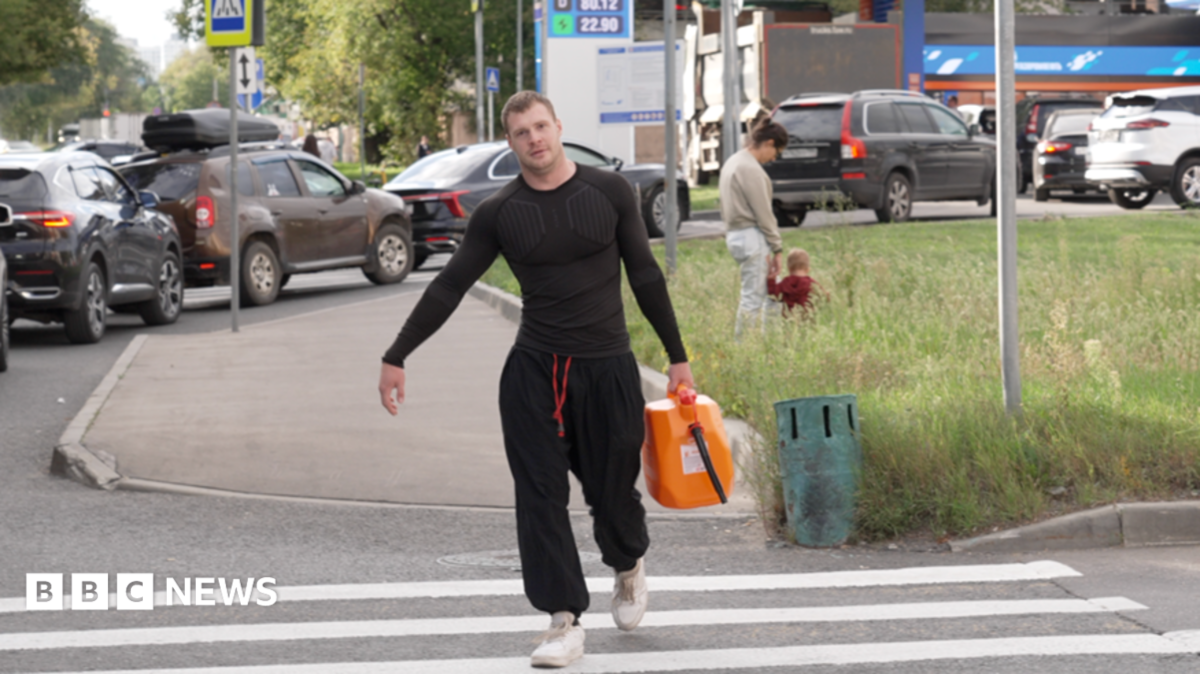
Drivers in Moscow are facing extended waits at fuel stations as a second wave of the country’s petrol crisis intensifies. Russian officials have attributed the supply disruptions to “unscheduled repairs” at oil refineries, a consequence of Ukrainian drone strikes on energy infrastructure. The broadsheet Nezavisimaya Gazeta declared this week that the crisis is building, noting that queues in the capital are longer than those experienced earlier this summer.
The government has implemented two primary measures to alleviate the shortage. Russia has begun importing petrol, a notable policy shift for a nation widely recognised as an energy superpower and a leading exporter of crude oil. Additionally, authorities have temporarily authorised the production and sale of lower-grade Euro 2 petrol, a standard previously banned in 2013.
Euro 2 fuel contains up to 50 times more sulphur than modern Euro 5 fuel. According to the government newspaper Rossiyskaya Gazeta, regular use of this lower-grade petrol can increase pressure on fuel injectors, spark plugs, oxygen sensors, catalytic converters, and soot filters. While the publication noted that a single re-fuelling would not kill an engine, it warned that the margin of safety is sharply reduced.
These logistical challenges coincide with Russian Flag Day celebrations in the capital. Local authorities have organised patriotic displays, street concerts, and exhibitions of military hardware, including Kalashnikovs and hand-held rocket launchers, for public viewing. Some residents view these festivities as disconnected from the growing economic anxiety caused by the war, while others cite the events as a source of unity.
President Vladimir Putin acknowledged that attacks on industrial facilities “do inflict damage,” but insisted there are “no critical consequences.” However, recent polling by the Public Opinion Foundation suggests that anxiety within Russian society is rising, contradicting the Kremlin’s message of calm. Columnist Andrei Kolesnikov of Novaya Gazeta described a disconnect between public sentiment and the government’s portrayal of reality.
The economic impact extends beyond fuel, with Ukrainian strikes on distribution centres of Wildberries, Russia’s largest online retailer, causing disruption for shoppers and sellers. As the war continues, referred to by the Kremlin as a “special military operation,” the strain on domestic infrastructure and public confidence remains a central governance issue.