Moscow declares unilateral ceasefire ahead of Victory Day parade rehearsals
The Kremlin's decision to pause fighting coincides with preparations for the annual military display, though details on the scope of the Russian order remain unclear.
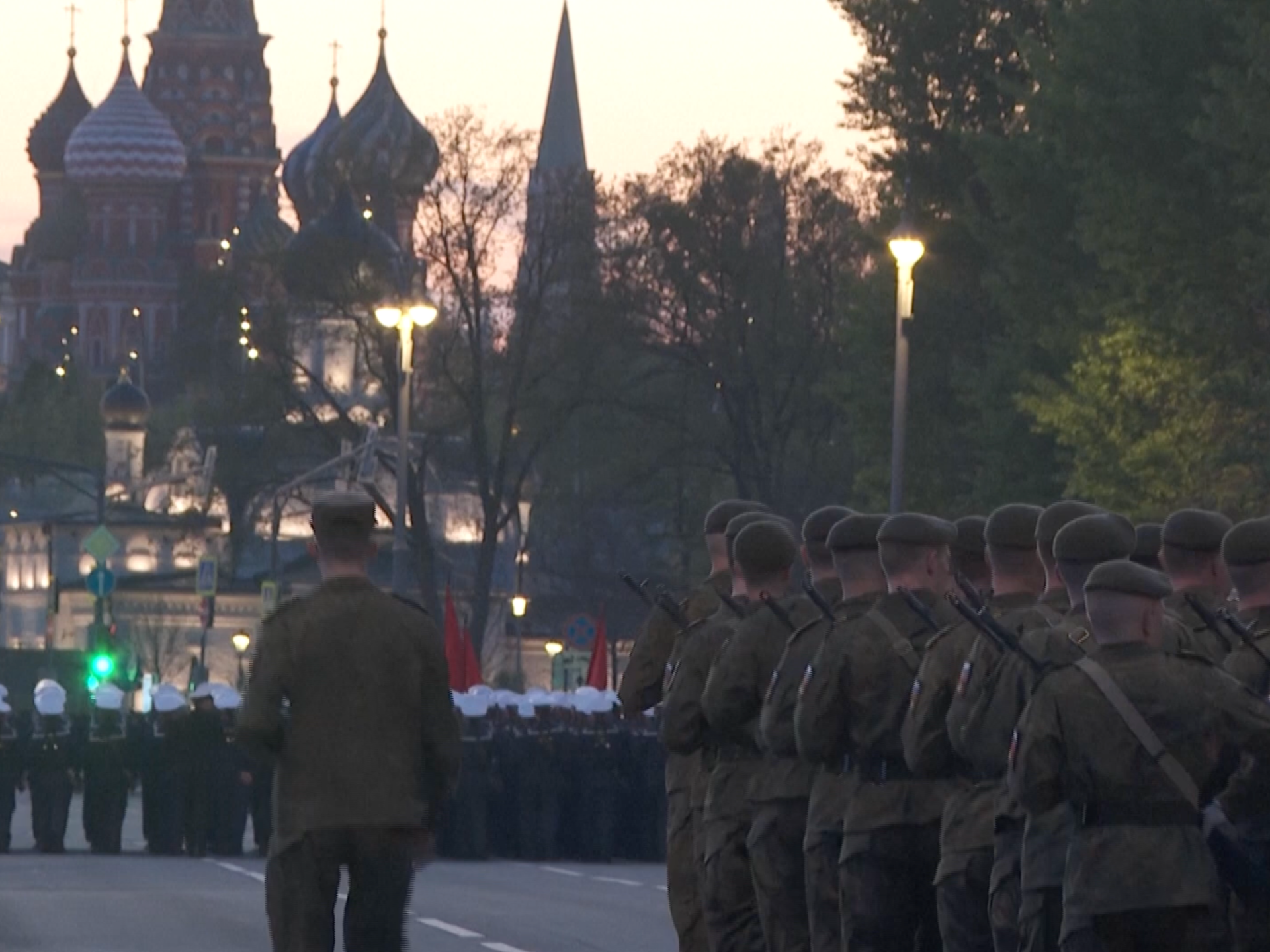
Moscow has officially declared a ceasefire with Ukraine, a move specifically timed to facilitate the annual Victory Day celebrations scheduled for 9 May. The announcement comes as Russian forces complete rehearsals for the military parade commemorating the Soviet victory over Nazi Germany in the Second World War. This unilateral suspension of hostilities appears designed to ensure the anniversary events proceed without the disruption of active combat.
In response to the Kremlin's declaration, President Volodymyr Zelenskyy announced a distinct Ukrainian ceasefire regime. Kyiv stated that its truce would commence at 00:00 on the night of 5 to 6 May. President Zelenskyy noted that his administration had received no official appeal from Russia to initiate a ceasefire earlier, suggesting the Russian timing is strictly aligned with the parade logistics rather than a broader strategic de-escalation.
Tensions regarding the reciprocity of these measures remain high. While Moscow has paused operations to allow for the parade preparations, it remains uncertain whether Ukrainian forces will honour the Russian declaration or if Russian troops will strictly adhere to the truce on the ground. The specific duration and geographical scope of the Russian ceasefire have not been detailed in the current reporting, leaving the operational reality of the pause ambiguous.
The timing of the Russian announcement highlights the political significance of May 9 in Moscow, a major state holiday marking the end of the Great Patriotic War. By synchronising the ceasefire with the parade rehearsals, the Kremlin underscores the primacy of the commemorative event in the current geopolitical landscape, effectively using the holiday to frame the conflict dynamics.
This development occurs against a backdrop of competing narratives from both capitals. Ukraine argues that an earlier start date was necessary to ensure hostilities ceased sufficiently before the anniversary, whereas Russia's declaration appears calculated to support the visual and ceremonial aspects of the Victory Day observance. The lack of a coordinated timeline between the two nations suggests that the immediate future of the conflict remains volatile despite the temporary halt in fighting.