US and Iran clash over Strait of Hormuz as Project Freedom seeks to break blockade
President Trump warns Tehran of severe consequences for attacking US ships, while global energy markets react to fears of disrupted shipping lanes in the region.
Tensions in the Strait of Hormuz have reached a critical juncture as US President Donald Trump issued a stark warning that Iran faces being "blown off the face of the Earth" if it attacks United States ships. This diplomatic ultimatum comes as the current ceasefire between Washington and Tehran teeters on the brink of collapse following a series of escalating hostilities in the region.
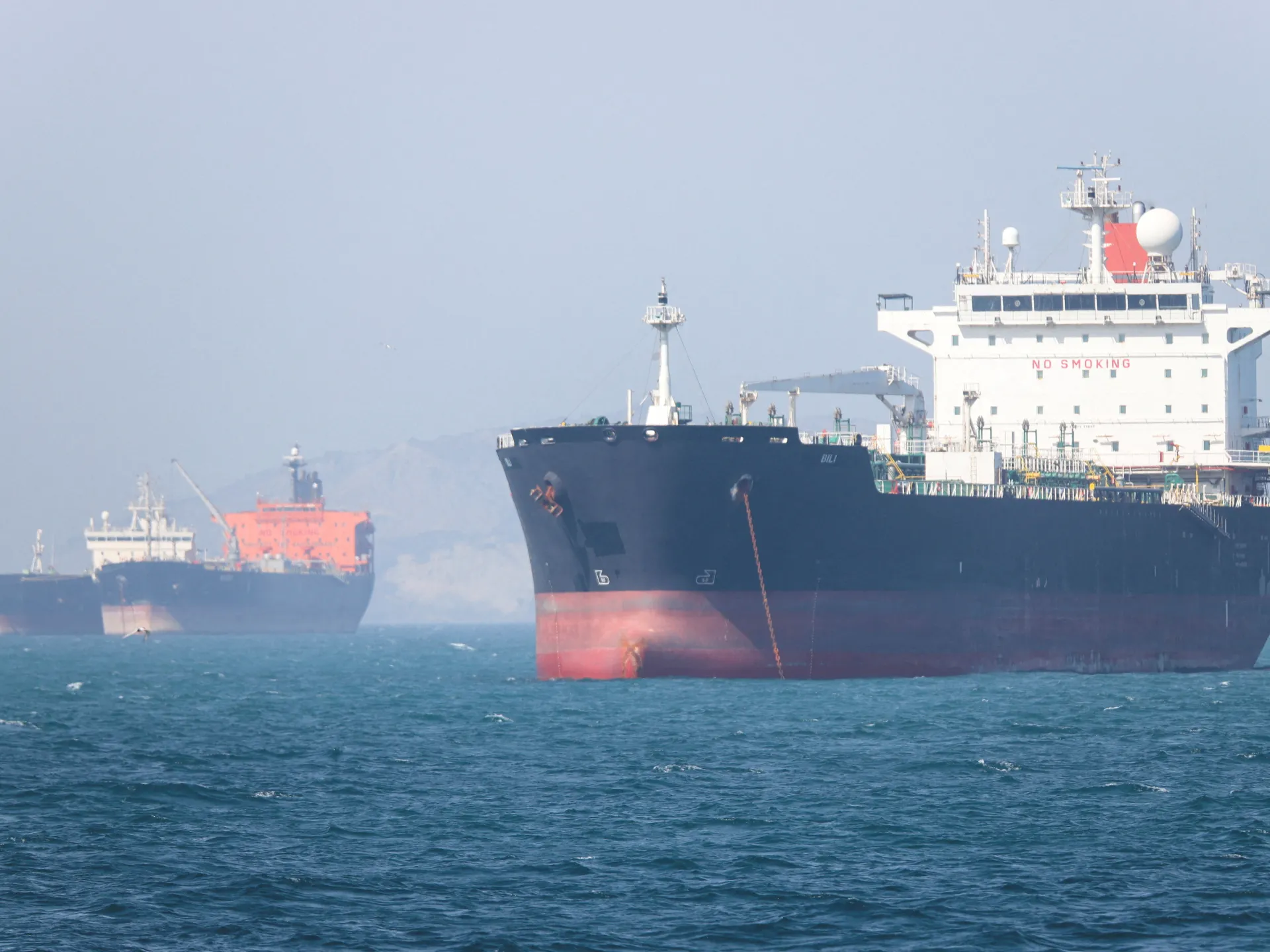
The US military has launched Project Freedom, an operation designed to guide merchant vessels through the strategically vital waterway and break the Iranian blockade. While CENTCOM reports that it has reached out to dozens of ships to encourage traffic flow, independent ship-tracking data indicates that overall movement through the strait remains largely suspended. The administration claims to have successfully guided two US-flagged merchant vessels through, though the response from the broader international fleet remains unclear.
Conflicting narratives continue to define the situation, with Iran denying any sinking of its warships and asserting full control of the waterway. Tehran has dismissed US claims of destroying Iranian boats as false, while Washington maintains that it shot down seven small Iranian vessels near the strait. This dispute over naval incidents has deepened mistrust between the two nations, with both sides exchanging accusations regarding the status of vessels in the area.
The geopolitical instability has been compounded by renewed attacks by Iran against the United Arab Emirates. On Monday, Tehran launched a fresh wave of strikes involving 12 ballistic missiles, three cruise missiles, and four drones. The UAE Defence Ministry confirmed that its forces engaged these threats, which caused a fire in the Fujairah Petroleum Industry Zone and injured three people. An Iranian official subsequently attributed the attack on the oil facilities to US military adventurism in an attempt to create a passage for ships.
The implications for global energy markets are significant, with prices rising amid fears of disrupted shipping lanes. Although the US is largely self-sufficient in oil production, the conflict has driven the price of petrol in the country to more than $4.45 a gallon, fuelling inflation ahead of the midterm elections. International oil prices have also climbed, undermining Washington's assurances that it would protect ships in the strait.
As the US maintains its blockade of Iranian ports, the situation remains volatile. Admiral Brad Cooper of CENTCOM described the vessels stranded in the area as "innocent bystanders" belonging to 87 countries, yet the ability of Iran to target ships in the region, including a confirmed explosion on a South Korean vessel, suggests the blockade remains a potent tool for Tehran.