Modi calls for voluntary austerity as Iran conflict drives energy costs in India
State-run oil distributors face daily losses of $105 million as commercial LPG prices surge 48%, prompting opposition criticism over the timing of the appeal.
Indian Prime Minister Narendra Modi has urged citizens to embrace voluntary austerity measures, including reduced fuel consumption and postponed foreign travel, to shield the economy from the fallout of the Iran conflict in West Asia. The appeal, delivered at a rally in Secunderabad, frames the request as a patriotic responsibility during a period of global instability, drawing parallels to the collective response during the COVID-19 pandemic.
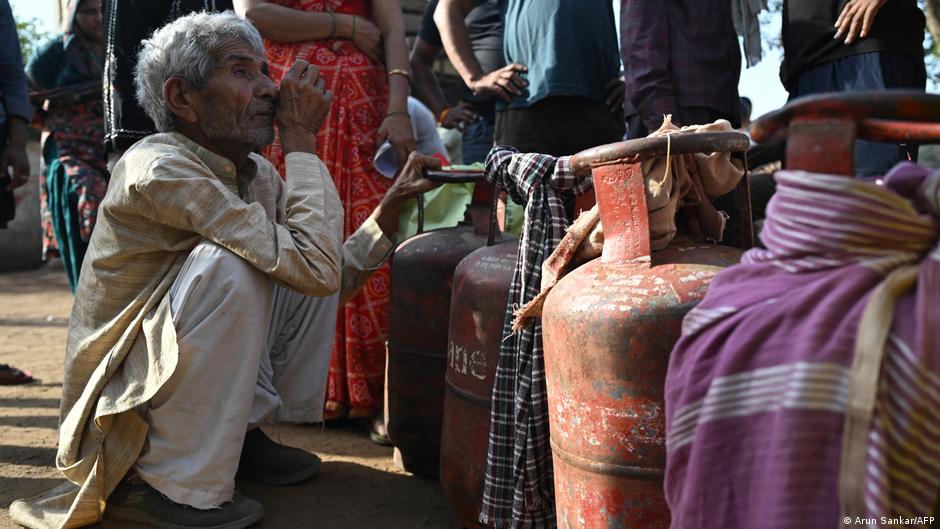
The call for restraint comes as the disruption in the Strait of Hormuz drives a surge in global energy prices. Commercial LPG prices in India have climbed by nearly 48% in three months, rising from approximately 2,078 rupees to 3,071 rupees. This sharp increase has placed significant strain on state-run oil distributors, which are absorbing daily losses of approximately $105 million as they maintain current retail prices.
India imports more than 80% of its crude oil, leaving it highly exposed to international price fluctuations. The widening import bill has contributed to a decline in foreign exchange reserves by nearly $38 billion over two months. Economists warn that rising energy costs will inevitably transmit into retail prices, affecting transport, fertilizers, and food, with lower-income groups bearing the disproportionate burden.
Despite the government maintaining there are no mandatory restrictions or rationing orders as of mid-May, public anxiety is mounting. Ordinary citizens, including small business owners and auto-rickshaw drivers, report absorbing losses or cutting back on essentials. Many express fatigue at being asked to practice austerity they are already forced to observe due to rising living costs.
Opposition leaders have seized on the growing economic pressure to criticise the timing of the appeal. Rahul Gandhi of the Indian National Congress and Akhilesh Yadav of the Samajwadi Party suggested the message constitutes an admission of policy failure, particularly following a recent state election cycle dominated by expensive political campaigns. The ruling Bharatiya Janata Party has rejected these accusations, describing the appeal as an act of national solidarity necessary to manage external shocks.