Mississippi’s Reading ‘Miracle’ Fades in Middle School as National Literacy Crisis Deepens
A WIRED report highlights the disconnect between test preparation and genuine literacy, as Jefferson County Middle School teachers face declining attention spans and a lack of reading stamina among adolescents.
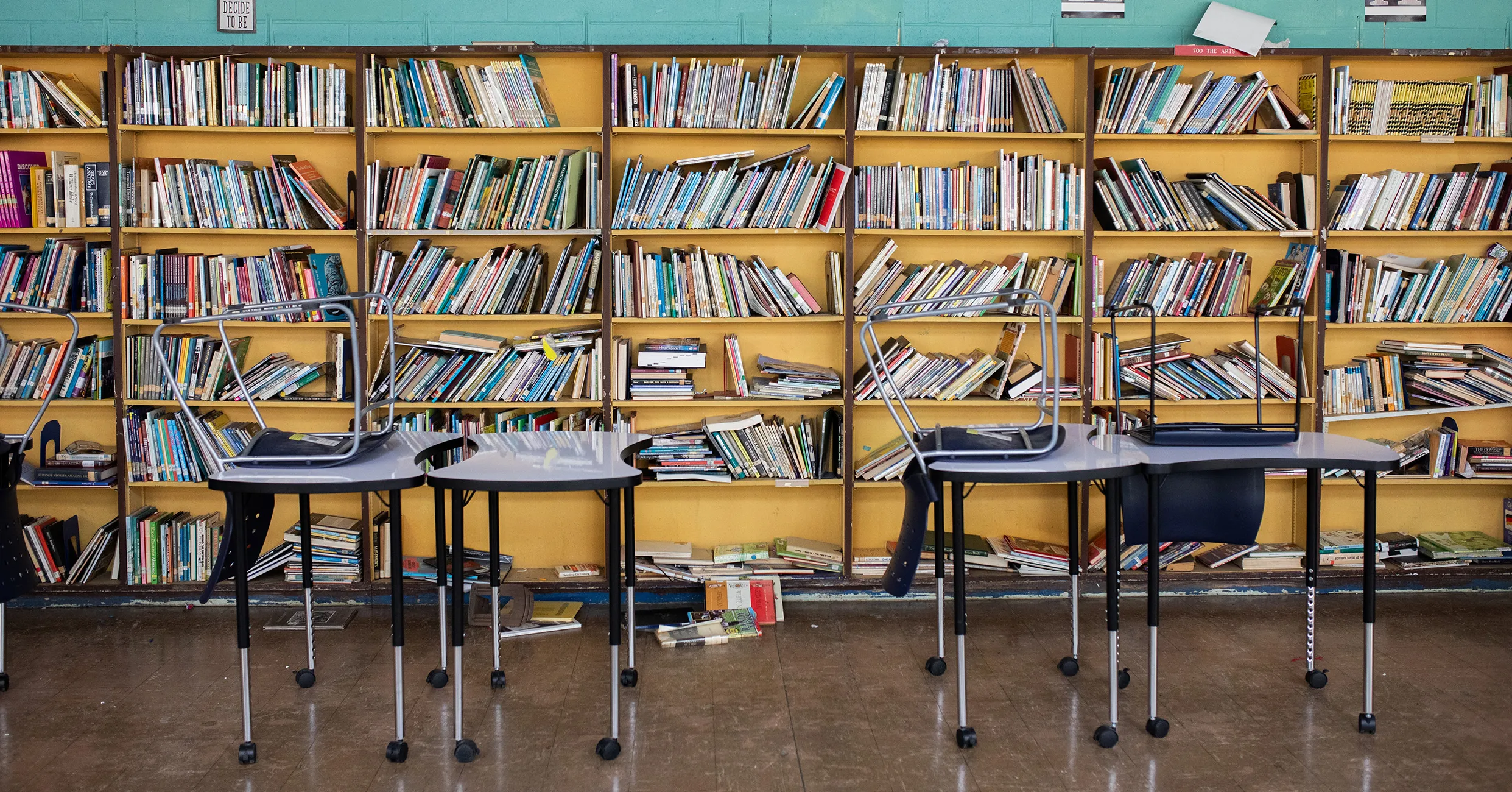
While Mississippi has achieved significant gains in elementary reading scores through strict phonics instruction and high-stakes testing, national reading performance continues to decline, particularly among middle and high school students. Experts attribute the drop in older students' comprehension to reduced attention spans, excessive screen time, and a lack of engagement with lengthy texts, highlighting a disconnect between test preparation and genuine literacy.
A WIRED report highlights the disparity between Mississippi’s elementary school reading gains and the ongoing decline in middle and high school literacy, using Jefferson County Middle School as a case study. Eighth-grade English teacher Candace Hamberlin reports that students lack engagement with lengthy texts, treating reading passages with the same short attention span associated with social media scrolling. Despite Mississippi’s “Miracle” in third-grade scores driven by phonics and high-stakes testing, eighth-grade proficiency remains low, with only 24% of Jefferson County eighth graders scoring “proficient” compared to 59% of third graders.
The article suggests that while test preparation skills are being taught, genuine literacy and the ability to comprehend complex texts are not transferring effectively to older students. Hamberlin, who has 25 years of experience, notes that her students often view reading as an ordeal to be survived rather than a skill to be mastered. This trend mirrors a broader national issue, with NAEP scores for 13-year-olds falling to 256 by 2025, nearly erasing gains made in the early 21st century.
New data underscores the severity of the crisis. Preliminary data for Jefferson County Elementary shows third-grade pass rates landing in the mid-80s, with Superintendent Adrian Hammitte aiming for 90%. However, a 2022 evaluation found that 28% of Americans cannot reliably compare and contrast information or make basic inferences, up from 19% six years prior. Additionally, a 2023 National Endowment for the Arts survey indicated that less than half of adults had read a book in the past year, and only 16% of Americans read for fun, a decline from 28% in 2004.
In response to these challenges, the Mississippi legislature approved pay raises for teachers and an additional $9 million to hire literacy coaches specifically for fourth through eighth grades in April. Despite these efforts, experts like Kevin Smith of the Florida Center for Reading Research argue that the issue is one of stamina and engagement rather than intelligence. With only 41% of children under four frequently read to, down 23 points since 2012, the foundation for long-term literacy appears to be weakening across the country.