Soviet nuclear silence and modern conflict: Pripyat's exclusion zone faces new threats
A recent assessment by Deutsche Welle highlights the enduring physical decay of the site and reports that the New Safe Confinement structure was damaged in a February 2025 drone strike.
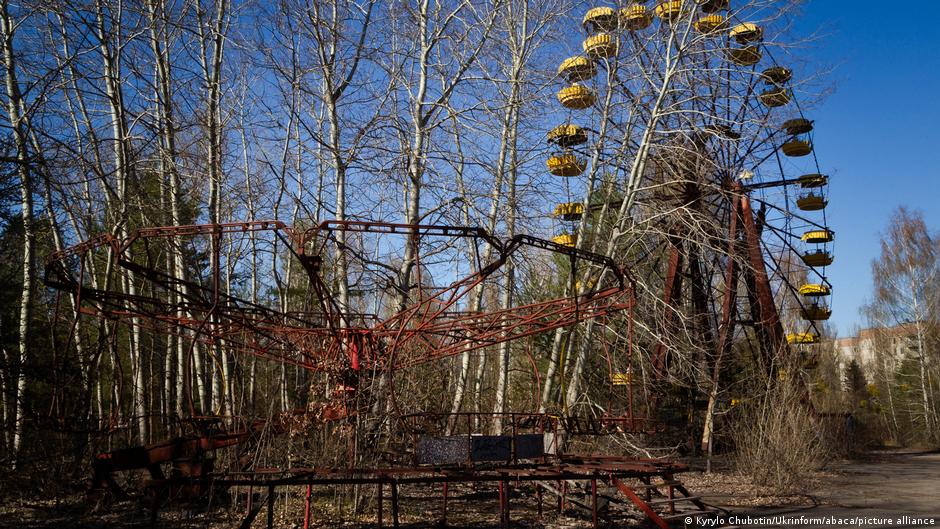
Forty years after the explosion at Reactor 4 on 26 April 1986, the Ukrainian city of Pripyat remains largely deserted, with approximately 50,000 residents permanently evacuated. Originally constructed as "Atomgrad" to house workers for the nearby power plant, the city was designed as the pride of the Soviet nuclear energy industry. Today, the site stands as a derelict landscape where overgrown vegetation has reclaimed apartment blocks and scattered personal belongings litter the streets.
A recent visit by Deutsche Welle, accompanied by former resident Volodymyr Vorobey, documented the current state of the exclusion zone. The report details how trees, shrubs, and vines have taken over the urban environment, leaving behind broken windows and wrenched open doors. Vorobey, who was 18 at the time of the disaster, led the reporter through his former home, noting that the culture of silence within the Soviet nuclear industry prevented workers from acknowledging the true dangers of radiation.
This institutional culture of silence meant that officials told workers radiation accidents were impossible, a belief that contributed to the catastrophe. Vorobey recalled that admitting knowledge of safety failures could cost one's career, leading to a lack of information regarding the extent of radioactive contamination. This environment of authoritarian oversight meant that even when a similar accident occurred at the Leningrad nuclear power plant in 1975, it was hushed up rather than addressed.
While the Chernobyl Nuclear Power Plant ceased electricity production in 2000, decommissioning operations continue to this day. The site now houses facilities for the safe removal of radioactive fuel and the processing of radioactive waste. However, the physical infrastructure designed to contain the disaster has recently faced new threats. A significant development occurred in February 2025 when the New Safe Confinement structure covering Reactor 4 was damaged in a Russian drone strike.
The damage to the New Safe Confinement has reportedly compromised its primary confinement capability, raising serious policy questions about the security of the site. Before the full-scale Russian invasion of Ukraine in February 2022, tourists were able to visit the exclusion zone, including the Ferris wheel in Pripyat's centre which never officially opened. The site now serves as a stark reminder of both the historical impact of the disaster on the Soviet nuclear industry and the ongoing geopolitical tensions affecting Ukraine.