Michigan Senate Candidate El-Sayed Links Public Health Crises to Federal Lab Cuts
Abdul El-Sayed cites wildfire smoke and cyclosporiasis outbreaks as evidence of systemic disinvestment, drawing support from Sanders, Warren, and Ocasio-Cortez
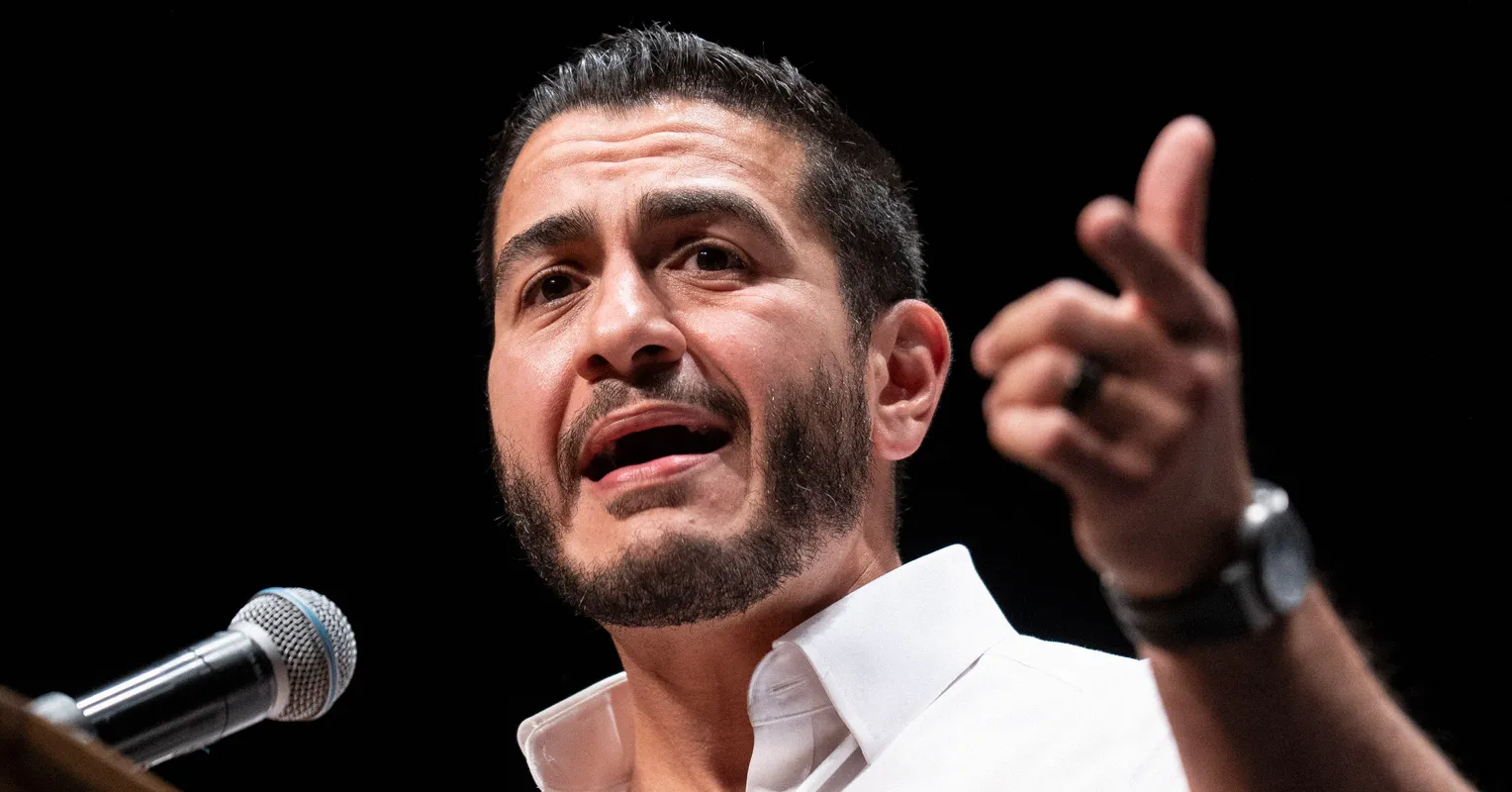
Democratic Senate candidate and epidemiologist Abdul El-Sayed is centre-stage in Michigan’s tight primary race, leveraging the state’s recent public health emergencies to critique federal infrastructure. El-Sayed, who holds an MD-PhD and previously served as Detroit’s health officer, argues that severe wildfire smoke and a cyclosporiasis outbreak linked to contaminated lettuce are direct consequences of disinvestment in public health systems. He specifically attributes food safety failures to staffing cuts at federal laboratories implemented by the Department of Government Efficiency (DOGE).
The Department of Government Efficiency downsized the federal lab responsible for testing cyclosporiasis last year, a move El-Sayed says has left the state vulnerable. Michigan has recorded the highest number of cyclosporiasis cases in the country, with outbreaks linked to contaminated lettuce. El-Sayed noted that the reduction in testing capacity has delayed disease counts and compromised the ability to track outbreaks effectively, creating a scenario where citizens must navigate health risks without reliable data.
El-Sayed’s campaign has gained traction with prominent progressive figures. Senators Bernie Sanders and Elizabeth Warren, along with Representative Alexandria Ocasio-Cortez, have endorsed him. Ocasio-Cortez rallied with El-Sayed in Grand Rapids, while Warren emphasised his commitment to fighting special interests that El-Sayed argues have rigged the economy against working people. These endorsements highlight the national attention on Michigan’s open senatorial seat and the candidate’s focus on regulatory oversight.
The candidate has also personal stakes in the issue, revealing he contracted cyclosporiasis during the campaign trail. He described the experience as miserable and noted he was unable to get tested while on the road. El-Sayed stated he would seek to haul leaders from the EPA, CDC, and FDA before Congress to investigate how the food supply was compromised. He argued that the current infrastructure is ill-equipped to handle more severe health threats if the same systemic failures persist.
Beyond immediate health crises, El-Sayed is connecting these visceral issues to broader economic and environmental policies. He highlighted that Michigan has the highest level of anti-solar and anti-wind ordinances in the country, framing his campaign around the need for renewable energy investment to create union jobs and lower utility costs. He dismissed Republican suggestions to sanction Canada over wildfire smoke as laughably ridiculous, arguing instead for robust domestic policy solutions to protect working people from climate and health shocks.