Meta Donates 15,000 AI Glasses to Vision Ireland to Support Blind and Visually Impaired Adults
The donation aims to assist every blind and visually impaired adult supported by the organisation, while addressing ongoing privacy scrutiny surrounding wearable camera technology.
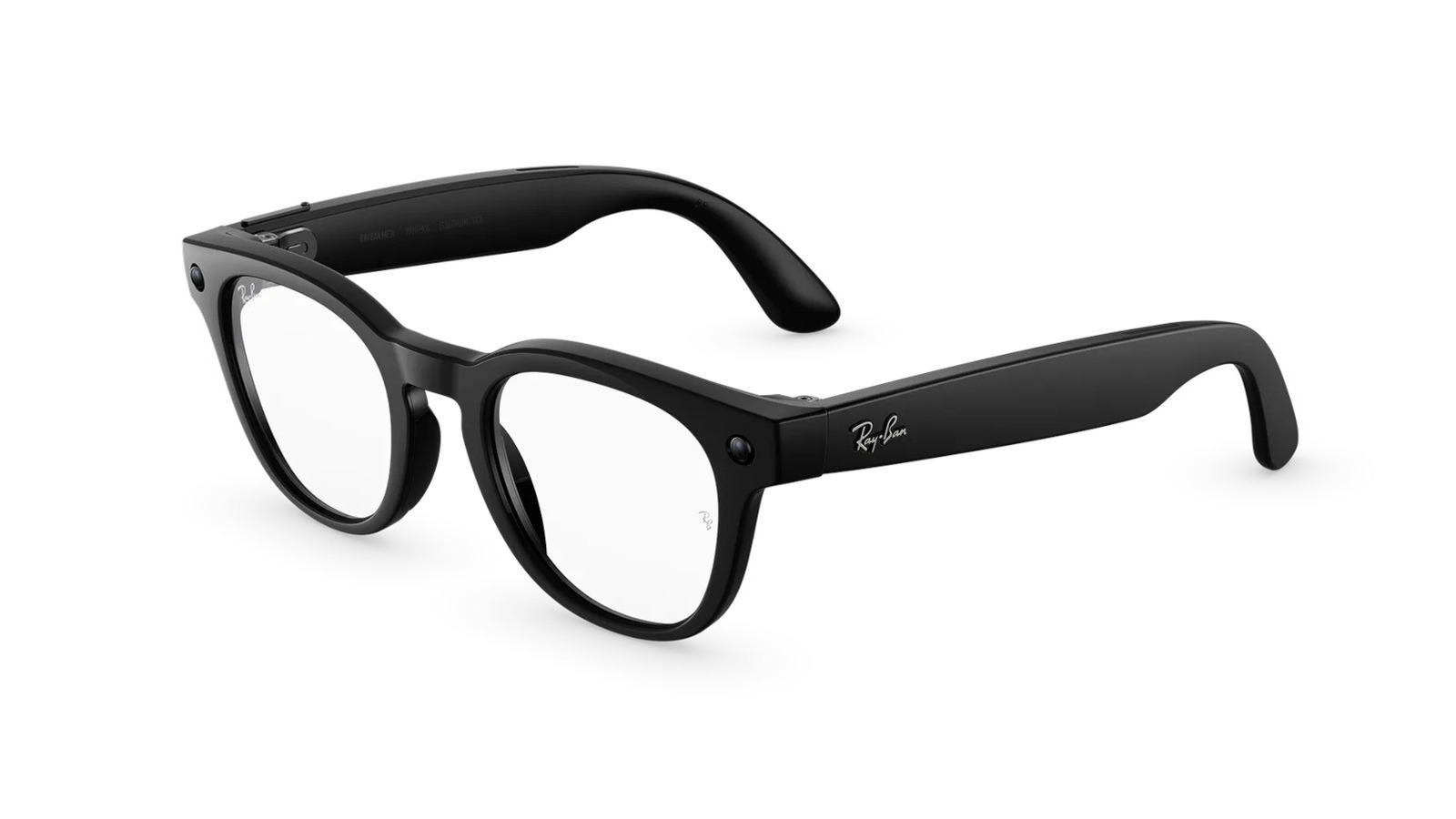
Meta has announced a donation of 15,000 Ray-Ban Meta AI glasses to Vision Ireland, the national sight loss charity, to support blind and visually impaired adults across the country. The company stated that the quantity of devices is sufficient to provide free access to every blind and visually impaired adult currently supported by the charity.
The Ray-Ban Meta glasses are equipped with features designed to assist with daily tasks, including reading text aloud, identifying objects in the user’s environment, and facilitating video calls to volunteers via the Be My Eyes network. Through this integration, volunteers can assist users with tasks such as selecting clothing or identifying products in a grocery store.
Vision Ireland will manage the distribution process, selecting eligible applicants and providing in-person training and support. Interested individuals can register their interest through the charity’s website or by calling its dedicated line at +353 1 882 1910. The charity will determine eligibility and coordinate the handover of the devices.
The initiative comes against a backdrop of heightened scrutiny regarding the privacy implications of wearable cameras. Meta has faced criticism over the potential for surreptitious filming and the existence of third-party services that disable the glasses’ recording LEDs, which are intended to indicate when a device is actively capturing video. In response to these concerns, Meta has promised to disable the cameras in any glasses where the recording LEDs have been tampered with or destroyed.
Additionally, recent reports from Wired identified code within the Meta AI app suggesting the company is exploring facial recognition capabilities for the devices. While this indicates an interest in the technology, it has not been confirmed as a current feature. The donation represents a strategic effort to demonstrate the utility of AI wearables in accessibility contexts, contrasting with broader debates on surveillance and data privacy.
This move occurs as competitors in the artificial intelligence sector report significant user growth. Google’s Gemini app recently surpassed one billion monthly active users, following OpenAI’s ChatGPT which reached the same milestone in June 2026. These figures highlight the rapid adoption of AI assistants, even as regulatory and ethical questions regarding their deployment continue to evolve.
The long-term impact of this donation on public perception of AI glasses remains to be seen. While the devices offer tangible benefits for visually impaired users, the broader market for wearable AI continues to navigate complex regulatory and social landscapes.