Memory crunch puts higher iPhone prices in view
Rising DRAM costs and competition from AI data centres are squeezing consumer electronics makers, with meaningful supply relief not expected until late 2027 or early 2028.
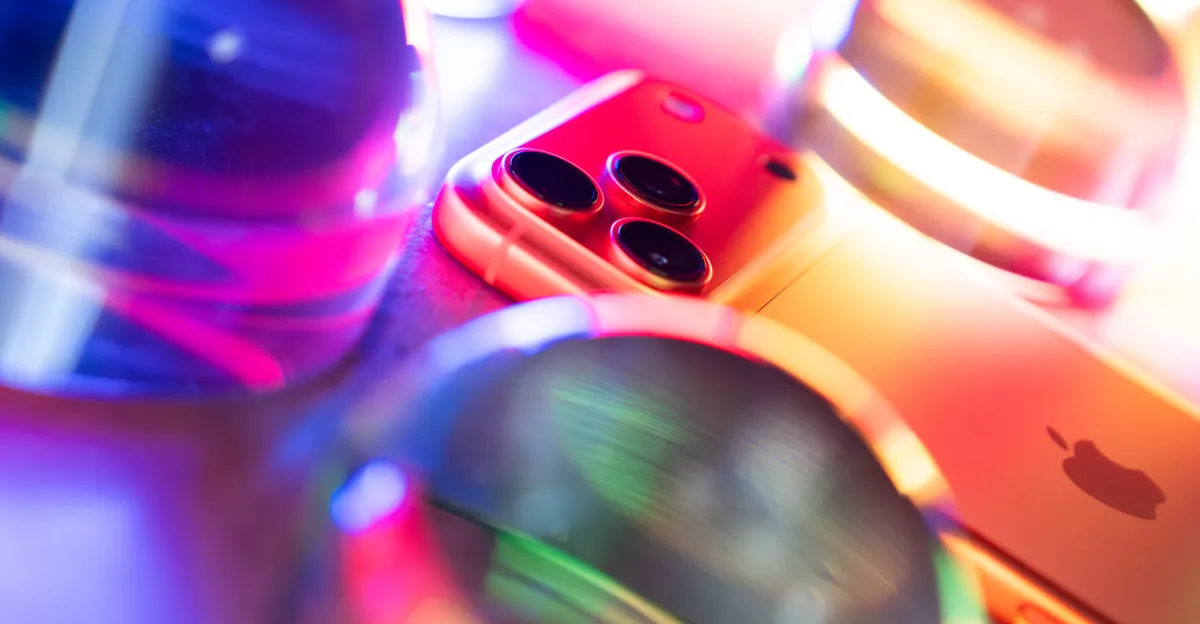
Apple could raise iPhone prices as soaring memory costs expose the limits of the company’s supply-chain leverage. The potential increase comes as AI data centres compete with consumer electronics for constrained manufacturing capacity, while new memory facilities remain years from production.
Counterpoint estimates smartphone DRAM prices rose about 56 per cent in the first quarter of 2026 and 83 per cent in the second quarter. The estimated cost of 16GB of smartphone DRAM increased from about US$42 in the second quarter of 2025 to US$181 a year later, although those figures are component-cost estimates rather than prices necessarily paid by Apple.
The memory market is highly concentrated, with Samsung, SK Hynix and Micron accounting for about 90 per cent of supply, according to Counterpoint. AI customers are attracting capacity towards high-bandwidth memory, which is more complex and lucrative to produce, while consumer devices are also requiring more conventional DRAM to support on-device AI features.
Apple has not confirmed a price increase. A reported estimate based on component-cost modelling puts the starting price of the iPhone 18 Pro at US$1,299, potentially US$200 above the iPhone 17 Pro. Counterpoint’s supply-chain tracking indicates Apple is preparing about 10 per cent more iPhone 18 Pro and Pro Max units for September to December than comparable iPhone 17 models.
Supply relief is likely to be gradual. Micron expects its Idaho facility to begin wafer output in mid-2027 but does not expect meaningful output from its planned New York complex until 2030. Counterpoint and IDC expect the broader shortage to persist through 2027, with meaningful relief no earlier than late 2027 or early 2028.
The Verge reported that technology companies including Microsoft and Meta have already raised prices as component costs increased. For manufacturers, the alternatives include selling fewer devices, reducing memory configurations or concentrating on higher-priced products with more room to protect margins. Even if price growth slows, IDC expects memory costs to stabilise at a new, higher level rather than return to 2025 prices.