Scientists seek the physics that could make volcanic eruptions forecastable
Improved monitoring, machine learning and magma research may eventually extend eruption warnings from hours to days or weeks, but reliable forecasts remain out of reach.
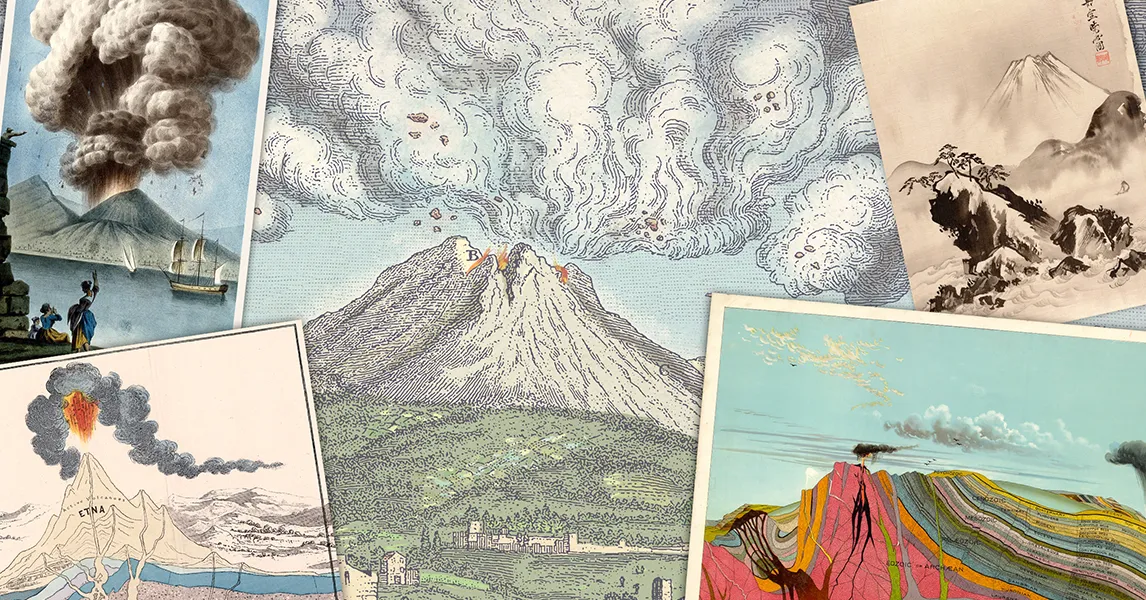
Scientists are investigating whether volcanic eruptions could eventually be forecast more like weather events, combining denser monitoring networks, machine learning and physics-based models of magma. The approach, reported by WIRED in an article originally published by Quanta Magazine, remains a long-term possibility rather than an existing capability.
The challenge is that magma lies kilometres beneath the Earth’s crust, volcanoes can erupt only once every few decades, and each has distinct underground pathways, chemistry and eruption patterns. Instruments can track seismic activity, ground deformation, volcanic gases, magma movement and geochemistry, but scientists still lack a unified theory that reliably predicts when an eruption will begin, how powerful it will be or what form it will take.
The 1991 Mount Pinatubo eruption illustrates both the value and limits of current monitoring. Scientists detected escalating unrest and helped enable an evacuation that saved lives, but they could not say with precision when the explosive eruption would occur or how it would develop. About 800 million people live within 100 kilometres of an active volcano, adding urgency to efforts to improve warning times.
The Ex-X, or Expecting the Unexpected, project is studying volcanic escalations in the Eastern Caribbean using hundreds of seismometers, fibre-optic cables, machine learning and geochemical data. Researchers hope to identify the physical changes that can drive a volcano from lava-producing activity to a sudden explosive eruption. Machine learning can process large volumes of observations, but it cannot replace limited measurements or incomplete understanding of magma chambers.
Other projects are aimed at filling those gaps. Iceland’s Krafla Magma Testbed aims to drill to magma at depth and become the first direct magma observatory, while the proposed SZ4D initiative would monitor subduction zones in areas including Chile, Alaska and the Cascades over extended periods. Such efforts could help establish common physical principles, although their timing, funding and eventual capabilities remain uncertain.
Short-term forecasts can already be relatively precise at frequently active volcanoes such as Stromboli, Etna, Kīlauea and volcanoes on Iceland’s Reykjanes Peninsula. For most volcanoes, however, warning systems identify unrest rather than imminent eruption. The prospect of weather-style forecasting will depend on decades of broader observation and advances in understanding how apparently stable magma systems transition into failure.