Maldives jails journalists over president’s alleged affair amid press freedom row
Two reporters from Adhadhu have been imprisoned for breaching a gag order concerning allegations against President Mohamed Muizzu, sparking international condemnation and accusations of democratic backsliding.
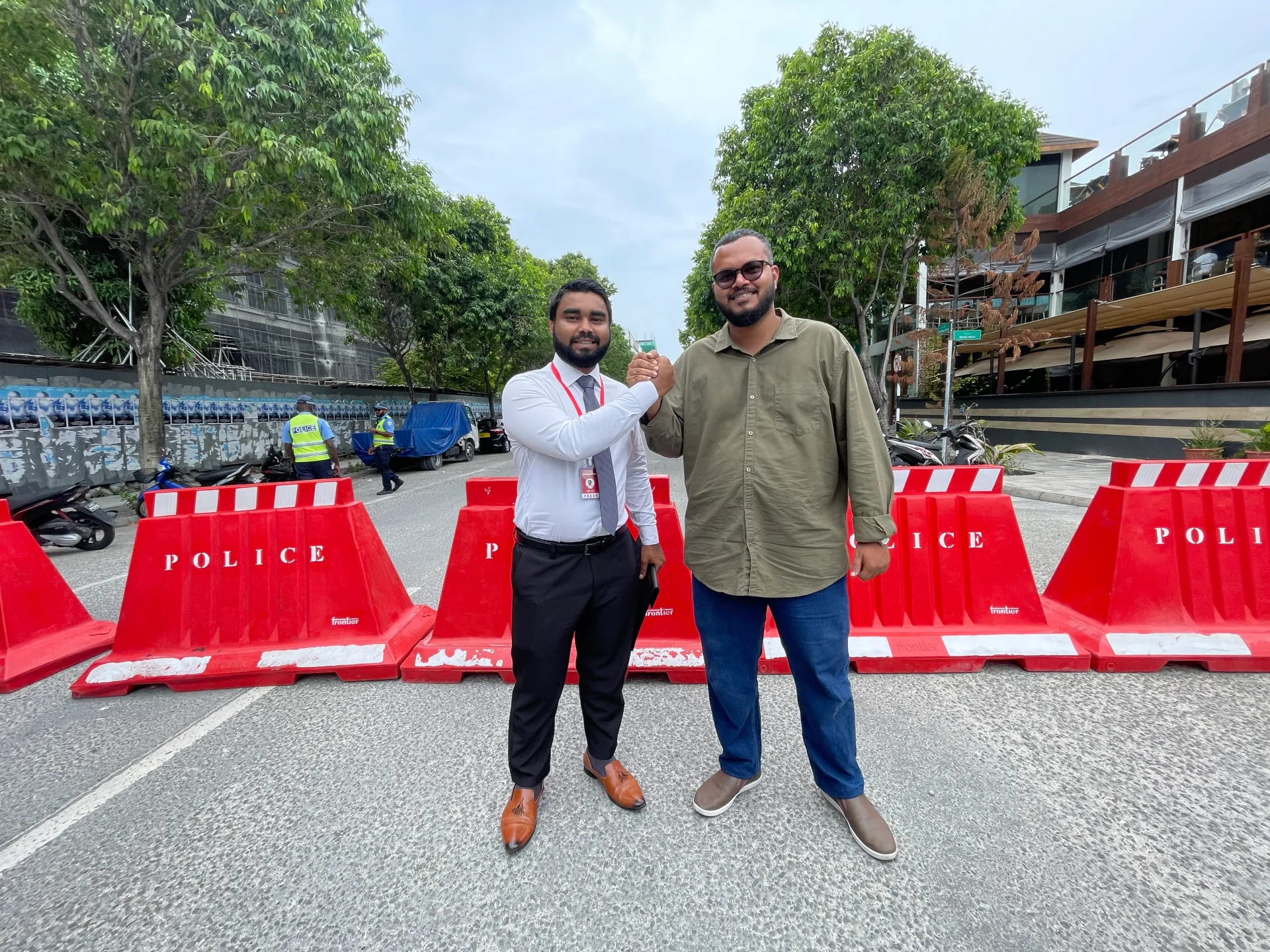
The Maldivian criminal court in Male has sentenced two journalists to jail for violating a gag order concerning allegations of an affair involving President Mohamed Muizzu. Mohamed Shahzan of the news website Adhadhu received a 15-day sentence, while Leevan Ali Nasir was handed 10 days. The sentences were issued on Tuesday following a court order issued on Monday at the request of prosecutors, which bans any direct or indirect discussion of the allegations, charges, or ongoing trials.
The gag order cites constitutional provisions protecting the right to reputation. According to Adhadhu, Shahzan was detained after questioning the president about late-night calls allegedly made to a former presidential aide, while Nasir was jailed for reporting on the existence of the gag order itself. The outlet described the proceedings as secret trials that concluded within hours, with the journalists given only two hours to secure legal counsel and no opportunity to present a defence.
International rights organisations have strongly condemned the imprisonment. The International Federation of Journalists described the jailing as a severe blow to press freedom, while the Committee to Protect Journalists labelled the sentences a punitive attempt to criminalise investigative journalism. The Maldives Journalists Association called the outcome unprecedented in the nation’s democratic history, arguing the court’s order failed constitutional tests of legality and proportionality.
In response to the criticism, President Muizzu’s spokesperson, Mohamed Hussain Shareef, rejected the notion that the proceedings constituted an attack on free press. He stated that attempts to portray the criminal proceedings as politically motivated were unwarranted, asserting that the president had granted the media unprecedented access and welcomed scrutiny of his policies. Shareef maintained that the cases were unrelated to the guaranteed legal rights and responsibilities of independent journalism.
The case has intensified concerns regarding media freedom and democratic stability in the Maldives. It follows a period of significant political tension, including a constitutional referendum in April where voters rejected a government proposal to align election cycles. The controversy stems from a documentary titled Aisha, released in March, which featured an anonymised interview with a woman alleging a sexual relationship with the president. Two other Adhadhu editors now face charges of qazf, or false accusation of adultery under Islamic law, with their trial beginning behind closed doors on Wednesday.