Louisiana court order allows NFL signees to return to college football
A recent judicial ruling in Louisiana extends eligibility relief to athletes who have signed NFL contracts or participated in training camps, permitting them to pursue further college football seasons.
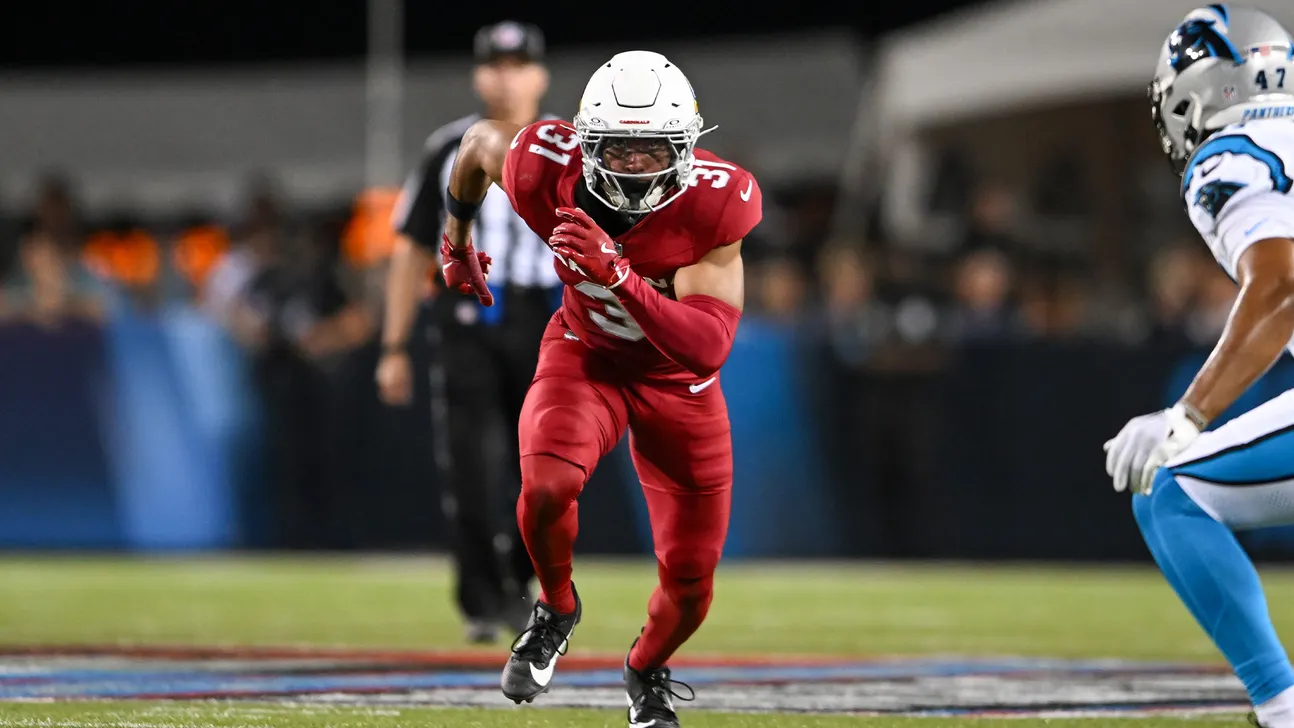
A Louisiana court order has extended eligibility relief to athletes who have signed National Football League contracts or participated in NFL training camps, allowing them to return to college football. This development follows a temporary restraining order secured by a group of 16 players against the NCAA, challenging the application of recent eligibility rules.
The athletes involved argue that recent NCAA rule changes, which permit players to compete for five years within a five-year span starting from enrolment or the academic year following their 19th birthday, should apply to those who have already exhausted their previous four years of eligibility. The legal basis for this relief stems from the initial temporary restraining order and subsequent orders issued in Louisiana.
A previous court ruling had granted preliminary relief to Division I athletes who began their college careers in the 2022-23 season and used up their four seasons of eligibility. The subsequent order extended this immediate relief to players whose circumstances included signing NFL contracts or participating in NFL training camps. This specific provision enables athletes in this cohort to pursue further college football eligibility.
Former NFL running back T.J. Harden is cited as a key example of an athlete whose return to college football is enabled by this legal basis. The court order opens a path for Harden and others in his situation to re-enter the transfer portal and continue their collegiate careers.
It is important to note that this situation is based on a temporary restraining order and subsequent court orders, rather than a permanent rule change adopted by the NCAA. The term "signed NFL players" in this context refers to athletes who have signed contracts, not necessarily those currently active on NFL rosters.
The ruling highlights the ongoing legal and institutional tensions surrounding athlete eligibility and the intersection of professional and collegiate sports governance. As the NCAA navigates these court-ordered changes, the implications for player movement and institutional policy remain a focus for stakeholders in college athletics.