Liquidators from Poltava region return to Chornobyl exclusion zone for 40th anniversary
Approximately 600,000 individuals were mobilised over four years to contain the disaster, yet the exclusion zone remains closed to tourists following Russia's invasion of Ukraine in 2022.
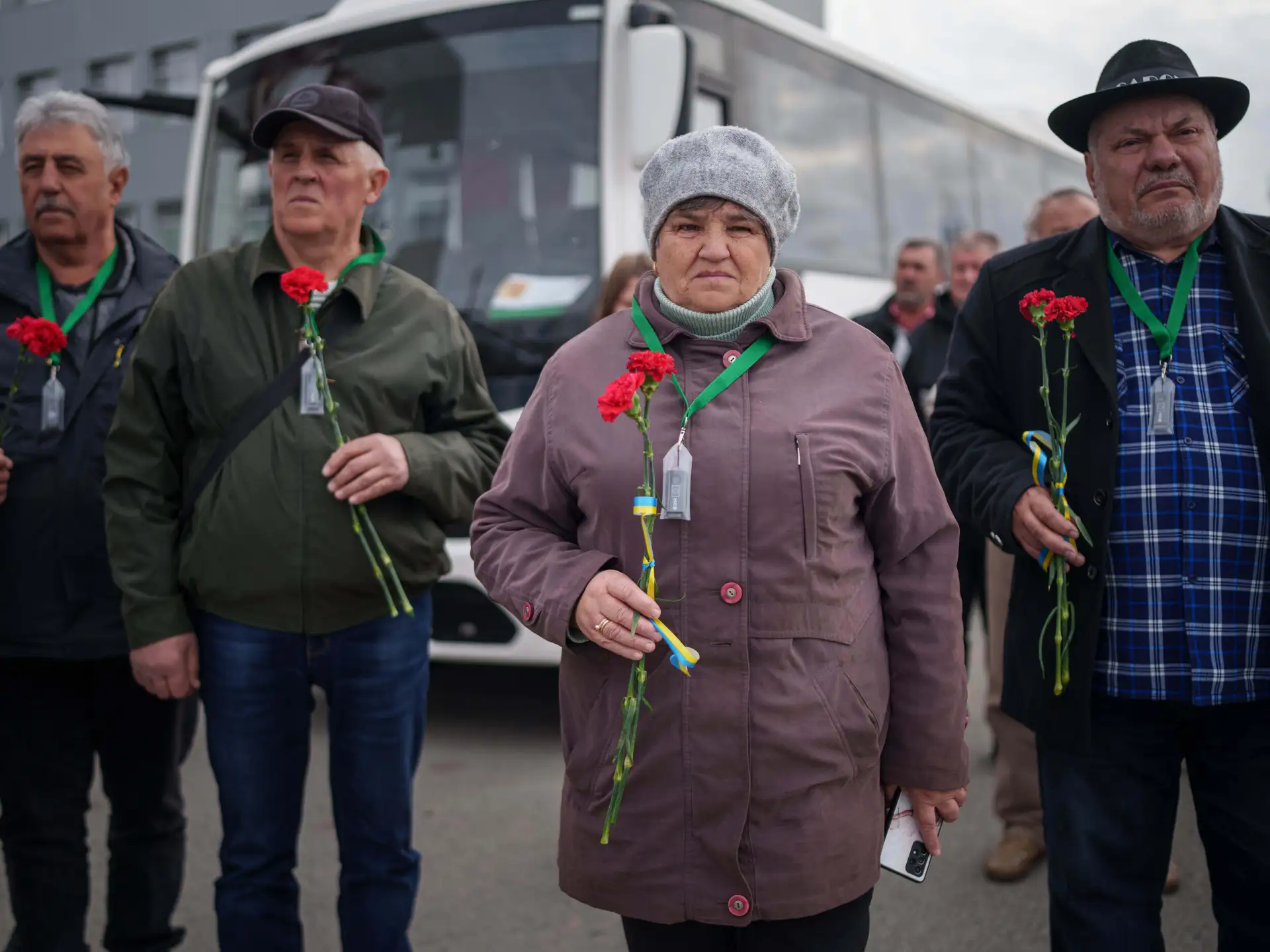
Survivors of the 1986 Chornobyl cleanup operation, known as liquidators, have returned to the exclusion zone in Ukraine to mark the 40th anniversary of the nuclear disaster. The visiting cohort, hailing from the Poltava region, toured the site to reflect on the catastrophe that continues to impact the country four decades after the initial explosion.
The group's visit coincides with renewed debate regarding the human and environmental toll of the event. On 26 April 1986, a botched safety test triggered a catastrophic blast in Reactor Four at the Chornobyl Nuclear Power Plant, sending a plume of radioactive smoke into the atmosphere. The International Atomic Energy Agency (IAEA) has since attributed the disaster to severe deficiencies in the reactor design and shutdown system, alongside violations of operating procedures.
To contain the fire and clean up radioactive contamination, approximately 600,000 liquidators were mobilised from across the Soviet Union over the subsequent four years. This massive workforce included soldiers, firefighters, engineers, miners, and medics who performed hazardous tasks ranging from sealing the exposed core to scrubbing radioactive dust from buildings and clearing forests. Many of these workers faced the dangers with little understanding of the risks, often in hastily issued uniforms and improvised protective gear.
The nearby city of Pripyat, once home to 48,000 people, remains a decaying ghost town within the exclusion zone, which spans thousands of square kilometres across northern Ukraine and neighbouring Belarus. While the area was previously open to tourists, it has been closed since Russia's invasion of Ukraine in 2022, fundamentally altering access to the site.
In the absence of visitors, nature has reclaimed the landscape within the zone. Rare species, such as the endangered Przewalski's horses, have been observed roaming among the ruins, a stark contrast to the industrial devastation caused by the nuclear accident. The liquidators from Poltava spoke of the duty they carried out without hesitation and the losses they endured during the mobilisation.