Escalation in the Fourth Year: Russian Strikes Hit Odesa Port as Drone Exchange Intensifies
As diplomatic channels remain deadlocked, new reports indicate the destruction of critical logistics hubs and the injury of civilians on both sides of the front line.
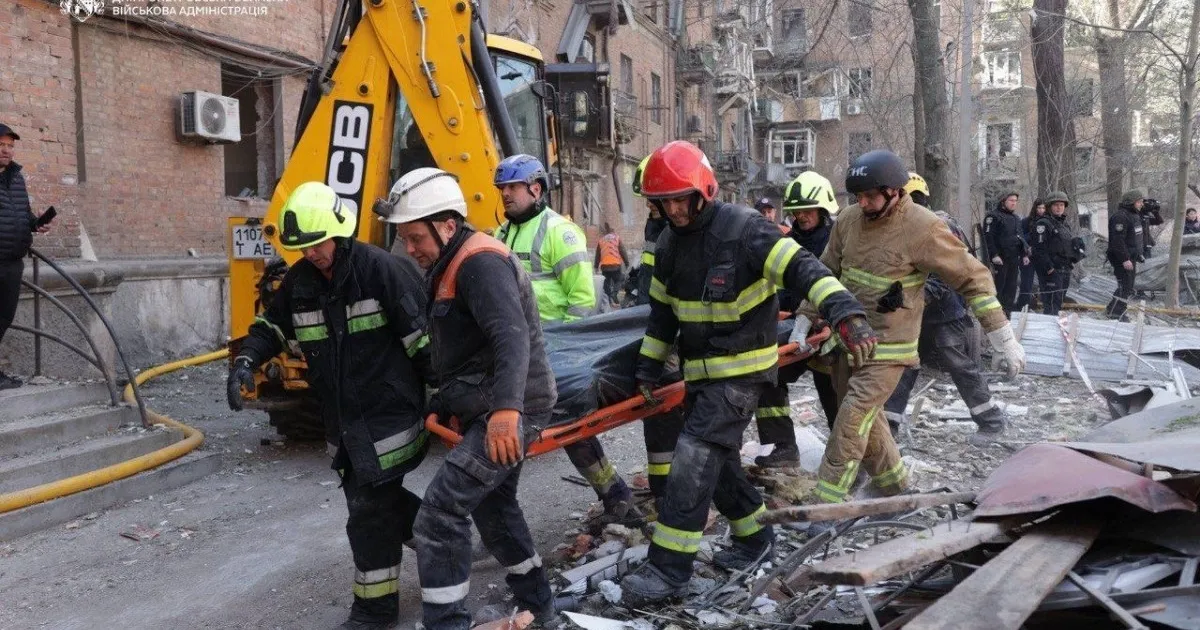
The conflict between Russia and Ukraine has entered its fourth year without a resolution, marked by a renewed intensity in kinetic operations across the contested territories. Official reports from Kyiv indicate that Russian forces have launched coordinated strikes across several regions, resulting in at least five civilian deaths and significant damage to critical infrastructure. The violence has spread from the northeast to the south, affecting populations in Sumy, Dnipropetrovsk, Kherson, and Zaporizhia.
In the Odesa region, the focus of recent military activity has shifted toward economic and logistical assets. Deputy Prime Minister Oleksii Kuleba confirmed that Russian forces targeted port and logistics infrastructure, causing damage to warehouses, cargo storage tanks, and freight transport systems. The attack also impacted a civilian vessel flying the flag of Palau while it was loading cargo, though no crew injuries were reported. This targeting of port facilities highlights the strategic pressure being applied to Ukraine's supply chains.
Casualty figures from the Russian attacks vary by location, reflecting the widespread nature of the shelling. In the Sumy region, two men were killed and civilians injured in the Bilopil locality. Further south, attacks in Dnipropetrovsk resulted in one death and four injuries across four districts. In Kherson, shelling wounded seven people, while the Zaporizhia region saw the most extensive assault, with over 700 attacks launched on 50 settlements within a 24-hour period, killing two and injuring four.
The aerial dimension of the conflict has seen a high-volume exchange of unmanned systems. Ukraine's air force claims to have shot down or disabled 124 of the 144 Russian drones launched overnight, with impacts recorded at 11 locations. Conversely, Russia's Ministry of Defence asserts that its air defences intercepted 203 Ukrainian drones between Saturday evening and Sunday morning. The Russian ministry further claims to have destroyed 95 Ukrainian drone control centres over the previous 24 hours, suggesting a significant degradation of Kyiv's offensive capabilities.
Ukrainian drone strikes have also extended into Russian territory, causing injuries and infrastructure damage in the Vologda region and annexed Crimea. In Vologda, an attack on a nitrogen complex injured five people. In Sevastopol, debris from downed drones struck the cardiology department of a hospital, injuring one person. Additionally, drone fragments fell on rail tracks, damaging overhead power lines and causing train delays, which underscores the disruption to Russian domestic logistics.
While the fighting continues, diplomatic efforts to end the war remain stalled. Ukrainian President Volodymyr Zelenskyy, however, has been engaging in alternative diplomatic channels. He signed security and energy cooperation agreements with Azerbaijan's President Ilham Aliyev and suggested that future talks between Ukraine and Russia could be held in Azerbaijan if Moscow is willing to engage in diplomacy.