Kremlin intensifies crackdown on managed opposition ahead of Duma elections
The revocation of Yabloko’s registration and the barring of Communist candidates aim to secure a result that projects national unity, despite rising public anxiety over inflation and the war in Ukraine.
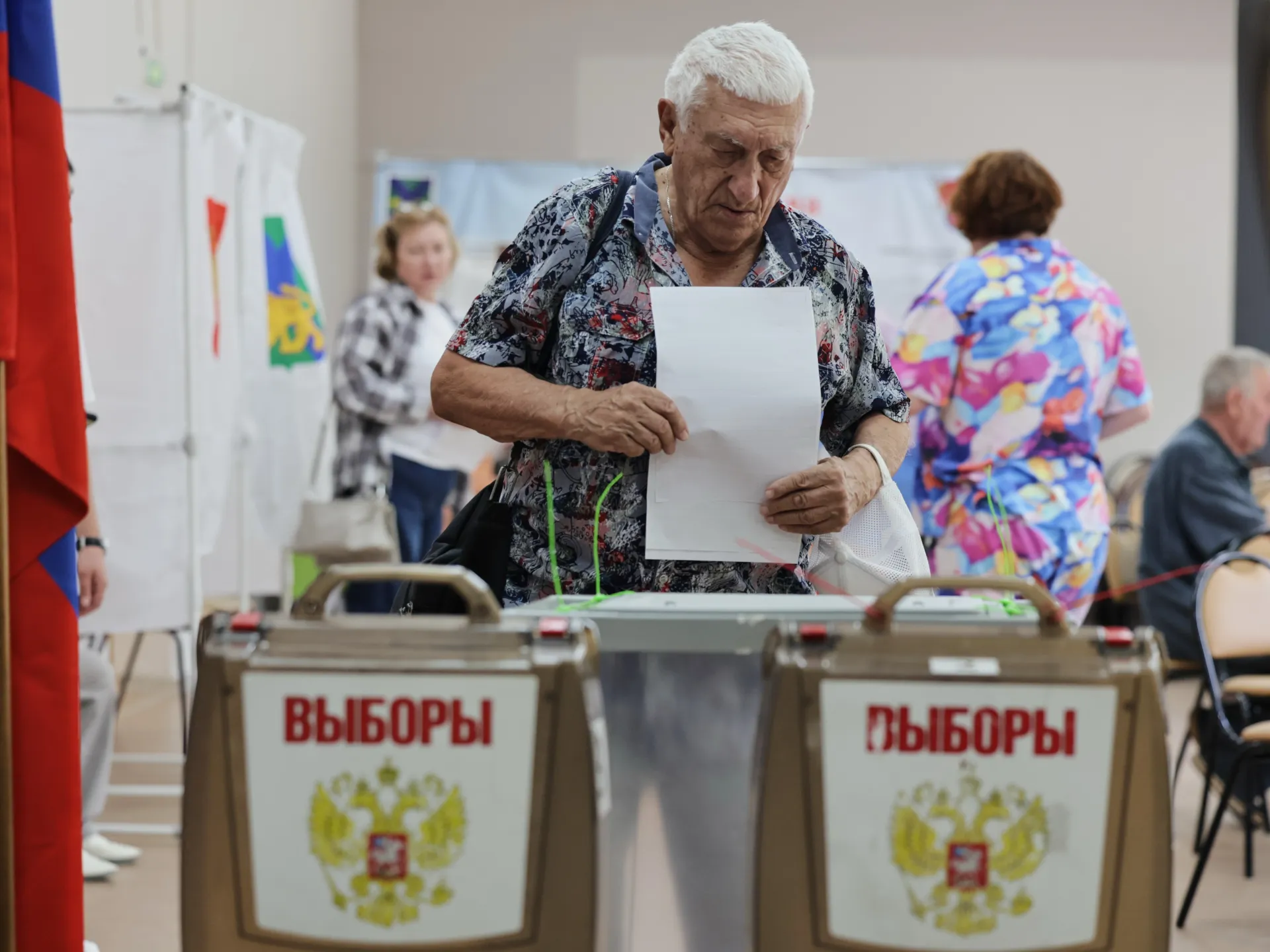
Ahead of the upcoming Russian Duma elections, the Kremlin has intensified a pre-election crackdown on what is known as “managed opposition” to minimise the risk of a protest vote. The governing United Russia party, which has dominated the legislature since 2001, seeks to secure a result that demonstrates national unity and full support for President Vladimir Putin. This effort comes amid growing public dissatisfaction with inflation and the ongoing war in Ukraine.
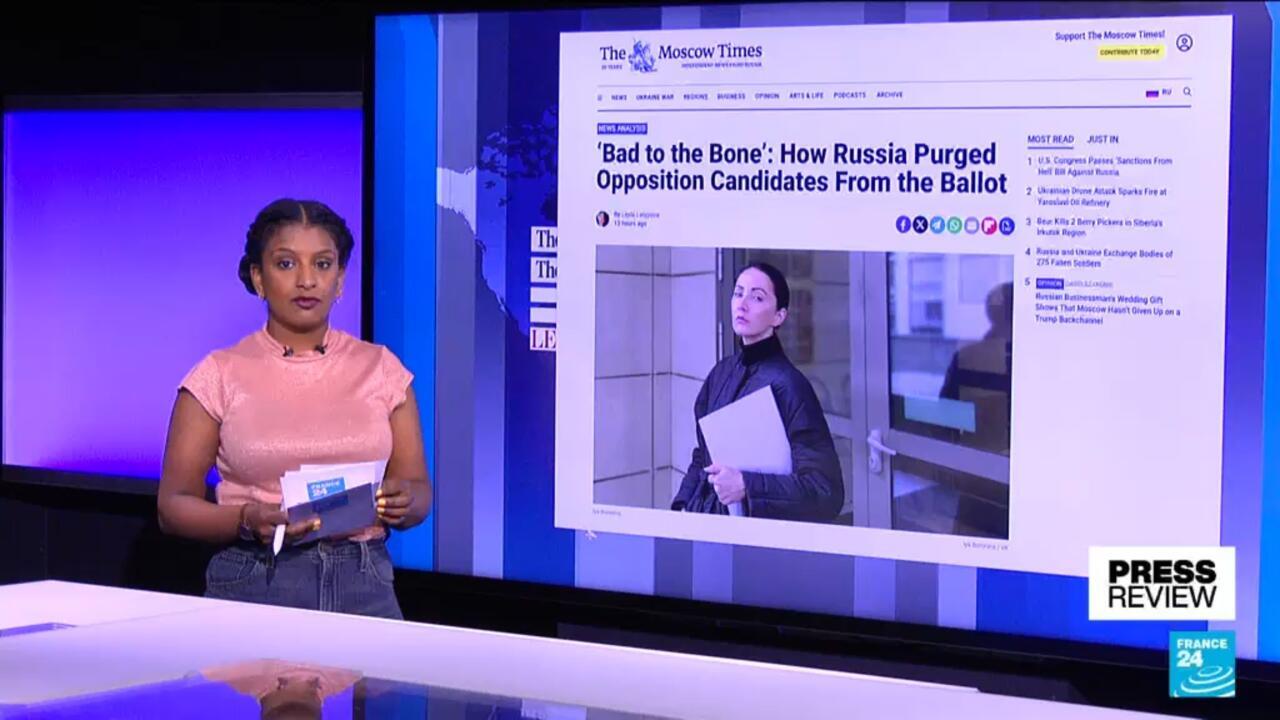
The most significant move was the revocation of the Yabloko party’s registration by the Supreme Court in August. Yabloko is the only surviving officially registered political party in Russia that openly opposes the war in Ukraine. The decision followed a surge in public interest, with searches on Yandex for “Yabloko” and “elections” increasing fivefold and surpassing search volume for the governing United Russia party. The Supreme Court cited accusations that the party was seeking to undermine the electoral process, a move that effectively removed the last major antiwar voice from the party-list ballot.
Candidates from the Communist Party of the Russian Federation (CPRF), the second-largest party in the Duma, have also faced targeted restrictions. While the CPRF typically votes with United Russia on major bills, it maintains critical regional branches and charismatic members who have been vocal about the war’s consequences. Several candidates were arrested or barred from running under various pretexts. Notably, Nikolay Bondarenko, a popular communist with over two million YouTube subscribers, was banned from participating for the use of “extremist symbols” based on a social media post featuring the late Kremlin critic Alexey Navalny.
According to Al Jazeera, the Kremlin’s political managers have set a target of 50 percent turnout with 50 percent of the vote for United Russia. This target was notably lowered from 55 percent due to concerns about growing public dissatisfaction. Independent pollster Levada Center reports that public anxiety is at a level not seen since September 2022, when mass mobilisation was announced. The risk of a significant protest vote, such as Yabloko achieving a double-digit result, would complicate the narrative of unity the Kremlin seeks to project.
The crackdown is part of a broader strategy that includes administrative pressure, investment in e-voting, three-day voting periods, and the elimination of independent election observers. These measures aim to ensure the outcome is tacitly accepted by society. Yulia Navalnaya, the widow of Alexey Navalny, has called for votes for Yabloko, highlighting the party’s role as a vehicle for anti-regime sentiment despite its low previous support levels.
Analysts suggest that once the vote is conducted in a manner deemed satisfactory, the state apparatus may intensify political repression and adopt unpopular measures, such as austerity policies or total control over the internet. The primary objective for the Kremlin’s political managers is to maintain control to allow President Putin to continue the war in Ukraine for as long as necessary.