Nine women found dead in Ekurhuleni as scrutiny mounts over South Africa’s femicide response
A cluster of nine deaths in the Ekurhuleni municipality has intensified debate over the effectiveness of South Africa’s national disaster declaration for gender-based violence.
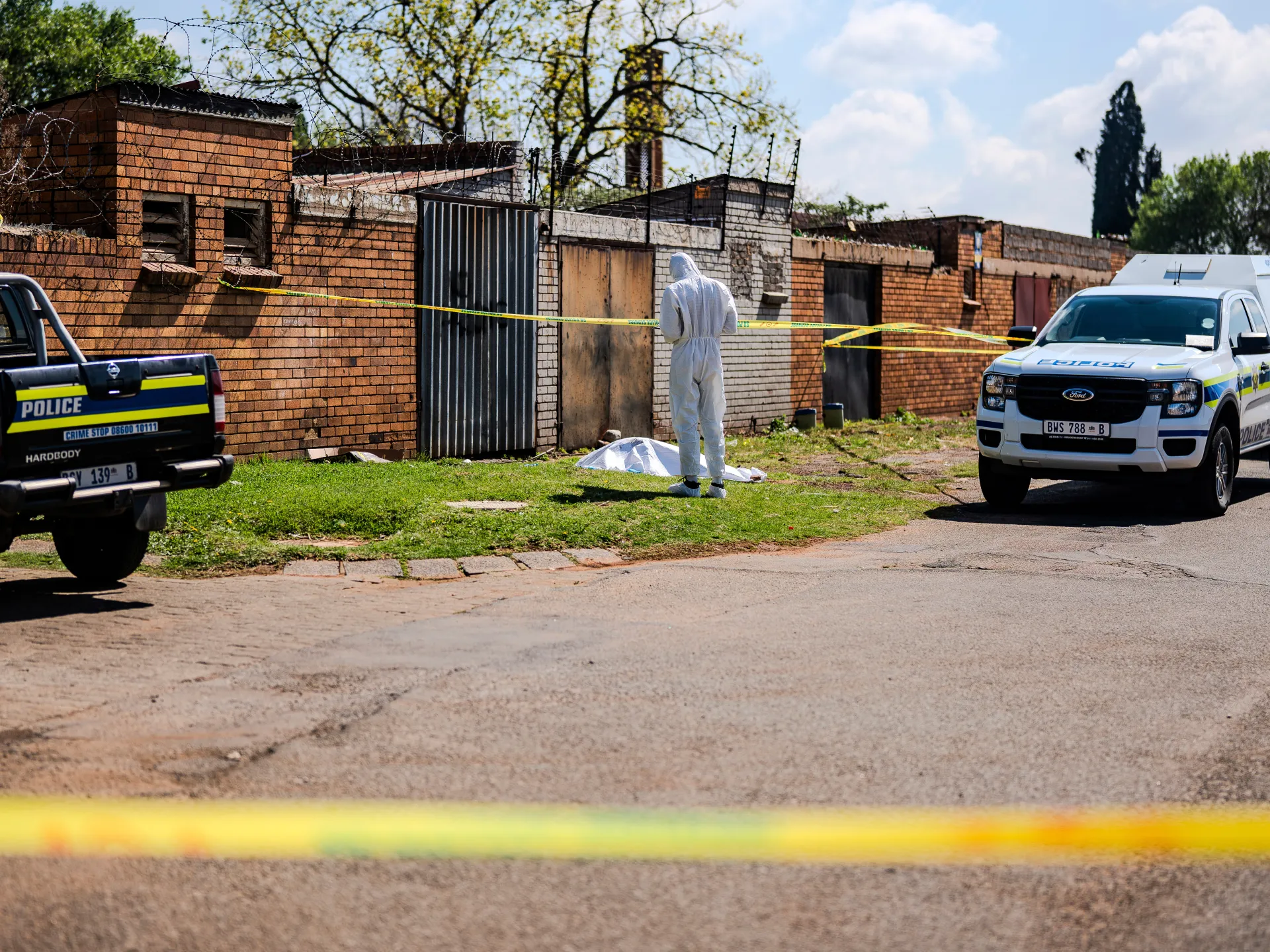
A ninth woman has been found dead in the Ekurhuleni municipality, east of Johannesburg, over a two-month period, prompting renewed scrutiny of the South African government’s institutional response to the country’s femicide crisis. The latest victim, a woman believed to be in her thirties, was discovered on Thursday morning in the Dawn Park residential area of Boksburg.
The South African Police Service (SAPS) is investigating whether the deaths are connected or involve copycat crimes, though no definitive links have been established. SAPS spokesperson Athlenda Mathe stated on 15 September that investigators are examining whether a single perpetrator, a group of men, or multiple parties are responsible. Mathe described the case as complex, noting that it may involve multiple perpetrators and should not be rushed.
The cluster of killings has drawn criticism from advocacy groups and government commissioners who argue that current safety advice places the burden on women rather than perpetrators. Princess Eurika Mogane, a commissioner at the Commission for Gender Equality, described the situation as a "war" where individuals feel hunted. She questioned the material progress made since the government classified gender-based violence and femicide as a national disaster in November 2025.
The National Shelter Movement of South Africa (NSMSA) reported that its helpline and shelters are seeing women arrive with increasingly severe experiences of abuse, including strangulation and coercive control. The organisation criticised safety messaging that urges women to avoid isolated areas, arguing that such advice implies women can prevent violence through personal choices rather than holding perpetrators and the state accountable.
Among the victims was Elizabeth Moselakgomo, a 38-year-old mother who disappeared on 9 September and was found dead on 12 September. Her death highlighted the ongoing challenges women face, with specialist paediatrician Nokukhanya Khanyile-Lenake noting that even when women take maximum precautions, the risk remains high.
Parliament states that South Africa’s femicide rate is five times the global average. While President Cyril Ramaphosa has pledged that perpetrators will face justice and authorities have reported increased police patrols in high-risk areas, the NSMSA points to inadequate shelter funding, rising demand, and delays in police response times as persistent structural issues. The South African government had not responded to requests for comment on its measures by the time of publication.