Russia’s parliamentary vote: A foregone conclusion amid opposition disqualifications
With only Kremlin-loyal parties registered, Russia’s first post-invasion election is seen as a procedural formality designed to reinforce Vladimir Putin’s governance.
Russia has commenced its first parliamentary elections since the invasion of Ukraine in February 2022, with early voting currently underway. The political landscape suggests the outcome is largely predetermined, as only parties loyal to the Kremlin have been registered to contest the vote. Consequently, Vladimir Putin’s party is widely expected to secure a decisive victory, a result that observers say will serve to reinforce the current administration’s hold on power.
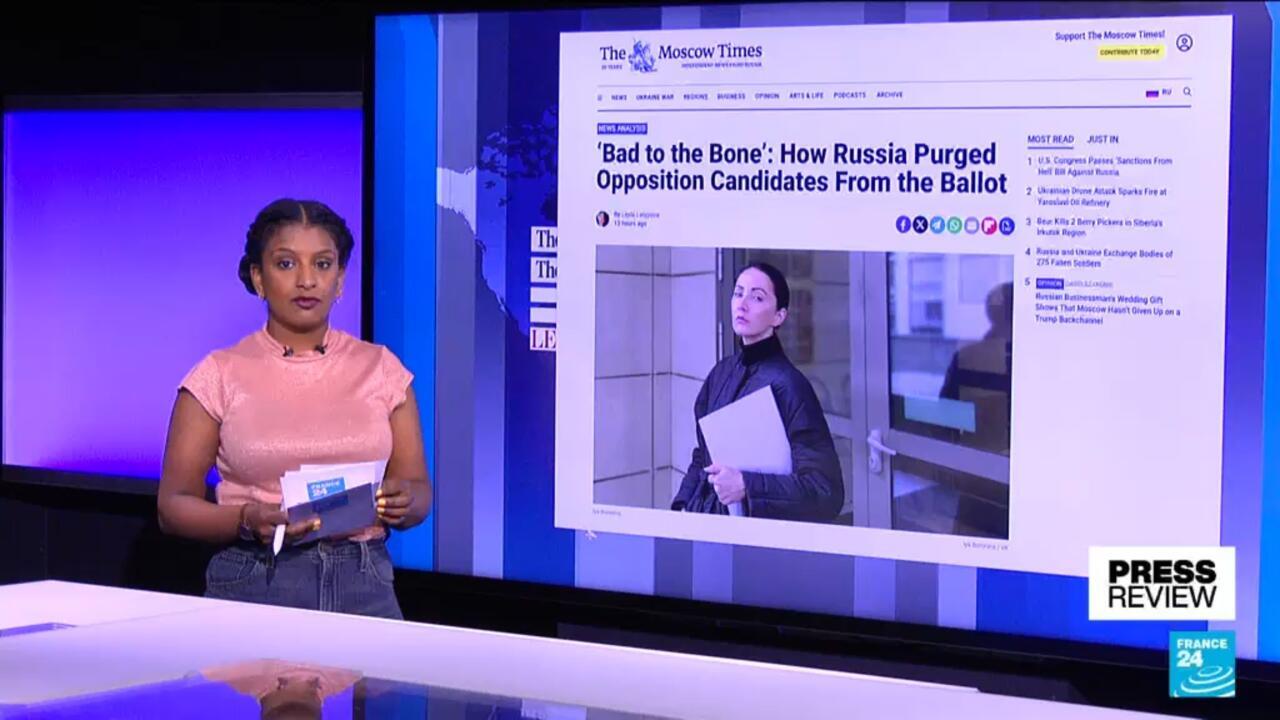
The disqualification of opposition candidates has been a defining feature of the campaign, with regional officials reportedly using the process to demonstrate their allegiance to Moscow. Iya Boronina, a politician from the republic of Udmurtia, was barred from running due to a song featured in her campaign video. Other candidates faced similar fates for posting photographs or making references to the late Kremlin critic Alexei Navalny. These varied grounds for exclusion have led to a significant reduction in the number of independent voices on the ballot.
Media analysis has characterised the proceedings as a “veneer of democracy,” a term used to describe how multiparty elections function within Putin’s governance structure. The academic website The Conversation notes that even the inclusion of so-called “opposition parties” has been carefully curated, with groups packaged as opposition despite their fundamental loyalty to the Kremlin. This structural arrangement aims to provide the appearance of choice without introducing genuine political competition.
The campaign period has been marked by strict restrictions on public discourse, particularly regarding the ongoing conflict in Ukraine. Discussion of the war is largely illegal during the election period, limiting the scope of debate available to voters. Televised debates were organised to create an illusion of democratic engagement, though reports indicate that some sessions took place in the absence of any debaters, further highlighting the performative nature of the process.
Despite the controlled environment, public sentiment remains mixed. The Swiss publication Le Temps reports that 57 per cent of Russians believe the political state of the country is very tense. This perception of instability contrasts with the orderly, if limited, nature of the electoral process, suggesting that the vote may not fully alleviate underlying domestic pressures.
The Moscow Times and Novaya Gazeta have provided detailed accounts of the disqualification process, describing the election as a “listless affair.” Their reporting underscores the extent to which local authorities have filtered the candidate pool to ensure a manageable field for the ruling party. As the vote proceeds, the focus remains on how these institutional mechanisms will be used to consolidate political authority in the post-invasion era.