Kratom researcher’s undisclosed industry ties questioned in ProPublica report
University of Florida professor Christopher McCurdy has accepted travel and funding from the American Kratom Association without listing the links in his conflict of interest statements, a new investigation has found.
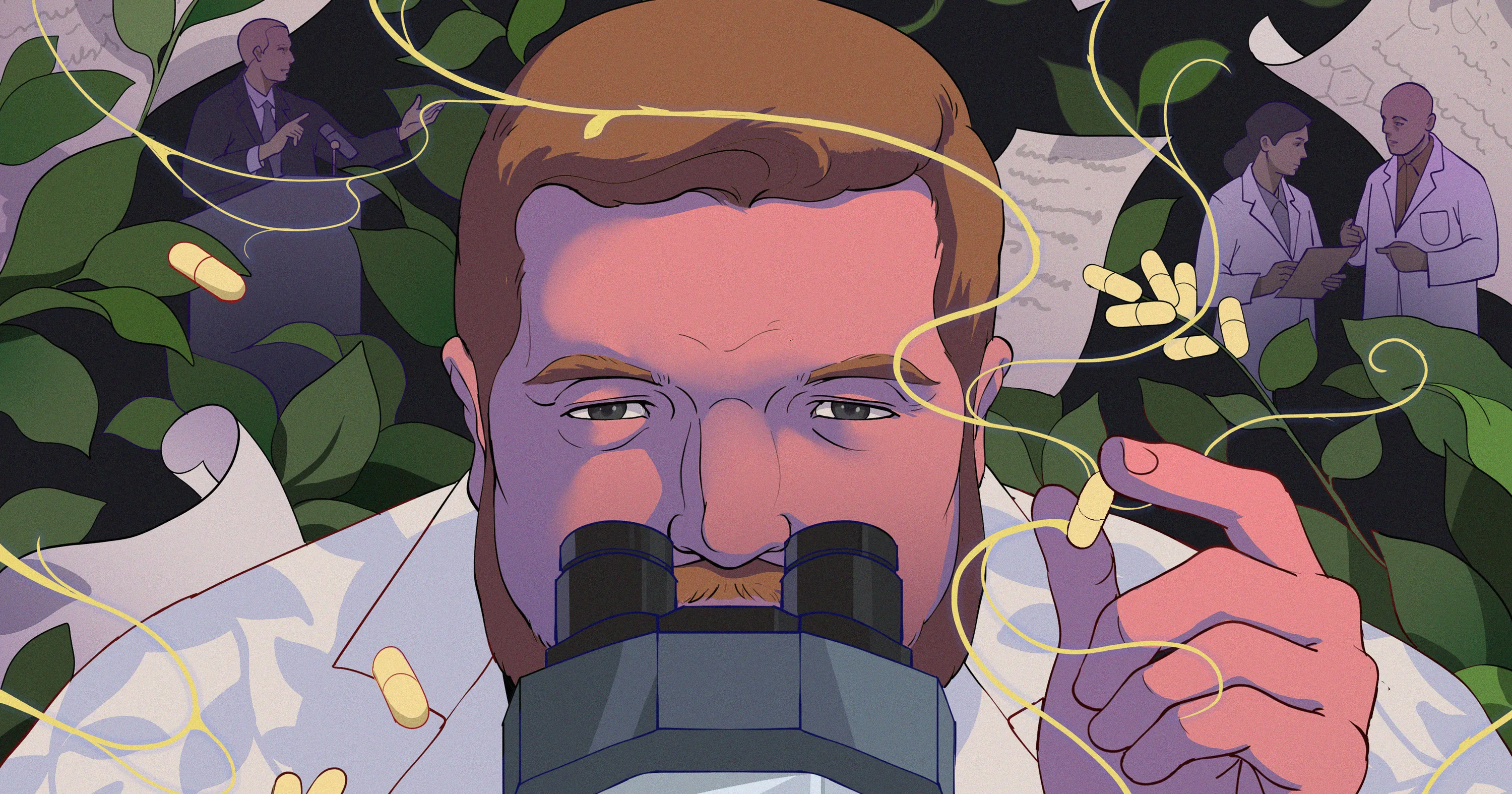
A ProPublica investigation has revealed that University of Florida professor Christopher McCurdy, a prominent scientific advocate for keeping kratom legal, failed to disclose longstanding financial ties to the American Kratom Association (AKA). The report details how McCurdy accepted travel reimbursements, donations to his university’s foundation, and funding for an annual research symposium from the AKA, none of which were listed in his conflict of interest statements or published papers.
The financial links include an $8,700 first-class ticket to Indonesia in 2024, which was later cancelled but for which McCurdy retained the credit, and hotel expenses for a 2025 trip to Vienna. The AKA, through its nonprofit arm the Center for Plant Science and Health, has donated more than $100,000 to the University of Florida’s foundation. McCurdy has estimated that his research has been supported by approximately $1 million from industry donations to the university foundation.
McCurdy has briefed lawmakers in states including Arkansas, Rhode Island, and Georgia, as well as the United Nations Commission on Narcotic Drugs, on the safety of kratom. During these briefings, he has often characterised kratom dependence as similar to caffeine dependence, despite his own research linking the substance to dependency and death. Critics argue that the lack of disclosure obscures the influence of industry lobbyists, with the AKA spending approximately $2.5 million annually on lobbying efforts.
In response to the findings, McCurdy told ProPublica that his views are based on more than two decades of scientific research and are not dictated by the AKA. He argued that reimbursed travel expenses do not influence the substance of his presentations or his scientific conclusions. A university spokesperson stated that a review of McCurdy’s disclosures found no indication of non-compliance, although the total value of the travel reimbursed by the AKA remains unclear.
Jennifer Brandt, a Virginia pharmacist who advocates for a total ban on kratom sales, was the first to file records requests with the University of Florida regarding McCurdy’s correspondence. She subsequently asked a medical journal to append corrections to his papers. One publisher required a correction disclosing his work as an expert witness, though it did not mention the lobbying ties.
The investigation highlights a broader debate over the transparency of scientific research funded by industry interests. While McCurdy supports better manufacturing standards and age restrictions, opponents contend that his role as a "neutral arbiter" is complicated by the financial support he receives from the very industry he is helping to regulate.