Kerr County residents face second flood as Texas mitigation rules remain unchanged
Nearly a year after a deadly deluge claimed at least 119 lives, homes in Kerr County were inundated again in July 2026. Reporting suggests that without stricter state building regulations, residents continue to rebuild in high-risk zones.
Residents of Kerr County, Texas, endured a second major flood in July 2026, almost exactly one year after a deadly deluge in 2025 that killed at least 119 people. The new flooding caused significant damage to homes that had been repaired or rebuilt following the previous disaster, with one person dying in the recent event.
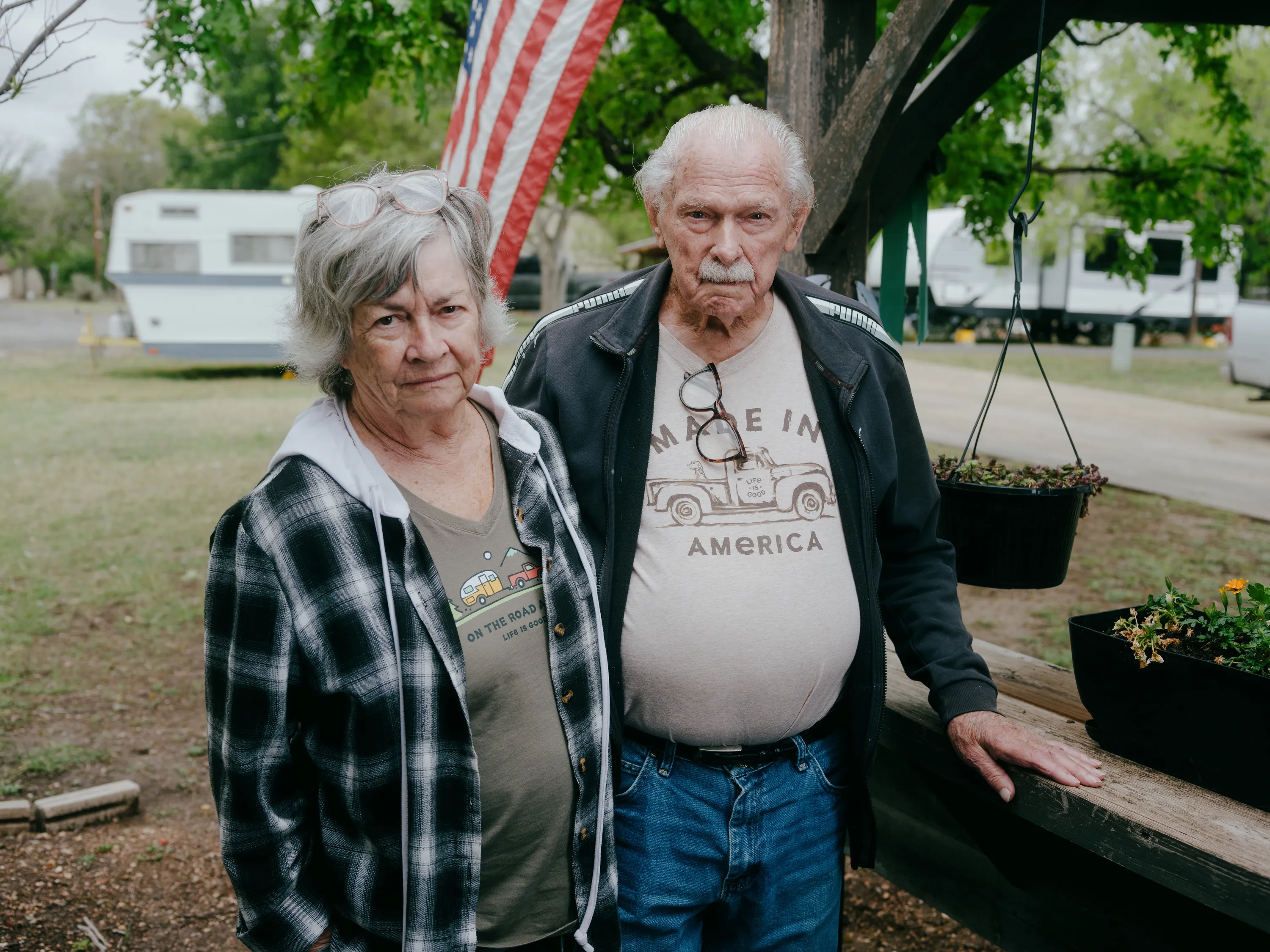
Joan Connor, 82, and her husband, 99, are among those planning to repair their home again despite the repeated flooding. The couple had moved back into their refurbished house by Christmas after the 2025 disaster, which destroyed most of their possessions. They now face the prospect of further repairs, a decision driven by deep local ties and financial considerations.
Laura Cane, 65, suffered more damage in 2026 than in 2025 but also plans to fix her vacation rental again for financial reasons. Two Kerr County RV parks that flooded in 2025 flooded again in 2026 and had not reopened at the time of reporting.
According to ProPublica, Texas lawmakers have repeatedly failed to implement stricter building regulations or move structures out of flood-prone areas over nearly 60 years. The state is behind more than half of other US states in passing stringent elevation rules for buildings at risk of flooding, despite having more buildings in flood-prone places than any other state except Florida.
While legislation was recently passed to move youth camp cabins away from riverside locations following the death of 27 people at Camp Mystic in 2025, broader rules for homes and RV parks remain largely unchanged. Federal, state, and county rules currently allow properties to be rebuilt in flood-prone areas if they are elevated to the height of a 100-year flood.
It remains unclear if state rules regarding flood mitigation will change in the near future. Legislators have not yet delved into these issues during interim hearings, instead focusing on the personal responsibility of Camp Mystic owners.