Kenya’s Gen Z marks two years of unresolved protest demands
Two years after the Finance Bill 2024 demonstrations, activists highlight ongoing governance failures and police brutality, signalling intent to influence the 2027 general election.
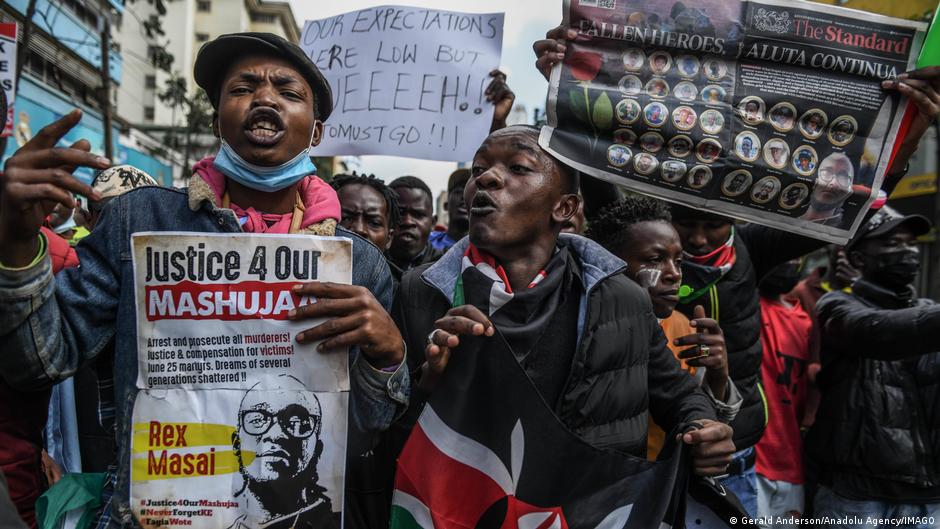
Kenyan activists are marking the second anniversary of the June 2024 anti-Finance Bill protests, emphasising that the core issues driving the demonstrations remain largely unresolved. Two years on, the decentralized youth movement continues to mobilise both digitally and offline, demanding accountability for police brutality, economic reforms, and justice for the at least 60 people recorded dead by the Kenya National Commission on Human Rights (KNCHR).
The protests, which began as a spontaneous reaction to proposed tax increases, evolved into a broader critique of governance and the widening gap between leaders and citizens. Participants describe June 25 as a symbol of resistance against what they perceive as a loss of political legitimacy by the current administration. Despite the passage of time, young Kenyans report that youth unemployment, the rising cost of living, and concerns over state accountability continue to resonate across the generation that first mobilised online.
Unlike previous protest waves in Kenya that were often anchored by established political parties or civil society actors, the Finance Bill demonstrations were markedly leaderless. Organising unfolded through social media platforms and loosely connected local networks, a strategy that Beatrice Waithera, national leader of the Red Vest Movement, described as a response to increasing scrutiny of public gatherings. This decentralised structure proved difficult for authorities to suppress or co-opt, with activists rejecting narratives that linked the movement to opposition figures such as Boniface Mwangi.
While President William Ruto has pledged compensation to the families of those killed, he has not issued a national apology, a stance that activists argue is insufficient. Waithera and other advocates have called for a broader national reckoning, comparing the need for healing to post-conflict processes. Families of victims continue to pursue justice through the courts, with Waithera describing the judiciary and executive as captured institutions that remain apathetic to their grievances.
The movement is now signalling its intent to influence the upcoming 2027 general election, with activists stating they will take their grievances to the ballot. Digital activism remains a crucial component of the campaign, with participants changing profile pictures to honour victims such as Rex Masai, the first fatality of the June 2024 protests. As the movement adapts to continued intimidation and arrests, it maintains that the energy of 2024 has fundamentally reshaped how young Kenyans engage with political authority.